

Table of Contents
Keeping learners engaged isn’t just about great content — it’s about how you present it. And in a world full of distractions, educational infographic videos have proven to be one of the most effective tools for capturing attention and making learning stick.
These short, animated videos combine data, visuals, narration, and storytelling to transform complex topics into digestible and memorable content. Whether you’re a teacher, course creator, or training professional, infographic videos can change the way your audience absorbs information.
Let’s explore how — with real learning examples, subject-specific use cases, and practical tips.
What Are Educational Infographic Videos?
Educational infographic videos are animated videos that visually represent information, statistics, or complex ideas through graphics, motion, and voiceover. Think of them as infographics brought to life.
They’re commonly created by a 2D animated explainer video company, but even individuals or small teams can build them using platforms like Canva, Animaker, or Vyond.
These videos are powerful because they communicate core ideas clearly, quickly, and visually — and that’s exactly what modern learners need.
Why Infographic Videos Help People Learn and Remember More
If you’ve ever found yourself remembering a diagram or animation more clearly than a paragraph of text, you’re not alone — and there’s science behind it.
What the Research Says:
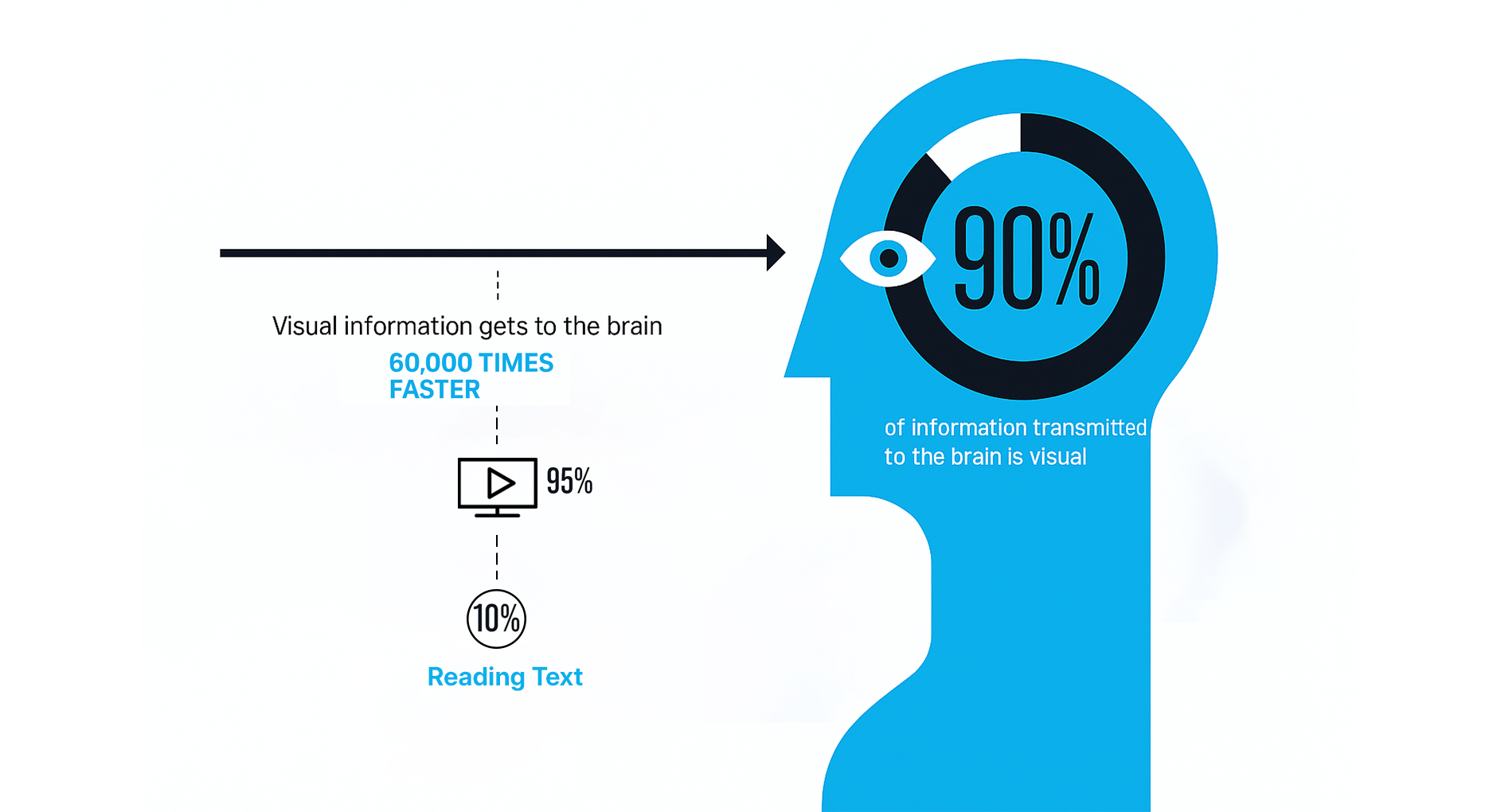
- 90% of the information processed by the brain is visual
Our brains are wired for visuals. From prehistoric cave drawings to modern Instagram stories, humans have always learned best through images. - Visuals are processed 60,000 times faster than text
This lightning-fast processing means learners can absorb more information in less time, especially when visuals are paired with narration and animation. - Viewers retain 95% of a message when it’s delivered through video — compared to just 10% when reading text
This dramatic difference in retention makes infographic videos a powerful tool for long-term memory and deep understanding.
Why Infographic Videos Stand Out:
Infographic videos combine data, visuals, and narration into a compelling, easy-to-follow format. But what makes them truly effective for education?
- They simplify complex topics
Whether it’s biotechnology, the stock market, or how a black hole works, animated infographics can visualize abstract or technical content that text alone struggles to explain. - They turn passive watching into active learning
By engaging both the visual and auditory channels of the brain, infographic videos tap into dual coding theory — boosting recall through multiple senses. - They chunk information for better cognitive load management
Instead of overwhelming learners with long lectures or dense slides, infographics break down information into digestible visual bits, making them perfect for microlearning. - They cater to different learning styles
Whether someone learns best by seeing, hearing, or reading, infographic videos combine all three — making them inclusive, accessible, and adaptable across age groups. - They’re designed for today’s digital learners
Students today are native to video, mobile, and fast content formats. Infographic videos match the short attention spans and visual-first preferences of Gen Z and beyond.
Real-World Learning Example: Science Education
Let’s say you’re teaching photosynthesis in a middle school biology class. Instead of using a diagram in a textbook, you use an infographic video that:
Shows the process step-by-step
Animates the exchange of carbon dioxide and oxygen
Labels parts of the plant with voiceover
Ends with a quiz question
The result? Students grasp the concept faster, remember it better, and stay more engaged during the lesson.
How Educational Infographic Videos Improve Viewer Retention
Let’s break down the reasons why they work so well:
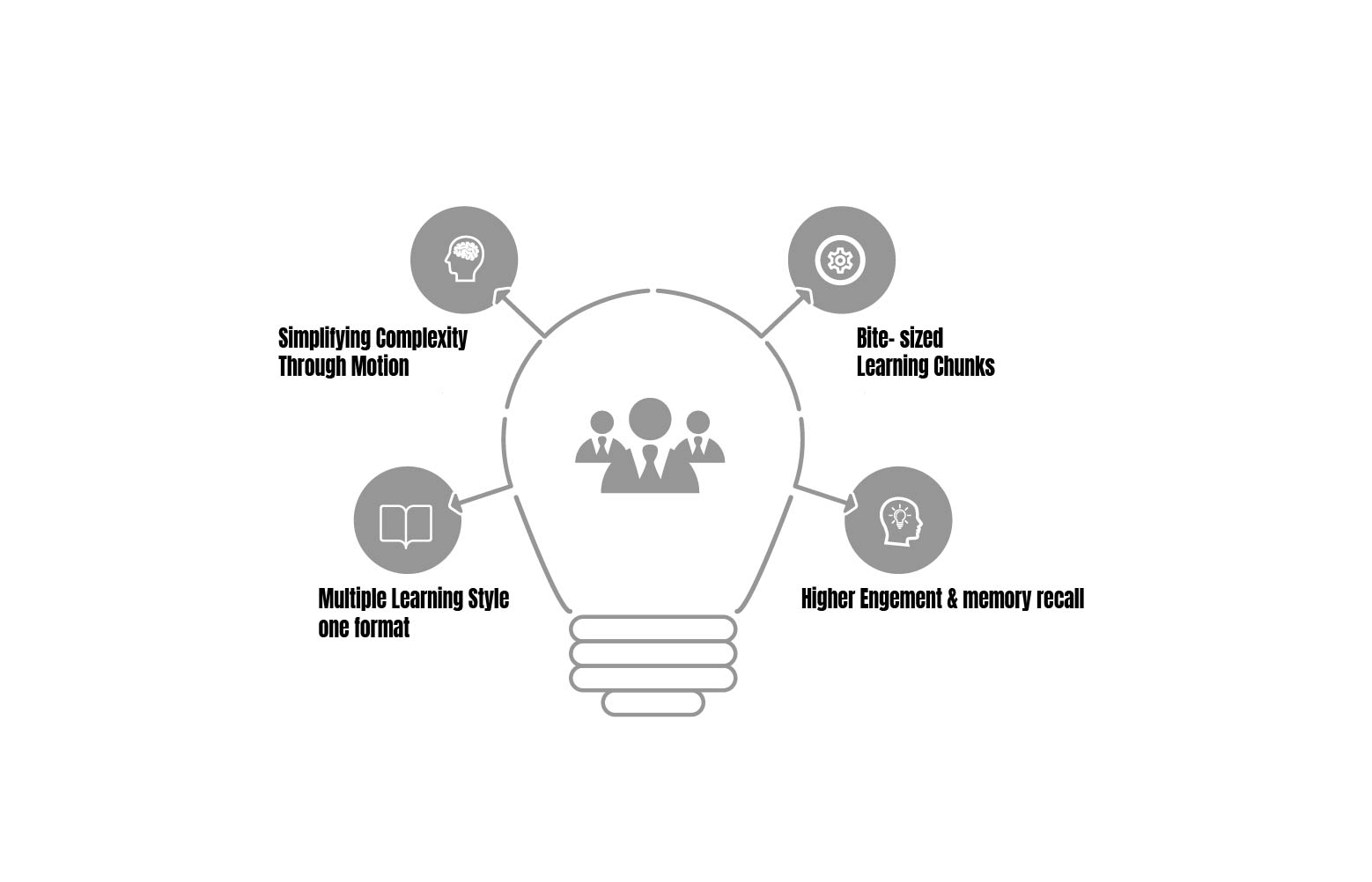
1. Bite-Sized Learning Chunks
Video naturally presents information in small, manageable parts. This reduces cognitive overload — especially when tackling heavy subjects like chemistry equations or financial analysis.
2. Simplifying Complexity Through Motion
Complicated ideas become easy to follow when paired with movement. Want to explain how the stock market works? An infographic video can walk viewers through it visually, step by step.
3. Multiple Learning Styles, One Format
Whether your learner is visual, auditory, or kinesthetic, infographic videos tick every box. They use animation, narration, text, and pacing to suit everyone’s style.
4. Higher Engagement and Memory Recall
With music, motion, and meaningful data, these videos create an immersive experience. That’s why viewers are more likely to remember what they watched — especially when compared to plain reading.
Subject-Specific Use Cases for Infographic Videos
Science and Biology
Visualize the water cycle, cell division, human anatomy, or global warming with animation. Students often struggle to remember processes — infographic videos make them come alive.
Example: “The Digestive System Explained in 90 Seconds”
A short video using motion graphics to show how food travels through the body — ideal for 6th–10th grade biology.
History and Social Studies
Timelines, revolutions, and historical events often confuse learners. Use infographic videos to animate historical timelines, show the causes and effects of wars, or compare political systems.
Example: “Causes of World War I — Animated Infographic”
Arrows, flags, and maps animate the buildup of tension in Europe before the war.
Math and Statistics
Numbers don’t have to be boring. Infographic videos can explain algebra, percentages, or even statistics using real-life examples and visual breakdowns.
Example: “Understanding Compound Interest”
A video showing how money grows over time using colorful graphs and animated savings jars.
Business and Economics
Use videos to explain supply chain models, marketing funnels, business ethics, or startup ecosystems. For B-schools or SaaS explainer videos, this is a goldmine.
Example: “How Cryptocurrency Works”
Data, charts, and flow diagrams make a complex financial topic digestible for beginners.
Coding and Technology
Technical training doesn’t have to be dull. Infographic videos can break down how algorithms work, what an API does, or basic cybersecurity concepts.
Example: “How the Internet Works — Simplified with Animation”
Perfect for tech bootcamps, coding schools, or digital literacy campaigns.
Videos win across the board — especially when you want high retention and mobile-first learning.
Infographic Videos Are Great for Content Marketing, Too
Let’s not forget: education and content marketing often go hand in hand. Whether you’re an edtech startup, a SaaS product, or an explainer video company, educational content can be one of your most powerful marketing tools — and infographic videos sit right at the center of that strategy.
Why Marketers Love Infographic Videos:
If you’re a custom explainer video creator, edtech founder, course creator, or B2B brand, using educational infographic videos can help you:
- Drive more traffic to your website
Visual content is 40x more likely to be shared. An engaging infographic video embedded in your blog or landing page is not only SEO-friendly but also drives organic shares across platforms like YouTube, LinkedIn, and even Instagram Reels. - Increase time on site
The longer a visitor stays, the more likely they are to convert. A 60–90 second animated video explaining a concept or product feature can dramatically reduce bounce rates and increase dwell time. - Improve conversions
Whether your goal is signups, course enrollments, lead captures, or free trials, infographic videos simplify your pitch and clarify your value proposition. When people understand what you do, they’re more likely to act. - Create quality backlinks
Educational videos are highly linkable. Blogs, universities, and online publications love to embed visual explainers that add value to their own content — earning you authority-building backlinks naturally. - Stand out from competitors
Let’s face it: most companies still rely on static graphics or dense blog articles. An animated infographic video instantly grabs attention, sets you apart, and builds trust in your brand.
Why Educational Infographics Are a B2B & EdTech Goldmine
Many of the best explainer video companies have shifted focus to educational and B2B content — and for good reason:
B2B buyers want to be educated, not sold to. A well-made infographic video that explains a process, workflow, or benefit resonates more than a hard pitch.
EdTech platforms use animated explainers to improve learning experiences and market complex tools like LMSs, AI tutors, or course bundles.
SaaS companies use these videos to showcase use cases and teach new users how to get value from the product — boosting retention and reducing churn.
Real-World Example:
A company like Canva regularly uses animated infographic-style videos to teach design tips and promote new features — blending education and product marketing seamlessly. Similarly, platforms like Coursera use infographic videos not just for learning but for onboarding, email nurturing, and content marketing campaigns.
Tips to Make Educational Infographic Videos That Actually Work
You don’t need a Hollywood budget to create something impactful. Here’s how to do it right:
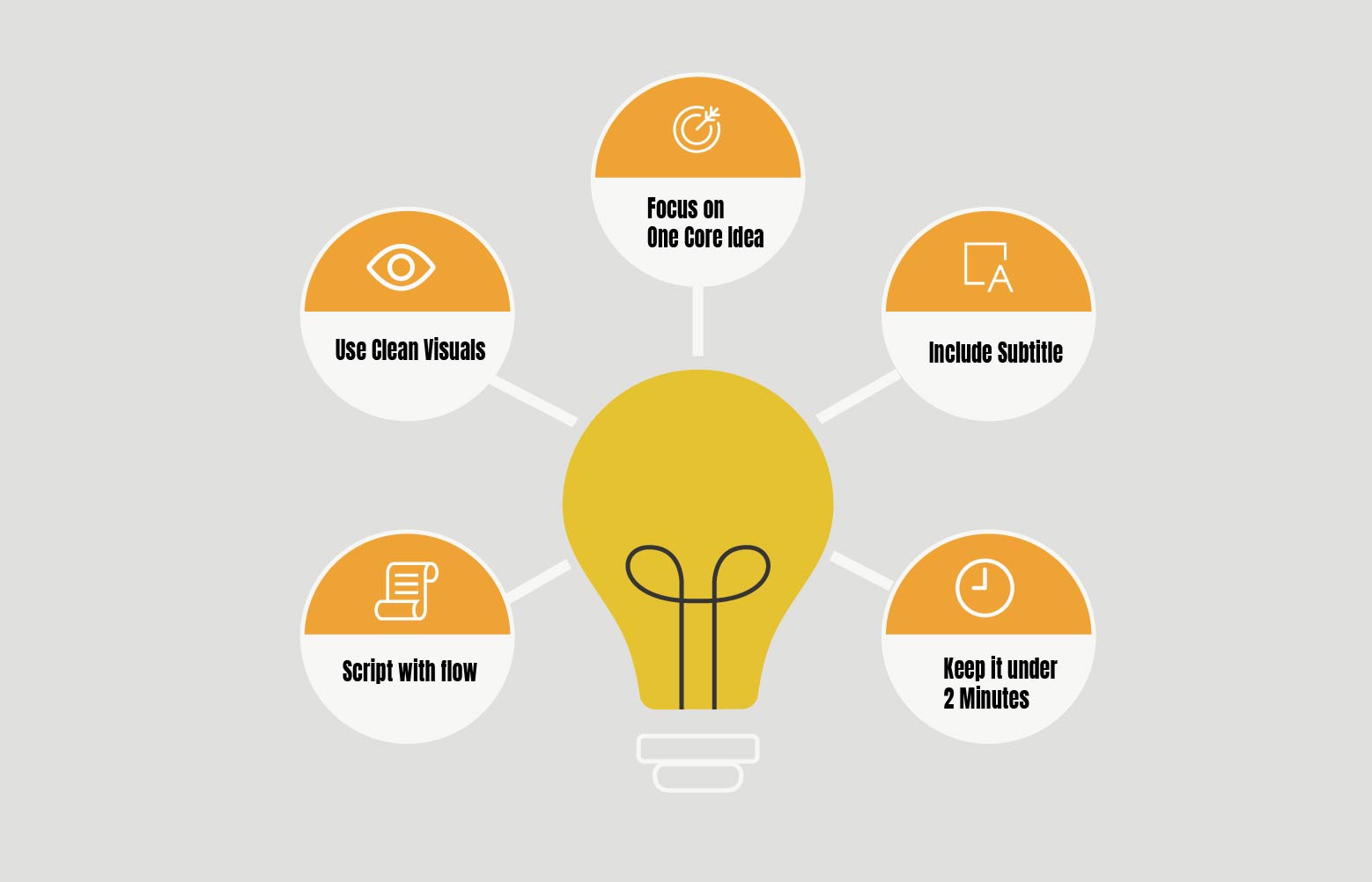
Focus on One Core Idea
Don’t overload your viewer. A good video should tackle one topic only, like “How Blood Circulates in the Body” or “The Pythagorean Theorem Explained.”
Keep It Under 2 Minutes
Shorter videos = higher retention. Aim for 60–90 seconds for best results.
Use a Script with Flow
Even data needs a story. Start with a question, walk through the answer, and end with a quick recap.
Use Clean Visuals
Icons, flat graphics, and smooth transitions make your video look professional and easier to follow.
Include Subtitles
Subtitles make your content more accessible and help with SEO — especially on platforms like YouTube.
Tools to Create Your Own Infographic Videos
Want to create your own without hiring a studio? Here are some tools:
Vyond – Popular with educators and companies
Canva Pro (Video) – Drag-and-drop, beginner-friendly
Visme – Great for data-heavy storytelling
Powtoon – Light, fun animations for kids and teens
Animaker – For simple animated infographic videos
Adobe After Effects – High-end professional option
You can also work with a custom explainer video team if you want a polished, branded video with voiceovers, music, and strategy baked in.
Final Thoughts: Make Your Message Memorable
If you want to teach better, market smarter, or simply share ideas in a way that people will remember — educational infographic videos are your best bet.
They blend design, storytelling, and strategy to create a learning experience that sticks. From simplifying school lessons to building trust in your SaaS product, they’re one of the most powerful formats you can use.
So next time you’re thinking about how to educate or engage — don’t just tell your audience.
Unlock the power of captivating visuals with our seasoned expertise! With 7 years of crafting compelling visual content, we’re ready to elevate your brand’s story. From stunning graphics to mesmerizing animations, we bring your vision to life. Let’s create engaging visuals that resonate with your audience and leave a lasting impression. Partner with us today for an unforgettable visual journey!Â
