

Why Video Repurposing Matters Today
Video is one of the most powerful marketing tools we have today. It builds trust faster than text, explains ideas visually, and keeps people engaged longer. But there’s a side of video marketing that many brands don’t talk about enough—it’s expensive and time-consuming.
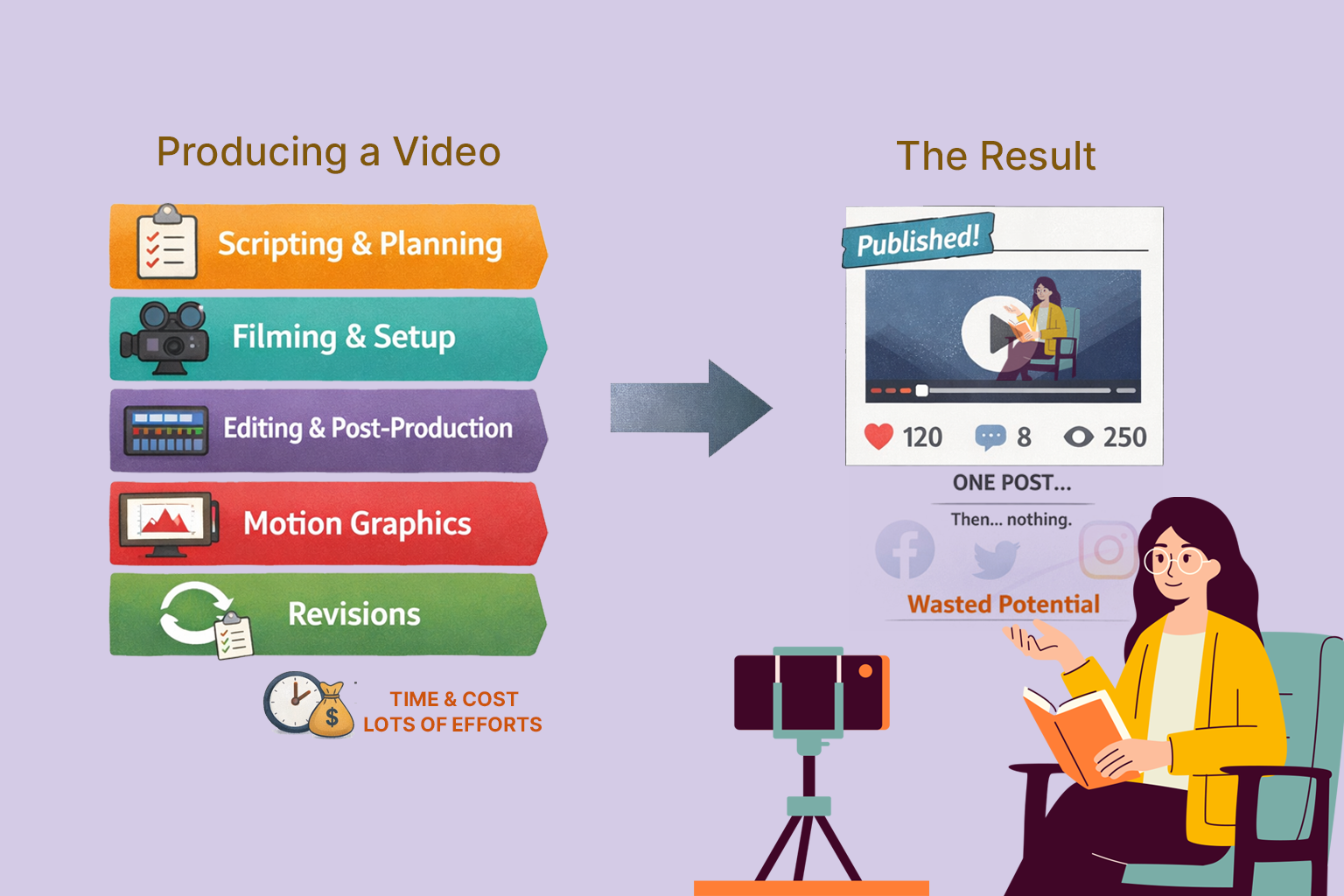
Think about what goes into creating just one video:
- Scripting and planning
- Filming and setup
- Editing and post-production
- Motion graphics or animations
- Multiple rounds of revisions
All of that effort often results in a single video posted once.
That’s a massive waste of potential.
In most cases, the problem isn’t the quality of the video—it’s the strategy behind it. A one-and-done approach kills ROI. Once the post stops getting traction, the content quietly fades away, even though it’s still relevant and valuable.
This is where a smart video repurposing strategy changes the game. Instead of asking, “What should we create next?”, the better question becomes, “How far can we stretch what we’ve already created?”
Repurposing allows the same video to live multiple lives across platforms, formats, and audiences. It ensures your investment keeps working long after the first post, turning video from disposable content into a long-term marketing asset.
Start With a Strong Master Video
Every effective video repurposing strategy begins with a strong master video. This is the foundation of your entire content system. Every clip, quote, visual, blog, or email you create later will come from this one source. If the master video is cluttered or unfocused, repurposing becomes frustrating. If it’s clear and structured, everything else becomes easier.
The ideal master video is usually between one and three minutes long. This length allows you to communicate a complete idea without losing attention. The key is focus. A master video should deliver one clear message, not multiple competing ones. When a video tries to do too much, every future cut becomes weaker and less effective.
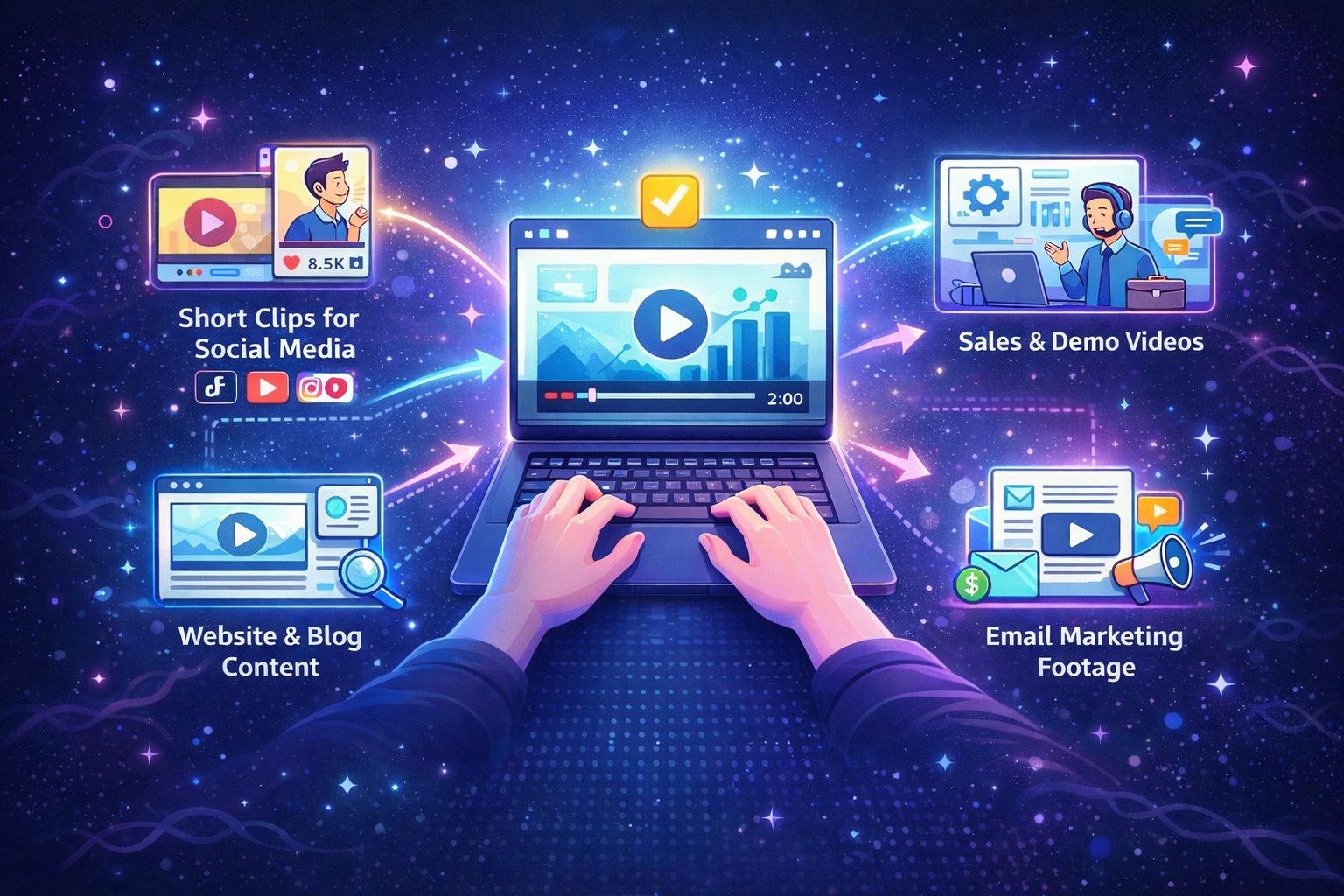
For example, imagine a SaaS brand launching a new feature. Instead of creating separate videos for social media, sales, and their website, they produce one clear two-minute explainer that focuses on the problem, the solution, and the outcome. That single video becomes the backbone of the entire campaign. Short clips are pulled for social media, key moments support website sections, and the same footage is used in sales demos—all without reshooting.
Master videos can take many forms, such as:
- Product explainers
- Brand overview videos
- Customer testimonials
- Event or launch recaps
Many brands partner with an explainer video company at this stage because explainers are naturally structured for reuse. The goal isn’t perfection. It’s clarity. A clear message always travels farther than a flashy one.
Optimize Your Video for Search and Discovery
Before breaking your video into smaller pieces, it’s important to make sure the original can actually be found.
Search engines and platforms don’t understand videos the way humans do. They rely on titles, descriptions, and metadata to decide where and when content appears. If this layer is weak, even the best video struggles to gain traction.

A strong video should clearly communicate:
- What the video is about
- Who it’s for
- Why it matters
For example, a product explainer with a vague title may struggle to surface. But when the title clearly explains the problem being solved, both users and algorithms instantly understand its value. That clarity compounds over time.
Search optimization may feel invisible, but it’s foundational. It ensures your repurposed content continues working long after the first publish.
Extract High-Quality Stills From Your Video
Video frames are an underrated asset.
A single frame from a well-shot video can carry emotion, context, and clarity in ways a stock image never will. Pulling high-quality stills from your footage gives you visuals that feel authentic and consistent with your brand.
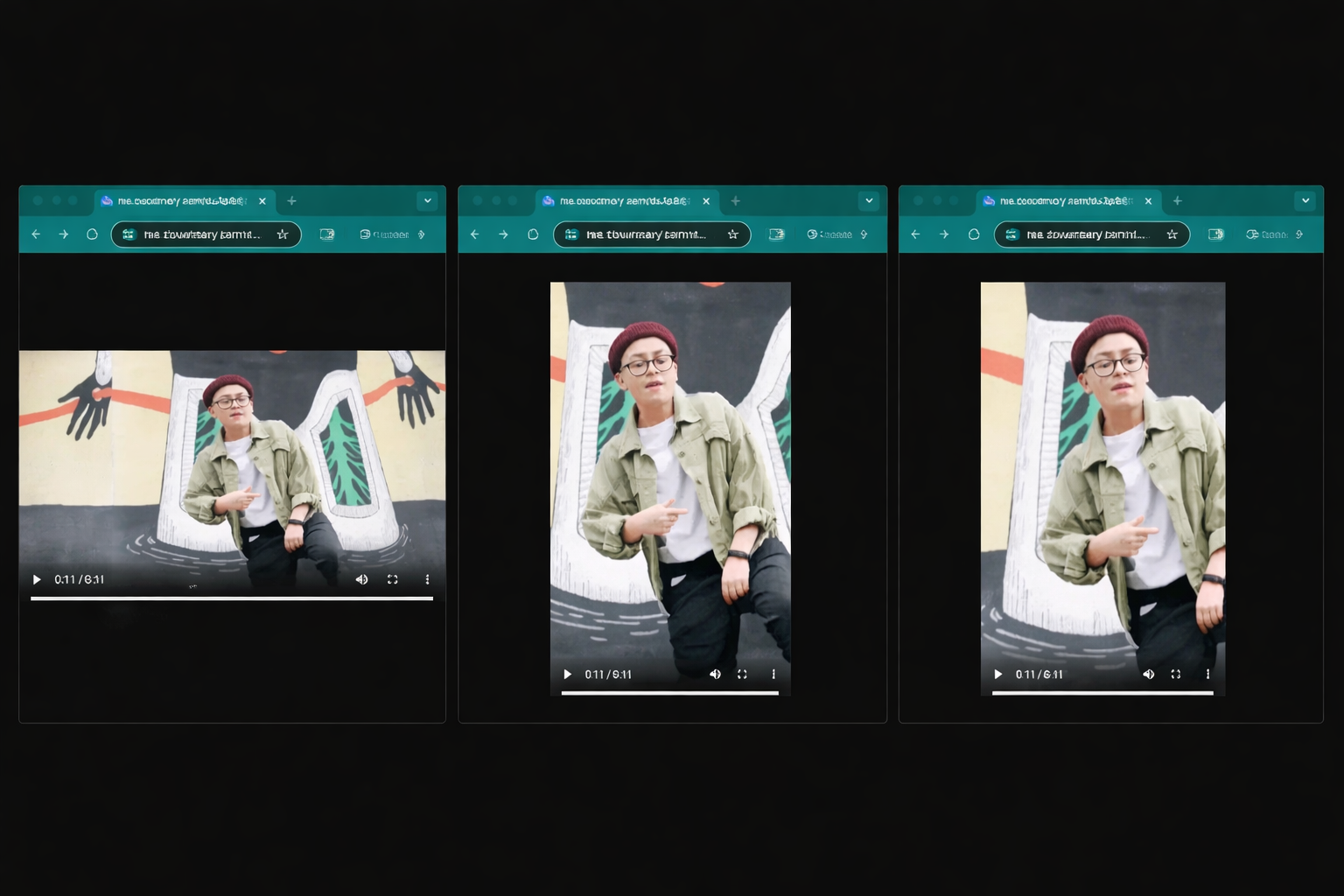
These stills work especially well for:
- Social media posts
- Website sections and banners
- Email headers
- Paid advertising creatives
Repurposing isn’t just about motion. It’s also about visual continuity across every channel where your brand appears.
Turn Key Moments Into Quotes and Text Content
Not everyone wants to watch a video from start to finish. Some people prefer to read, others scroll with sound off, and many decide in just a few seconds whether to engage. Turning key moments from your video into text-based content ensures your message reaches all of them.
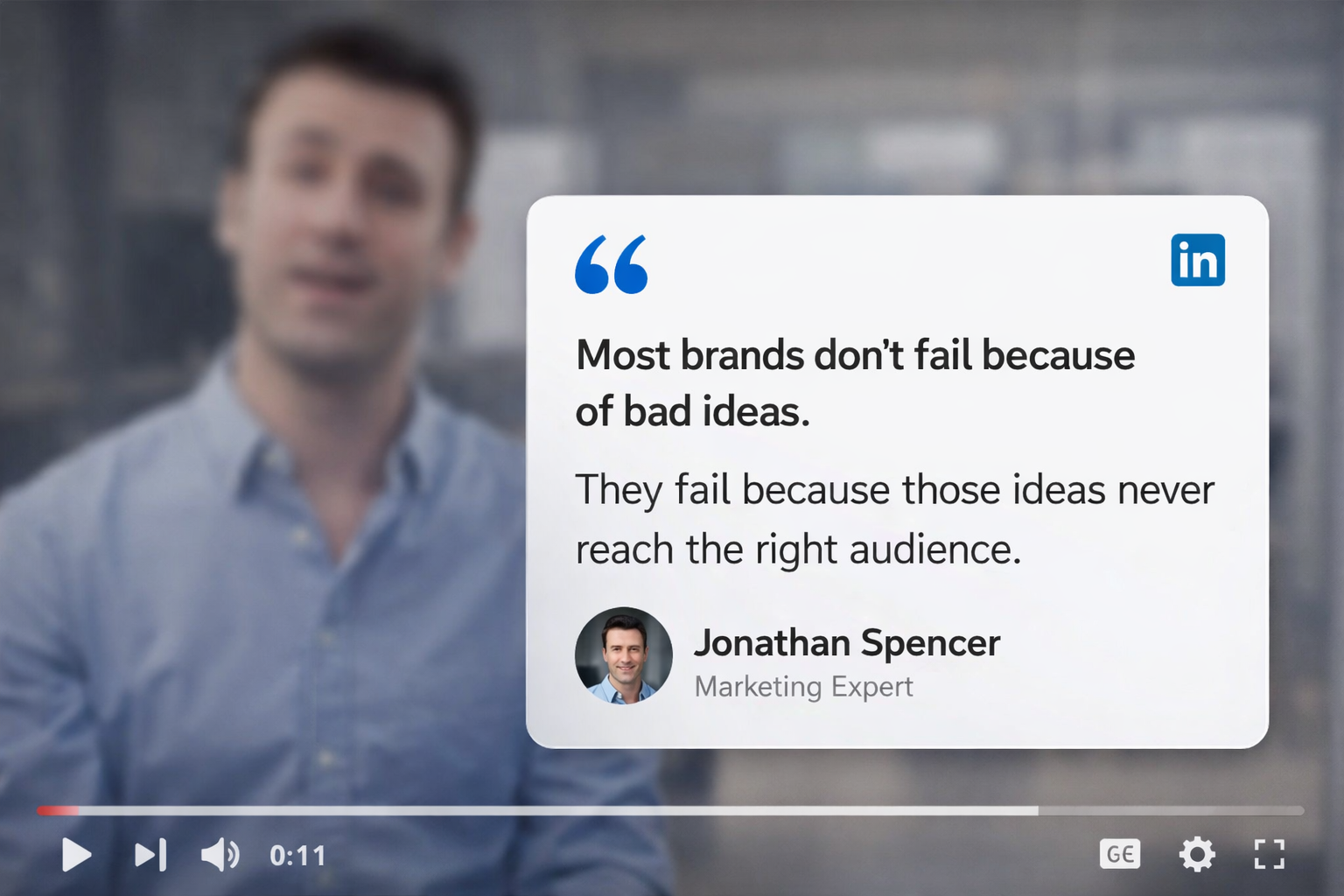
Within almost every video, there are lines that can stand on their own. A single sentence can capture the core idea more effectively than a full clip when presented in the right format. These moments often include:
- A strong statement that clearly expresses value
- A sharp insight that explains why something matters
- A compelling statistic that instantly grabs attention
When these moments are paired with clean visuals or simple text overlays, they become highly shareable. Quote-style content works especially well on platforms like LinkedIn and Twitter, where users often skim rather than watch. It also performs strongly in B2B explainer video content, where clarity and credibility matter more than entertainment.
Text-based repurposing also gives your ideas longevity. A quote or insight can be reused weeks or even months later with a fresh caption or new context. Instead of relying solely on video views, you allow your best ideas to travel further, reach different audience preferences, and reinforce your message without creating anything new.
Share Behind-the-Scenes and Human Moments
Polished videos are important. They show that your brand is professional, reliable, and serious about quality. But behind-the-scenes content does something polished marketing often can’t—it makes your brand feel human.
People are naturally curious about how things are made. They enjoy seeing the process, the effort, and the people behind the final output. Sharing behind-the-scenes moments gives your audience a window into your world. It shows that real humans, not just logos and campaigns, are doing the work.
Behind-the-scenes content can include small but meaningful moments: team members discussing ideas, quick brainstorming sessions, setting up lights and cameras, adjusting scripts, or even laughing at a retake that didn’t go as planned. These moments don’t need to be perfect. In fact, their imperfection is what makes them powerful.
On platforms like Instagram Stories, LinkedIn Stories, and TikTok, authenticity consistently outperforms high production value. Audiences scroll quickly, and what stops them isn’t polish—it’s relatability. Seeing real people working, thinking, and collaborating builds trust in a quiet but lasting way.

Behind-the-scenes content also balances your overall content mix. When viewers see both the final video and the process behind it, your brand feels more transparent and approachable. Over time, this familiarity strengthens connection and makes your marketing feel less like advertising and more like conversation.
Convert Educational Sections Into Micro-Content
If your video teaches something, you’re not just creating content—you’re creating reusable knowledge. Educational videos are especially powerful because they naturally break down into smaller ideas that can stand on their own.
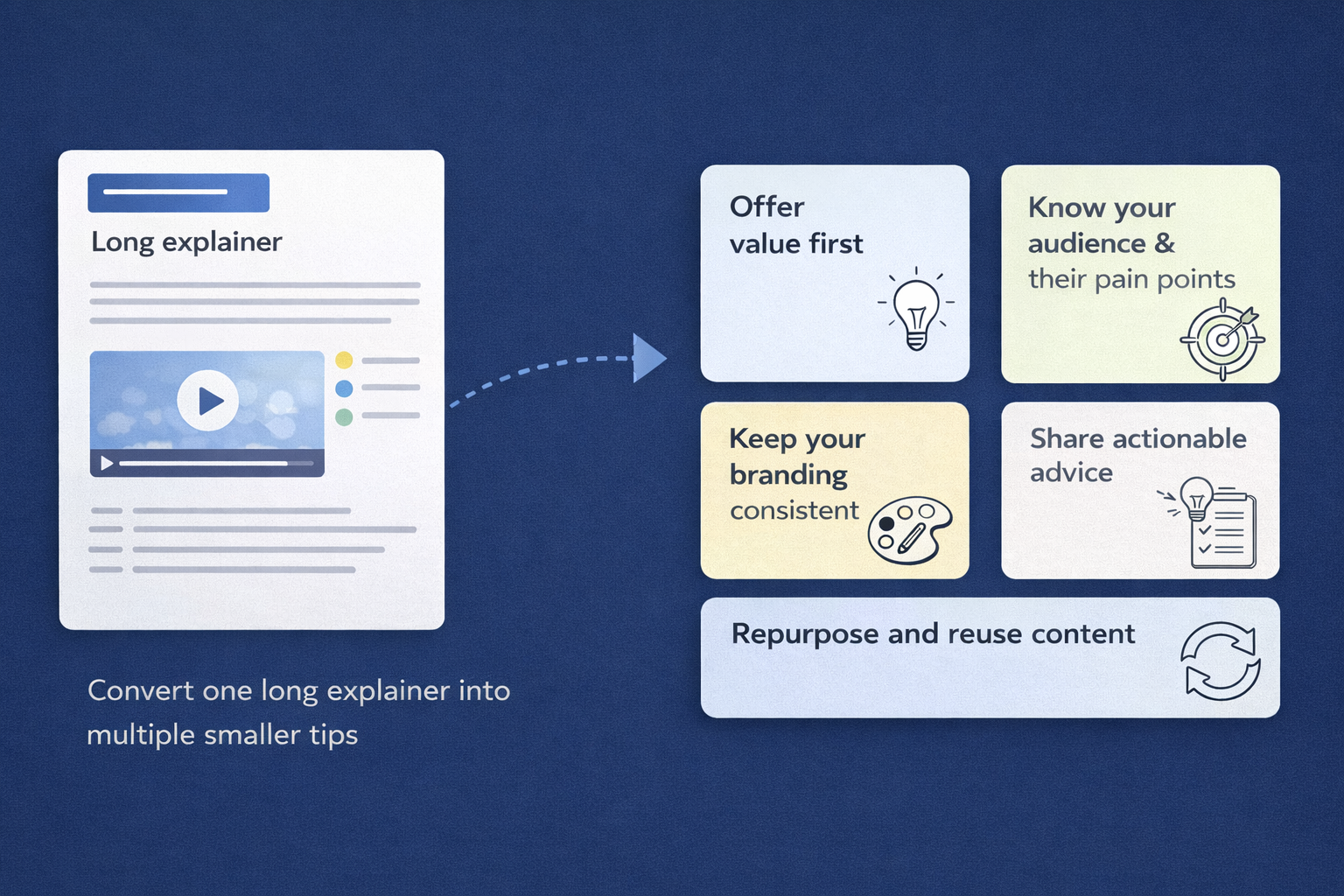
Instead of asking viewers to absorb everything at once, you can separate one explanation into multiple focused pieces. A single concept becomes one tip. A longer walkthrough becomes a short explainer. One important takeaway becomes a bite-sized insight that’s easy to consume and remember. Each piece delivers value without demanding too much attention.
This approach works because people learn better in small doses. Short, focused content feels less intimidating and more useful, especially on fast-moving social platforms. Viewers are more likely to save, share, or revisit content when it answers one clear question at a time.
Over time, these micro-content pieces add up. They create a library of helpful resources that position your brand as knowledgeable and reliable. Instead of being seen as a one-time educator, your brand becomes a consistent source of clarity. That steady value builds authority, earns trust, and keeps your audience coming back—without requiring you to create new videos from scratch.
Repurpose Video Into Blogs, Emails, and Audio
Your video already contains structure, narrative, and key ideas. Repurposing it into other formats doesn’t dilute its value—it extends its reach. Instead of letting one video live in a single place, you allow the same message to show up wherever your audience prefers to consume content.
One of the most effective ways to do this is by turning your video into a blog post. The core talking points or script can be expanded into written content that adds context, examples, and depth. Over time, these blog posts continue to attract organic traffic, making video a long-term SEO asset rather than a short-lived post.
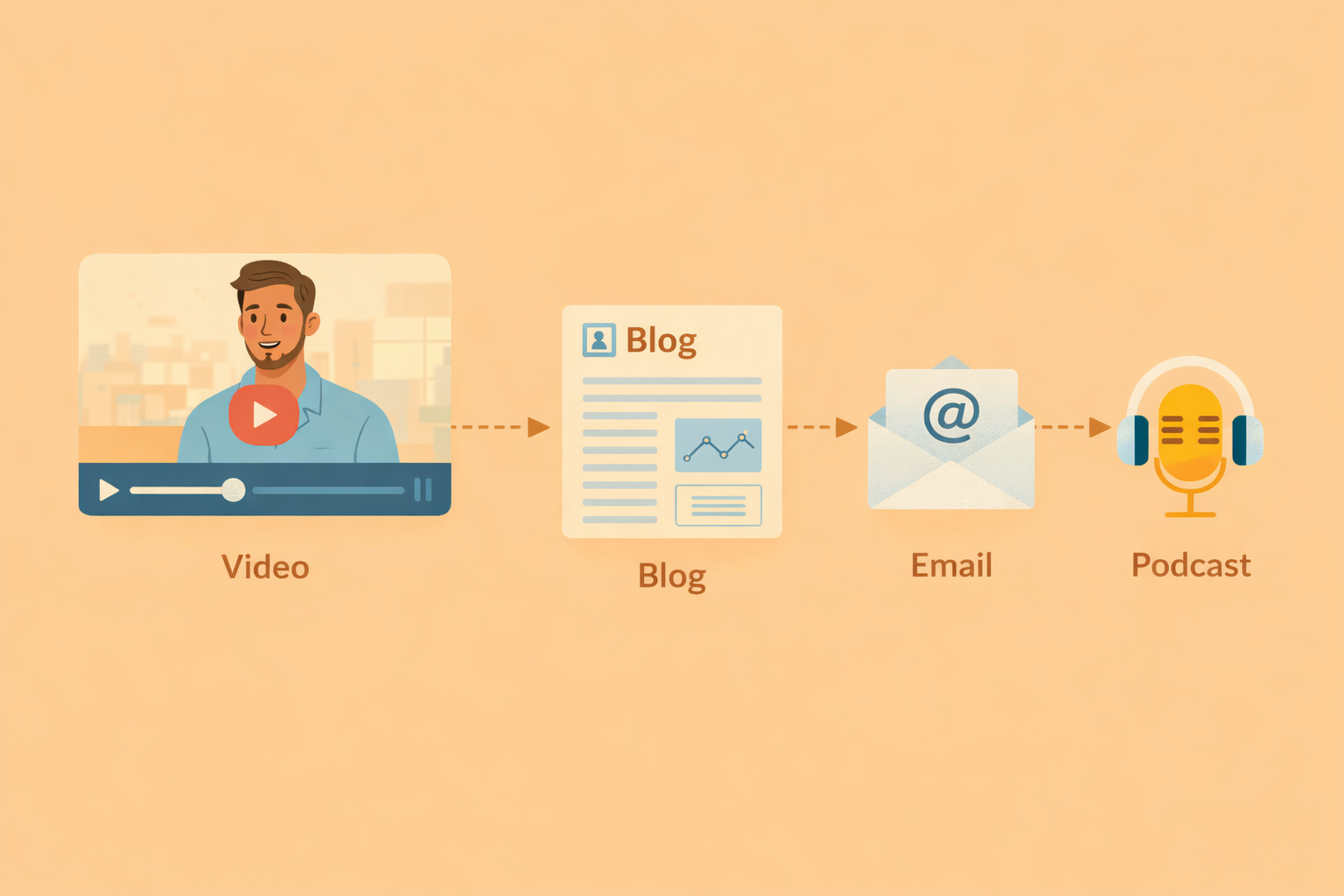
Video also works extremely well in email marketing. Embedding a video thumbnail or short clip inside newsletters and drip campaigns can re-engage subscribers who may have missed the original post. Video adds visual interest and often increases click-through rates, especially when it reinforces a message the audience already recognizes.
This repurposing often includes:
- Blog posts that deliver long-term SEO value
- Email campaigns that reintroduce and reinforce the message
- Audio versions for people who prefer listening, such as podcasts
When one idea moves across formats, it meets audiences where they already are. That’s efficient, sustainable content marketing.