
Infographics on Pinterest

Table of Contents

Pinterest has quietly become one of the most powerful discovery platforms on the internet. While most people think of social media as a place where follower counts determine visibility, Pinterest operates very differently. Here, content often matters more than popularity. That means even a brand-new account can gain thousands of views if the content is relevant, useful, and visually engaging.

One content format in particular stands out on the platform: infographics. When used strategically, Infographics on Pinterest can help creators, marketers, and businesses get discovered organicallyeven if they have zero followers.

In this guide, we’ll explore how infographics work on Pinterest, why they’re so effective for discovery, and how you can use them to drive visibility, engagement, and even website traffic.

Why Infographics on Pinterest Are Perfect for Discovery

Pinterest functions very differently from traditional social media platforms. While networks like Instagram or Twitter rely heavily on followers and social connections to distribute content, Pinterest focuses on discovery and search behavior. Users visit the platform to explore ideas, learn new things, and find solutions to specific problems. Because of this, content that clearly delivers value and visual information tends to perform much better.
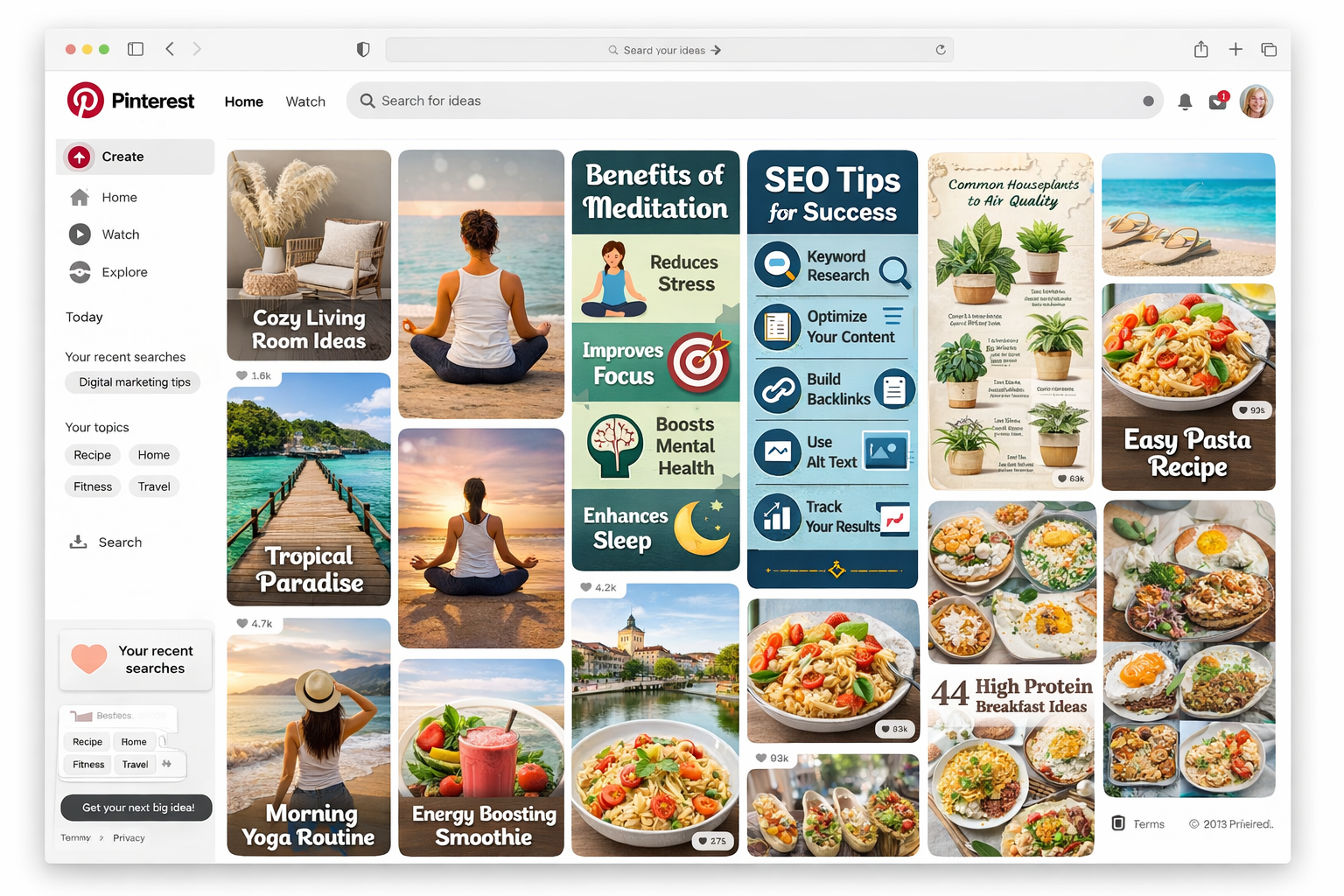
This is where Infographics on Pinterest become extremely effective. Infographics combine visual storytelling with structured information, making them perfectly suited for a platform where users prefer quick insights and easy-to-understand visuals.

Pinterest Works as a Visual Discovery Engine

Pinterest is fundamentally a visual discovery engine rather than a traditional social network. Instead of showing posts primarily from accounts people follow, Pinterest recommends content based on relevance, keywords, and user interests. This means even new accounts can gain visibility if their content matches what users are searching for.

Infographics Match How Pinterest Users Consume Content

Infographics combine visuals and information in a way that aligns perfectly with how Pinterest users browse content. People visit the platform looking for ideas, inspiration, tips, and quick insights. Infographics deliver all of these elements in a single visual format.
Infographics Communicate Value Instantly

Instead of scrolling past a plain image or text-heavy graphic, users are naturally drawn to content that communicates value instantly. Infographics present data, insights, and step-by-step information in a visually appealing format that encourages users to pause and engage.
Because of this, infographic pins often receive more saves, clicks, and shares compared to standard image posts.

Pinterest Is a Massive Visual Discovery Platform

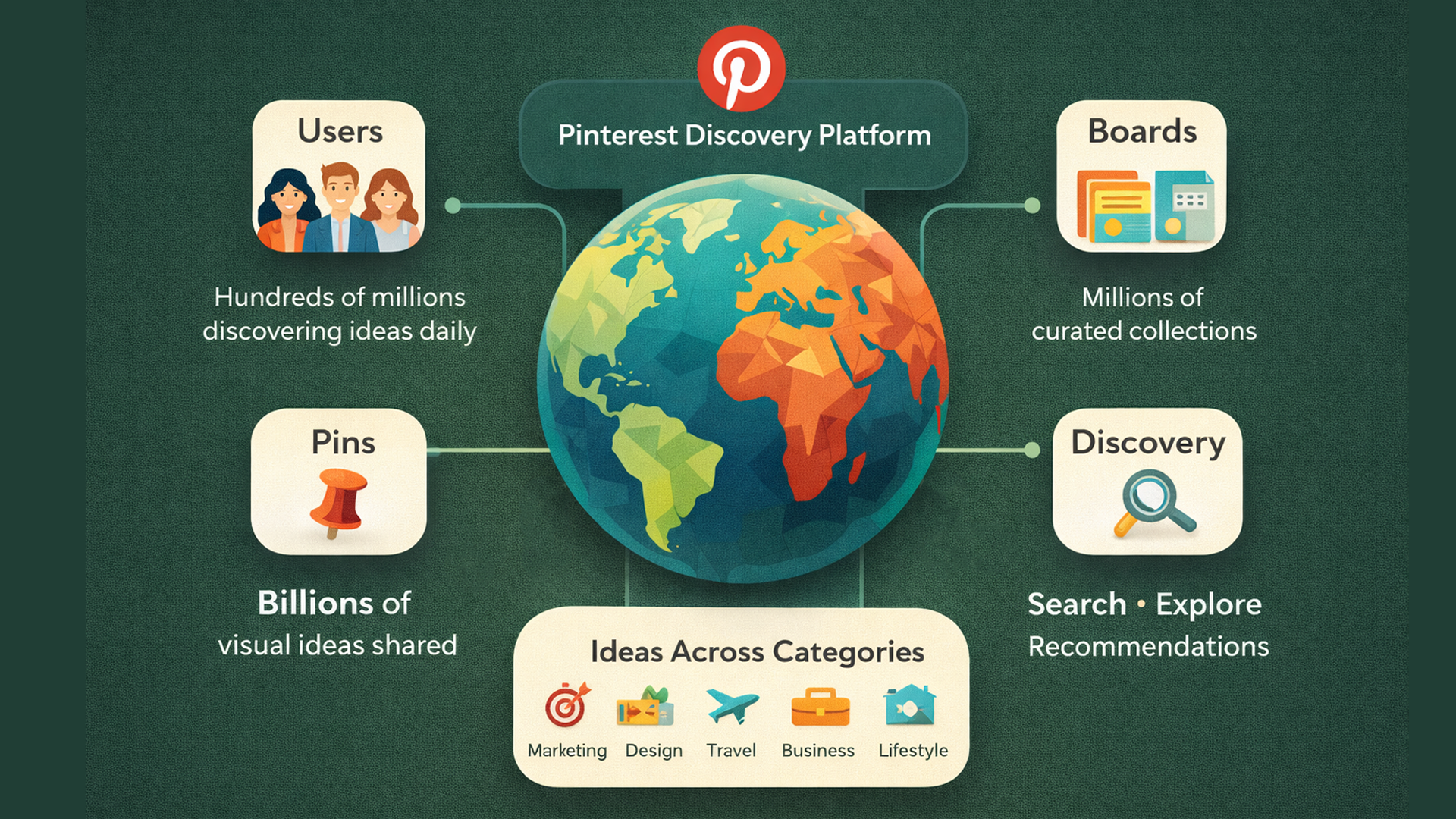
Pinterest’s scale alone makes it one of the most powerful platforms for content discovery on the internet. Unlike many social networks that are mainly built around communication and entertainment, Pinterest is designed specifically for finding and saving ideas visually. The platform hosts hundreds of millions of users, billions of pins, and well over a billion boards where people collect and organize content that inspires them.

This massive ecosystem creates an environment where almost every topic can find an audience. Whether someone is searching for ,marketing strategies, productivity tips, design inspiration, business ideas, recipes, travel guides or lifestyle hacks, Pinterest serves as a visual catalog of information and ideas. Users often treat the platform as a place to explore possibilities, plan projects, and gather inspiration for future decisions.

Because of this discovery-driven behavior, Pinterest content tends to have a much longer lifespan than posts on other social platforms. A single pin can continue appearing in search results and recommendation feeds long after it was first published. This means useful content especially visually informative content like infographics can continue attracting attention for months or even years.
Why Pinterest Content Reaches Beyond Followers

One of the most important differences between Pinterest and traditional social media platforms is how content is distributed. On networks like Instagram, Facebook, or Twitter, most users see posts primarily from accounts they follow. If an account has very few followers, its content usually struggles to reach a large audience.

Pinterest works differently.

Instead of focusing on who posted the content, Pinterest prioritizes content relevance and user interest. The platform analyzes several factors such as:

  • keywords used in pin titles and descriptions
  • visual elements within the image
  • engagement signals like saves and clicks
  • the topic of the board where the pin is saved

If a pin matches what people are searching for, Pinterest can show that content in search results, recommendation feeds, and related pin sections, regardless of how many followers the creator has.

Why This Matters for Infographic Creators

This discovery system gives new creators a huge advantage. Even if you are starting a Pinterest account from scratch with zero followers, your content still has the potential to reach thousands of users. As long as the pin provides useful information and aligns with what people are searching for, Pinterest can recommend it to a relevant audience.

This is exactly why Infographics on Pinterest perform so well. Infographics present valuable information in a visually structured format, making them ideal for a platform where users actively look for ideas, guides, and insights.

When an infographic clearly explains a topic and includes relevant keywords, Pinterest can easily understand what the content is about. As a result, the platform may display the pin to users who are searching for similar topics. Over time, this exposure can help infographic content reach a much wider audience even without an existing follower base.

Why Infographics on Pinterest Capture Attention Instantly

Pinterest feeds are filled with thousands of images competing for attention. Users scroll quickly, often deciding within seconds whether a pin is worth stopping for. Because of this fast browsing behavior, content on Pinterest must communicate its value immediately. If a pin doesn’t clearly show what it offers, people simply scroll past it.

This is where Infographics on Pinterest have a major advantage.
Unlike simple images or text-based graphics, infographics combine visual design with structured information. They present ideas in an organized format that makes it easy for viewers to understand the topic at a glance. Instead of forcing users to read long descriptions, infographics allow them to quickly scan and absorb key insights.

Most effective infographics include several elements that help them stand out in busy Pinterest feeds:

  • Bold headings that instantly communicate the topic
  • Icons and illustrations that visually explain ideas
  • Data or statistics that add credibility
  • Structured visual hierarchy that guides the reader’s eye

These elements work together to make the content clear and valuable within seconds. When users understand what a pin offers right away, they are much more likely to stop scrolling and engage with it.

Example
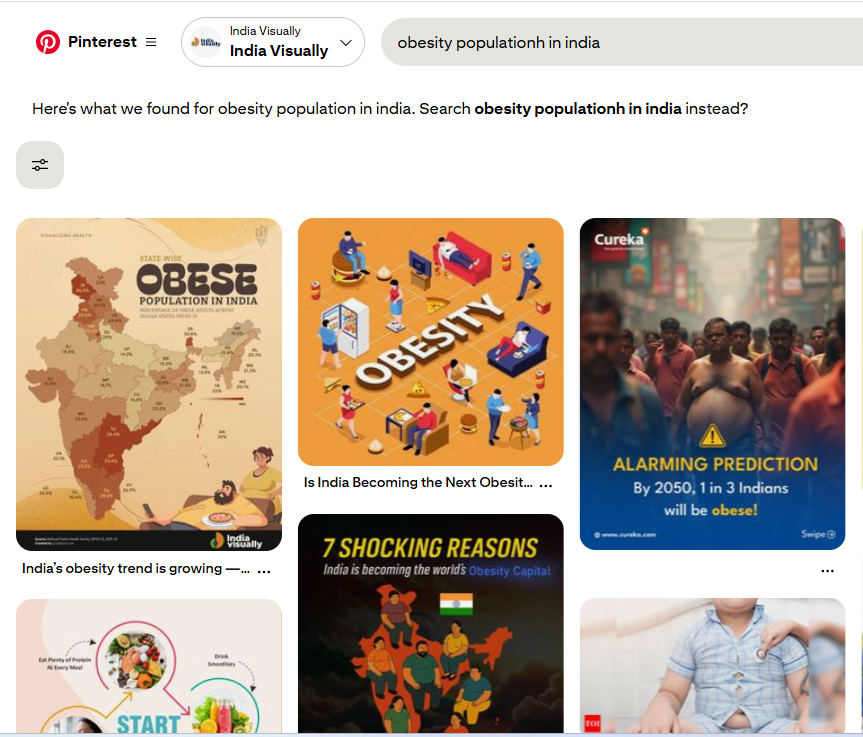
Imagine a user searching on Pinterest for “State-wise Obese Population in India.”They come across a vertical infographic that visually presents the data using a map and clear labels. Because the information is easy to understand at a glance, the user quickly grasps the key insights. They may pause, review the infographic, and save it to a board for later reference. This quick visual clarity is what makes Infographics on Pinterest highly engaging and easy to discover.

Why Pinterest Users Love Infographics

Pinterest users behave differently from users on many other social platforms. Instead of scrolling mainly for entertainment, most people visit Pinterest with a clear purpose. They often search for ideas, inspiration, and practical solutions they can apply in their personal or professional lives. This intent-driven behavior makes Pinterest a highly effective platform for informative and visually engaging content.

Research shows that about 63% of Pinterest users rely on the platform for inspiration, planning, and discovering new ideas, often replacing traditional media sources like magazines or catalogs. Users explore topics ranging from marketing strategies and productivity systems to design inspiration and lifestyle tips.

Because users come to Pinterest looking for solutions, they prefer content that delivers insights quickly. Infographics fit perfectly into this browsing behavior. By combining visuals, icons, and short text, infographics present information in a structured format that is easy to scan and understand.

Another key reason infographics perform well is that they are highly saveable content. When users discover a helpful infographic, they often save it to their boards for future reference. Popular infographic topics that users frequently save include marketing strategies, productivity frameworks, SEO checklists, and business growth tips.

Each save increases the chances that the infographic will appear in more recommendation feeds and search results, helping the content reach new audiences over time.

How Pinterest Works Like a Visual Search Engine

One of the biggest misconceptions about Pinterest is that it behaves like a typical social media platform. In reality, Pinterest functions more like a visual search engine where users actively search for ideas, inspiration, and solutions. Instead of simply scrolling through posts from accounts they follow, people often visit Pinterest with a specific topic in mind.

Users typically start by typing a query into the Pinterest search bar. For example, someone might search for topics like digital marketing tips, SEO checklist infographic, content strategy framework, or startup growth roadmap. Pinterest then analyzes the keywords in the search query and displays pins that best match the user’s intent.

To determine which pins appear in search results, Pinterest looks at several factors such as pin titles, descriptions, board names, and the text inside images. When these elements clearly describe the topic of the content, Pinterest can categorize the pin and recommend it to users searching for related ideas.

This is one reason Infographics on Pinterest perform so well. Infographics often contain clear headings, structured information, and relevant keywords, making it easier for Pinterest to understand what the content is about. As a result, infographic pins are more likely to appear in search results and discovery feeds.

To better understand how Pinterest search works and how content becomes discoverable, watch the video below.

How Infographics on Pinterest Improve Search Visibility

Pinterest relies heavily on keywords to understand, categorize, and recommend content. Because the platform works much like a visual search engine, the way you optimize your pins plays a major role in how easily they can be discovered. When creating Infographics on Pinterest, it’s important to structure both the visual content and the pin information so that Pinterest clearly understands what the infographic is about.

Unlike traditional social platforms that prioritize follower engagement, Pinterest analyzes keywords and topic relevance to decide which pins should appear in search results. If your infographic is properly optimized, it can appear in front of users who are actively searching for related ideas—even if they are not following your account.

Key Elements That Improve Pinterest Search Visibility
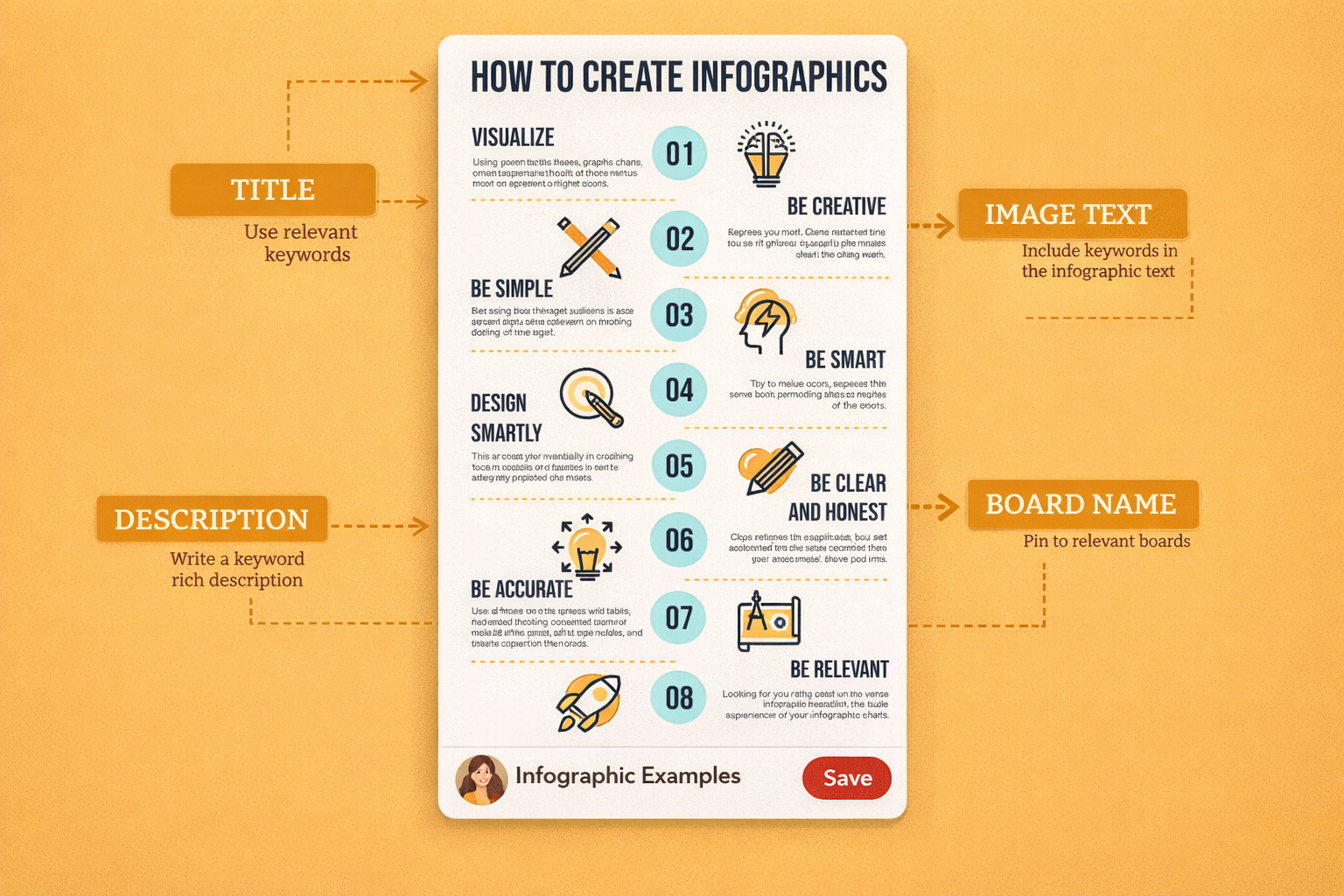
To improve discoverability, several elements of your pin should be optimized with relevant keywords and clear descriptions:
Pin Title
The pin title is one of the first signals Pinterest reads to understand the topic of your content. A clear, keyword-rich title helps the platform categorize your infographic correctly and display it in relevant searches.

Pin Description
Descriptions provide additional context about the content of the infographic. Including natural keywords related to the topic helps Pinterest connect the pin with users searching for similar ideas.

Image Text
Text within the infographic itself also matters. Pinterest’s algorithm can detect text elements in images, so clear headings and labels within the infographic help reinforce the topic of the content.

Board Name
The board where the pin is saved also influences how Pinterest interprets the content. Saving your infographic to a board with a relevant title such as marketing strategies or SEO tips helps strengthen the topic association.

Why Structured Infographics Help Pinterest Understand Content

Infographics naturally contain organized sections, headings, and visual cues that make it easier for Pinterest to understand the subject of the content. For example, an infographic about digital marketing might include labeled sections like SEO, social media strategy, or content marketing tips.

These structured elements act like signals that help the platform categorize the pin correctly. When combined with keyword optimized titles and descriptions, the infographic becomes much easier for Pinterest to index and recommend in search results.

As a result, well-optimized Infographics on Pinterest have a much higher chance of appearing in discovery feeds, related pin suggestions, and search results helping creators reach a wider audience organically.

Designing Infographics That Perform Well on Pinterest

Creating infographics for Pinterest requires more than simply presenting information visually. The design itself plays a crucial role in determining whether a pin captures attention, receives saves, and gains visibility across the platform. Some infographic pins attract thousands of clicks and shares, while others struggle to gain engagement. In many cases, the difference lies in how effectively the infographic is designed.

Pinterest is a highly visual platform where users scroll quickly through feeds filled with images and graphics. Because of this fast browsing behavior, infographics must communicate their value immediately. A well-designed infographic should be easy to scan, visually appealing, and structured in a way that helps viewers quickly understand the information.

One of the most important design considerations for Pinterest is the vertical layout. Pinterest favors taller images because they occupy more space in the feed, making them more noticeable while users scroll. Infographics naturally follow this format, allowing creators to present information in organized sections that guide the reader from top to bottom.

Use Vertical Layouts
Vertical designs perform significantly better on Pinterest than horizontal graphics. Tall pins stand out in crowded feeds and provide more space to display information clearly. By stacking sections vertically, designers can create a smooth reading flow that keeps viewers engaged as they scroll through the infographic.

Create a Clear Visual Hierarchy
A strong visual hierarchy helps guide the viewer’s attention through the infographic. Titles, subheadings, icons, and numbered sections should be arranged so that readers can easily follow the information from one point to the next. When the structure is clear, users can quickly scan the content and absorb key insights without feeling overwhelmed.

Keep Text Concise
Pinterest users typically prefer content that delivers information quickly. Long paragraphs can make infographics look cluttered and difficult to read. Instead, designers should focus on short sentences, bullet points, or brief explanations that communicate the main ideas efficiently.

Use Strong Visual Contrast
Color contrast and clean typography play an important role in readability. Bold colors, simple fonts, and well-defined sections help important elements stand out within the design. When viewers can easily distinguish headings, icons, and key data points, they are more likely to stay engaged with the content.

Include Subtle Branding
Infographics often get saved and shared across multiple Pinterest boards. Adding subtle branding such as a logo or website URL helps ensure that viewers can identify the original creator of the content. This can increase brand recognition and drive traffic back to the source of the infographic.

These design principles help transform a simple infographic into a highly engaging Pinterest pin. When the layout is clear, visually appealing, and easy to understand, users are more likely to stop scrolling, read the content, and save it for future reference.

Video: Infographic Design Tips for Pinterest
To better understand how effective infographic design works in practice, watch the video below.

Optimizing Your Pinterest Profile for Infographic Discovery

While creating high-quality content is essential, having a well-optimized Pinterest profile can significantly improve your chances of being discovered. Your profile acts as the first impression for users who click on your pins. When someone finds one of your infographics and visits your profile, they should immediately understand what your content is about and why it is worth following.

A clear and well-structured profile helps build trust and encourages visitors to explore more of your pins. If your profile clearly communicates your niche and the type of value you provide, users are more likely to follow your account and engage with your content.

Make Your Profile Purpose Clear

When someone lands on your Pinterest profile, they should quickly be able to answer three simple questions:

  • Who you are
  • What type of content you share
  • Why they should follow you

Your profile description should clearly explain your focus and the type of infographics you create. A short, keyword-rich bio helps both users and Pinterest understand your niche.

For example, if your account focuses on marketing visuals, your bio could say something like:
“Sharing simple visual guides on digital marketing, content strategy, and business growth.”

This kind of description instantly tells visitors what to expect from your content.

Use Consistent Branding

Your profile image should match your branding across other platforms such as your website, blog, or social media accounts. Using the same logo, color palette, or visual style makes your brand more recognizable.

Consistent branding helps build familiarity and trust with your audience. When users repeatedly see the same visual identity associated with valuable content, they are more likely to remember your profile and return for more ideas.

Create a Profile That Encourages Exploration

A well-optimized profile doesn’t just describe your content it encourages visitors to explore it. When users understand your niche and see consistent branding, they are more likely to browse your boards, save your infographics, and follow your account for future inspiration.

Over time, this combination of clear positioning, strong branding, and valuable content can significantly improve the discoverability of your Infographics on Pinterest.

How Pinterest Boards Help Organize and Promote Infographics

Pinterest is built around boards collections of pins organized by topic. These boards act like folders that help users save and categorize ideas they find interesting. For creators who publish Infographics on Pinterest, well organized boards play an important role in improving discoverability and making content easier to explore.
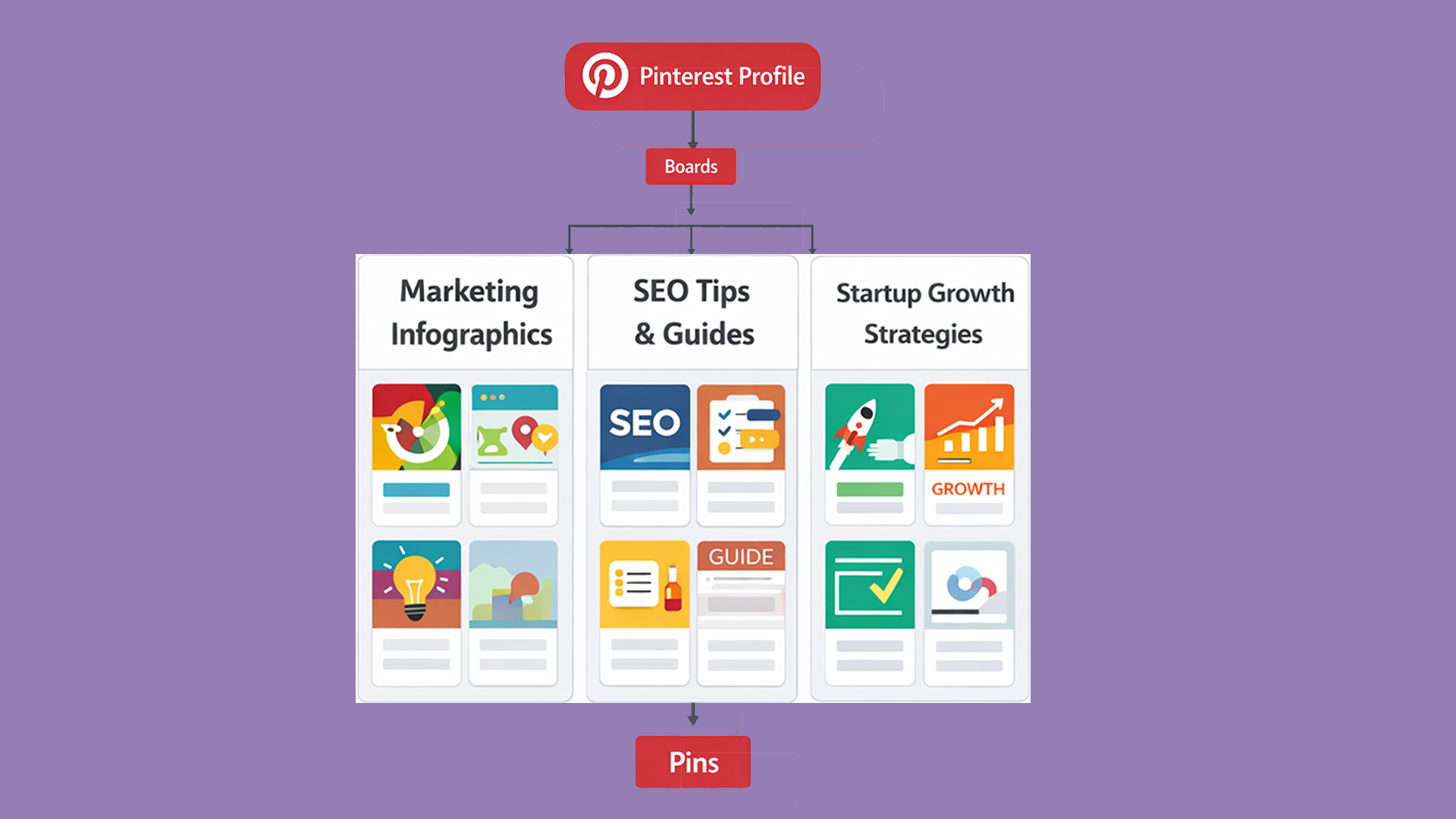
Creating clearly defined boards helps both users and Pinterest understand what your content is about. Instead of placing all your infographics in one general board, it’s better to organize them by topic. For example, you might create boards such as:

  • Marketing Infographics
  • SEO Tips and Guides
  • Startup Growth Strategies
  • Content Marketing Frameworks

Each board sends a signal to Pinterest about the type of content it contains. This helps the platform recommend your pins to users who are searching for or engaging with similar topics.

Well-structured boards also improve the user experience. When someone discovers one of your infographics and visits your profile, organized boards make it easier for them to find related content. As a result, they may explore more pins, save additional infographics, and follow your profile for future ideas.

Using Infographics to Drive Traffic Beyond Pinterest

One overlooked advantage of Infographics on Pinterest is their ability to drive traffic beyond the platform. While many users save pins for inspiration, they also click on pins when they want to learn more about a topic. This creates an opportunity for creators and businesses to use infographics as visual entry points that lead users to deeper content.

Infographics are especially effective at capturing attention because they summarize useful information in a clear and engaging format. When a pin presents helpful insights, tips, or data, users often become curious to explore the topic further. By linking the infographic to a related blog post, guide, or video, you can direct interested viewers to your website for more detailed information.

For example, an infographic might highlight the key steps of a marketing strategy or summarize important concepts from a longer article. Users who want a deeper explanation can click the pin and visit the full post. This approach helps transform a simple infographic into a gateway that connects Pinterest users with your broader content.

Businesses also use infographic pins to attract audiences interested in specific topics. Companies that create content related to SaaS Explainer Video guides, B2B Explainer Video strategies, marketing frameworks, or product tutorials often use infographics to introduce these ideas visually. Once users engage with the infographic, they can follow the link to explore the full resource.

In some cases, companies that produce custom explainer video content or operate as an explainer video company use infographic pins to visually explain their services before directing visitors to their website.

By combining informative visuals with clickable links, infographic pins can become powerful tools for generating website traffic and expanding your audience beyond Pinterest.

The Long-Term Traffic Power of Evergreen Infographics

Unlike many social media posts that lose visibility after a few hours or days, Pinterest content has a much longer lifespan. Because the platform works like a search engine, pins can continue appearing in search results and recommendation feeds long after they are published. This makes Pinterest an ideal platform for sharing evergreen infographic content that remains useful over time.

Evergreen infographics focus on topics that stay relevant for months or even years. Examples include visual guides about marketing strategies, productivity systems, business frameworks, and design tips. These topics continue to attract interest because people frequently search for solutions, ideas, and learning resources related to them.

When an infographic clearly explains a topic and includes useful information, users are more likely to save it to their boards for future reference. Each save helps the pin reach new audiences and increases the chances that Pinterest will continue recommending it to other users with similar interests.

Because Pinterest content is searchable, new users may discover your infographic long after it was first posted. A single well-designed infographic can therefore generate ongoing traffic, saves, and engagement without constant promotion.

Over time, this long-term visibility allows Infographics on Pinterest to become valuable assets that continue driving discovery and website traffic well beyond the initial publishing date.

Why Infographics on Pinterest Are a Powerful Growth Strategy

For creators and marketers trying to grow on Pinterest without a large follower base, infographics offer a powerful advantage. Unlike many social platforms where visibility often depends on audience size, Pinterest focuses more on the quality, relevance, and usefulness of content. This creates an opportunity for creators to reach new audiences even when they are just starting out.

Infographics work particularly well on Pinterest because they combine three elements that the platform naturally rewards:

  • Visual appeal
  • Informational value
  • Search relevance

These three factors make infographic pins highly engaging and easy for the platform to categorize and recommend. Visually attractive designs capture attention in crowded feeds, while structured information helps users quickly understand the content. At the same time, keyword-optimized titles and descriptions improve the chances of the pin appearing in search results.

Because of this combination, infographics are not just visually appealing—they are also highly discoverable. Instead of relying on a large follower count, creators can focus on producing helpful visual content that answers questions, explains concepts, or provides practical insights.

When an infographic delivers real value, users are naturally more likely to save, share, and interact with it. Each interaction signals to Pinterest that the content is useful, increasing the chances that it will be recommended to more users.

Over time, this process helps infographic pins reach a wider audience, making Infographics on Pinterest an effective strategy for long-term growth and visibility.

Final Thoughts

Growing on Pinterest doesn’t require thousands of followers. What matters most is creating content that aligns with how the platform works.

Infographics on Pinterest are one of the most effective ways to achieve this. They combine visually engaging design with useful information, making them ideal for a platform built around discovery and inspiration.

By creating high-quality infographic pins, optimizing them with relevant keywords, and organizing your boards strategically, you can dramatically increase your chances of being discovered—even as a new creator.

In the long run, a well-designed infographic can continue driving visibility, saves, and website traffic long after it’s published.

So if you want to grow on Pinterest organically, start focusing on one thing: creating infographics that inform, inspire, and capture attention.

Unlock the power of captivating visuals with our seasoned expertise! With 7 years of crafting compelling visual content, we’re ready to elevate your brand’s story. From stunning graphics to mesmerizing animations, we bring your vision to life. Let’s create engaging visuals that resonate with your audience and leave a lasting impression. Partner with us today for an unforgettable visual journey! 

Check out our work.