

YouTube SEO Basics Every Beginner Must Understand
If you’re new to YouTube or struggling to get traction, understanding the fundamentals of YouTube SEO is non-negotiable. YouTube is owned by Google, so it follows similar search and indexing principles, but with one major difference—it prioritizes viewer behavior over text alone. In 2026, optimization and performance must work together.
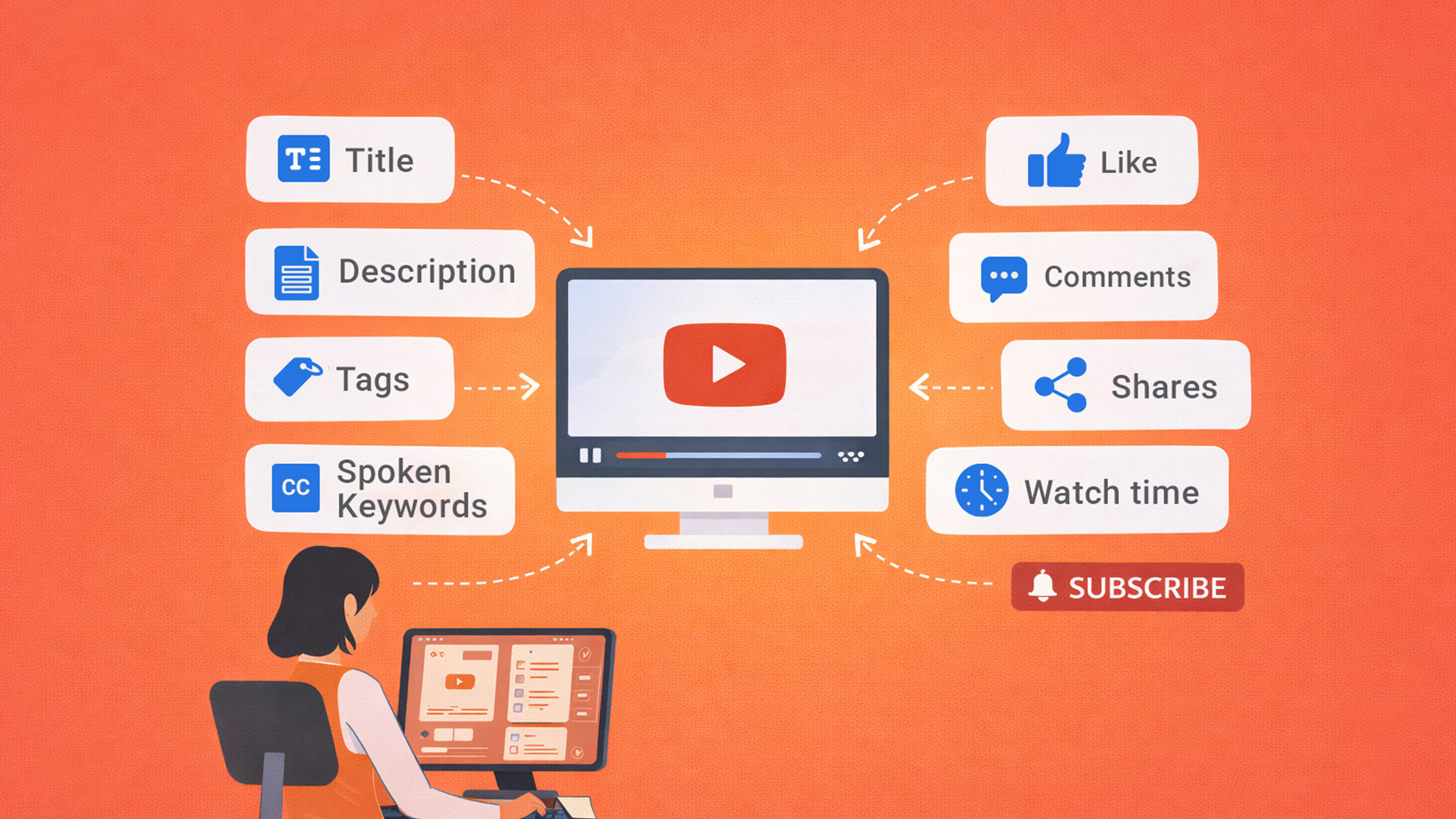
The algorithm evaluates multiple elements of your video to decide how far it should go. Metadata like titles, descriptions, and tags help YouTube understand what your video is about. Captions and spoken words reinforce relevance. But none of this matters if viewers don’t engage. Watch time, retention, click-through rate, likes, comments, and shares ultimately decide whether your video gets pushed or buried.
Many beginners make the mistake of focusing only on uploads. They post frequently, chase trends, or copy viral formats without understanding intent. While consistency helps, it doesn’t replace strategy. YouTube SEO in 2026 is about matching what users are searching for and delivering content that satisfies them once they click.
Ranking today requires a balance of technical optimization and human-focused content. Your video must answer a real question, solve a problem, or deliver clear value. When SEO brings viewers in and your content keeps them watching, the algorithm does the rest. That’s the foundation every beginner needs to master before worrying about advanced tactics.
Define Your Strategy Before You Upload Anything
Before you touch keywords, thumbnails, or even hit the record button, you need clarity. Every successful YouTube channel in 2026 starts by answering a few critical questions: Who is this video for? What problem does it solve? And what action should the viewer take next? Without clear answers, even well-optimized videos struggle to gain traction.
Choosing a defined target audience simplifies every SEO decision. When you understand your audience’s behavior, pain points, and search intent, your content naturally aligns with what YouTube wants to promote. Instead of trying to appeal to everyone, your videos speak directly to the right viewers, improving retention, engagement, and watch time—signals the algorithm heavily rewards.
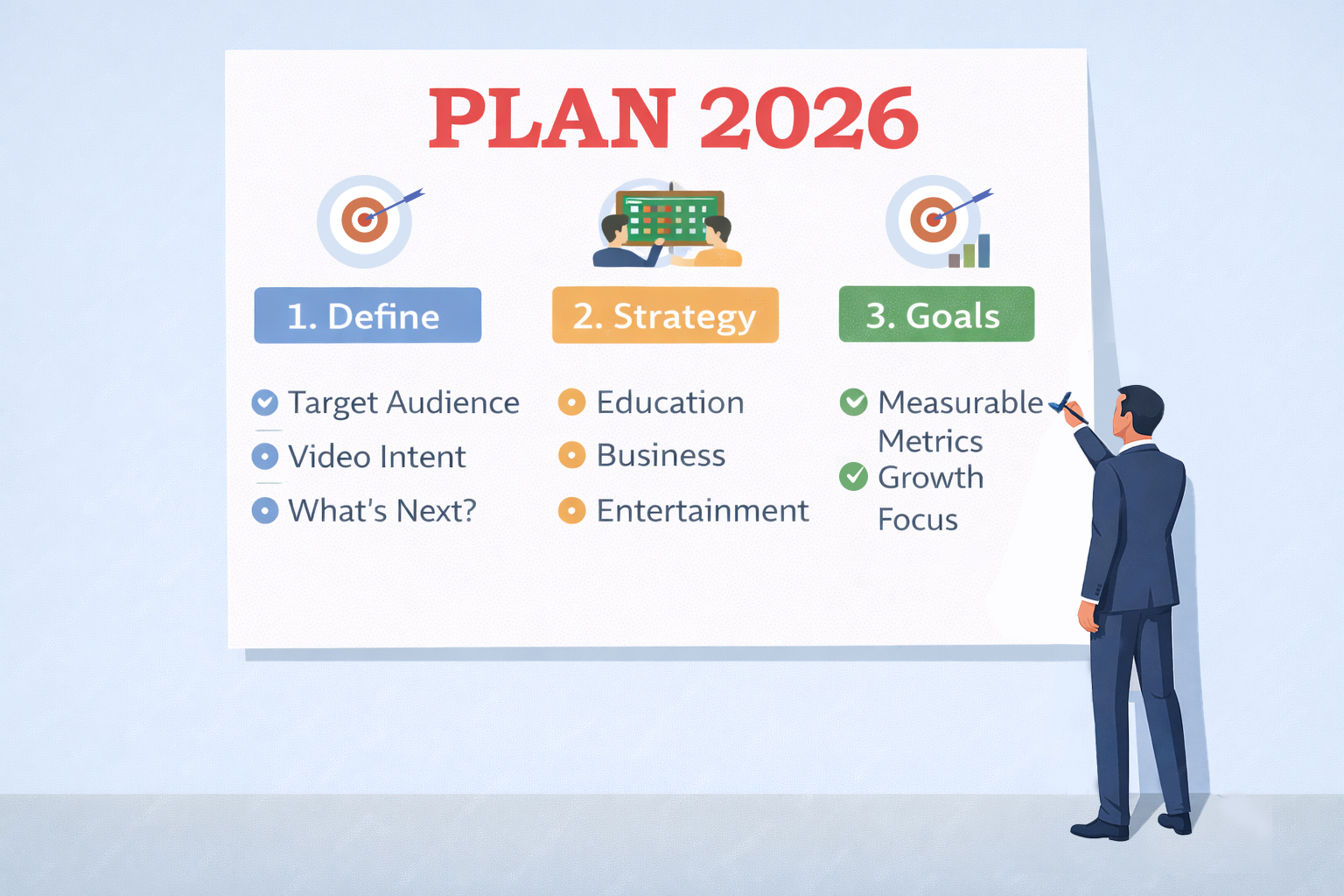
For example, a creator running an educational channel may focus on longer watch time and subscriber growth by breaking topics into step-by-step lessons. A business channel publishing a B2B explainer video might prioritize clarity, trust, and conversions, guiding viewers toward demos or consultations. Meanwhile, an entertainment creator may optimize for fast hooks, emotional reactions, and shares to boost reach and recommendations. Each strategy is different, but all are effective when aligned with audience intent.
Setting measurable goals early keeps your content focused. Whether you’re optimizing for views, watch time, comments, subscribers, or conversions, consistency matters. In YouTube SEO in 2026, the algorithm responds best to clear, repeated signals. A focused strategy helps YouTube understand your channel faster—and helps you grow with purpose instead of guessing.
Channel-Level SEO Most Creators Ignore
Your channel is not just a collection of videos—it’s an authority signal. Think of it like a homepage for your brand. Just like a website homepage helps Google understand what a business is about, your channel helps YouTube understand your niche and content focus.
A weak channel setup limits visibility no matter how good your videos are. Channel keywords, niche clarity, and About section optimization help YouTube understand what your channel represents. For example, a tech review channel that clearly signals “smartphones, laptops, and gadget reviews” will be understood faster than a channel with random, unrelated uploads.
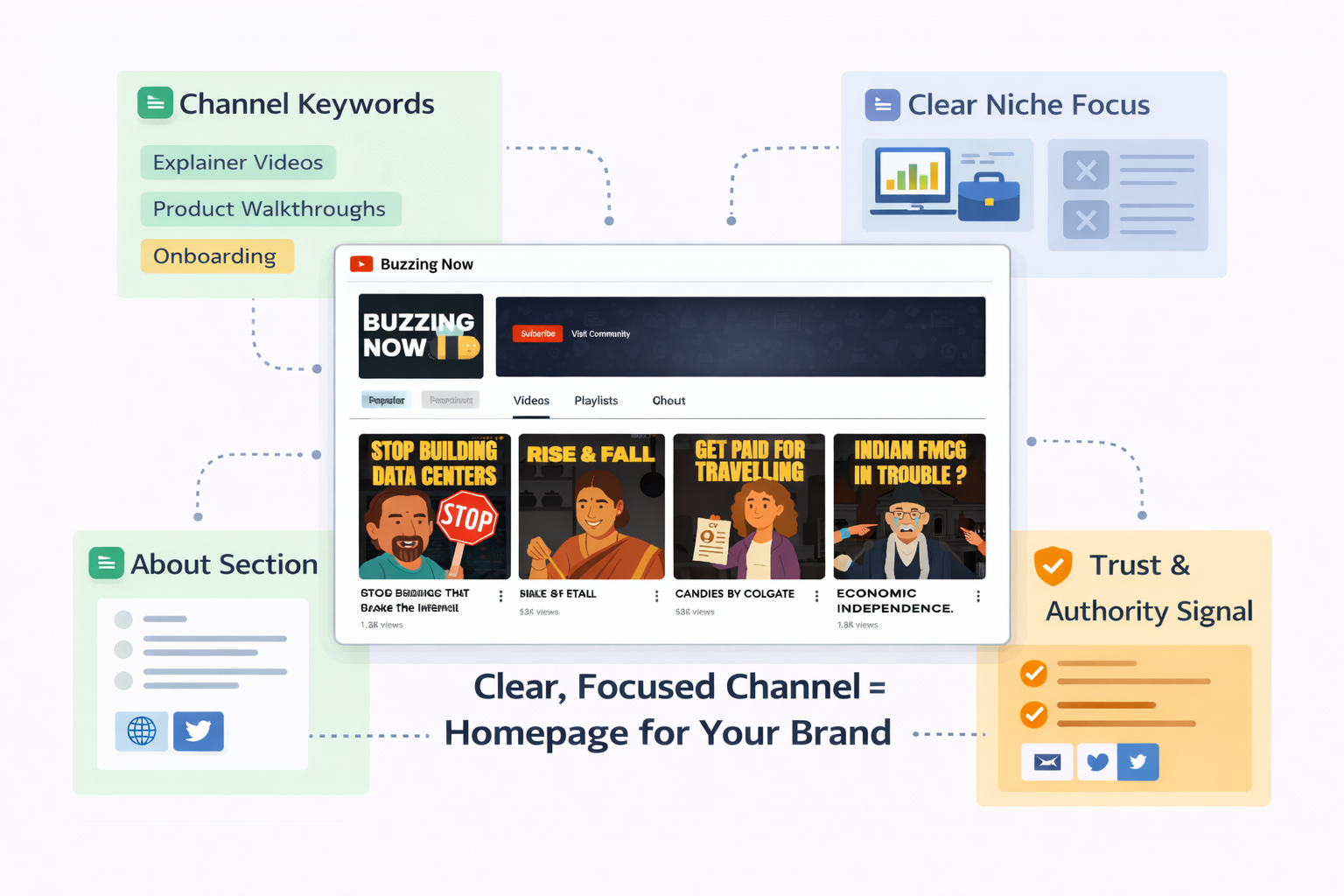
Inside YouTube Studio, channel keywords allow you to define your focus. Whether you create SaaS explainer video content, run B2B explainer video campaigns, or operate as one of the best explainer video companies, clarity matters. A channel focused on explainer videos might consistently use keywords like product walkthroughs, onboarding videos, or feature explainers, helping the algorithm connect all uploads under one theme.
Your About section should reinforce your niche, explain what viewers can expect, and link out to your site or social profiles. For example, an educational creator might promise step-by-step tutorials, while a business channel may highlight case studies and conversion-focused content. This clarity builds trust for both users and the algorithm.
Playlists as a Hidden SEO Growth Lever
Playlists are one of the most underused tools in YouTube SEO in 2026, yet they have a direct impact on session watch time—one of the strongest signals the algorithm values. Instead of treating videos as standalone pieces, playlists help YouTube understand how your content connects and how it should be consumed.
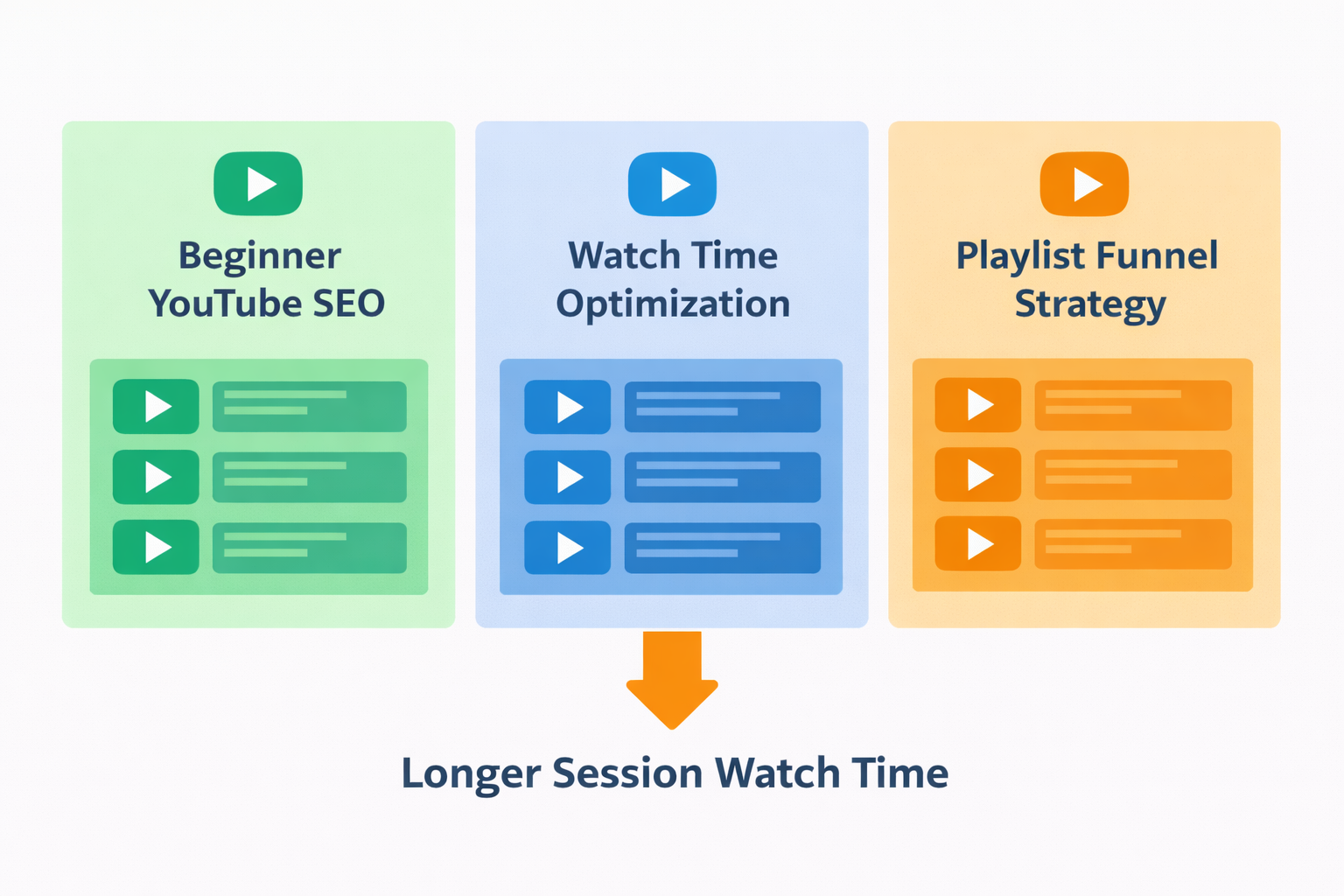
When videos are grouped into clear, thematic playlists, viewers naturally continue watching. This increases the number of videos watched in a single session, which tells YouTube your channel is keeping users engaged for longer periods. The longer a session lasts, the more valuable your content appears, leading to stronger recommendations across Home and suggested feeds.
SEO-friendly playlist titles and descriptions play an important role here. Using relevant keywords naturally, explaining what viewers will learn, and setting clear expectations help both users and the algorithm. Arranging videos in a logical sequence—especially for tutorials or educational content—signals that your videos are meant to be watched together, not randomly. Over time, well-structured playlists can quietly drive consistent growth without needing new uploads every week.
Consistency, Community, and Sustainable Growth
YouTube growth isn’t just about publishing videos. It’s about staying connected between uploads.
Posting consistently sends a strong signal to the algorithm that your channel is active and reliable. A predictable schedule builds trust with viewers and improves return visits.
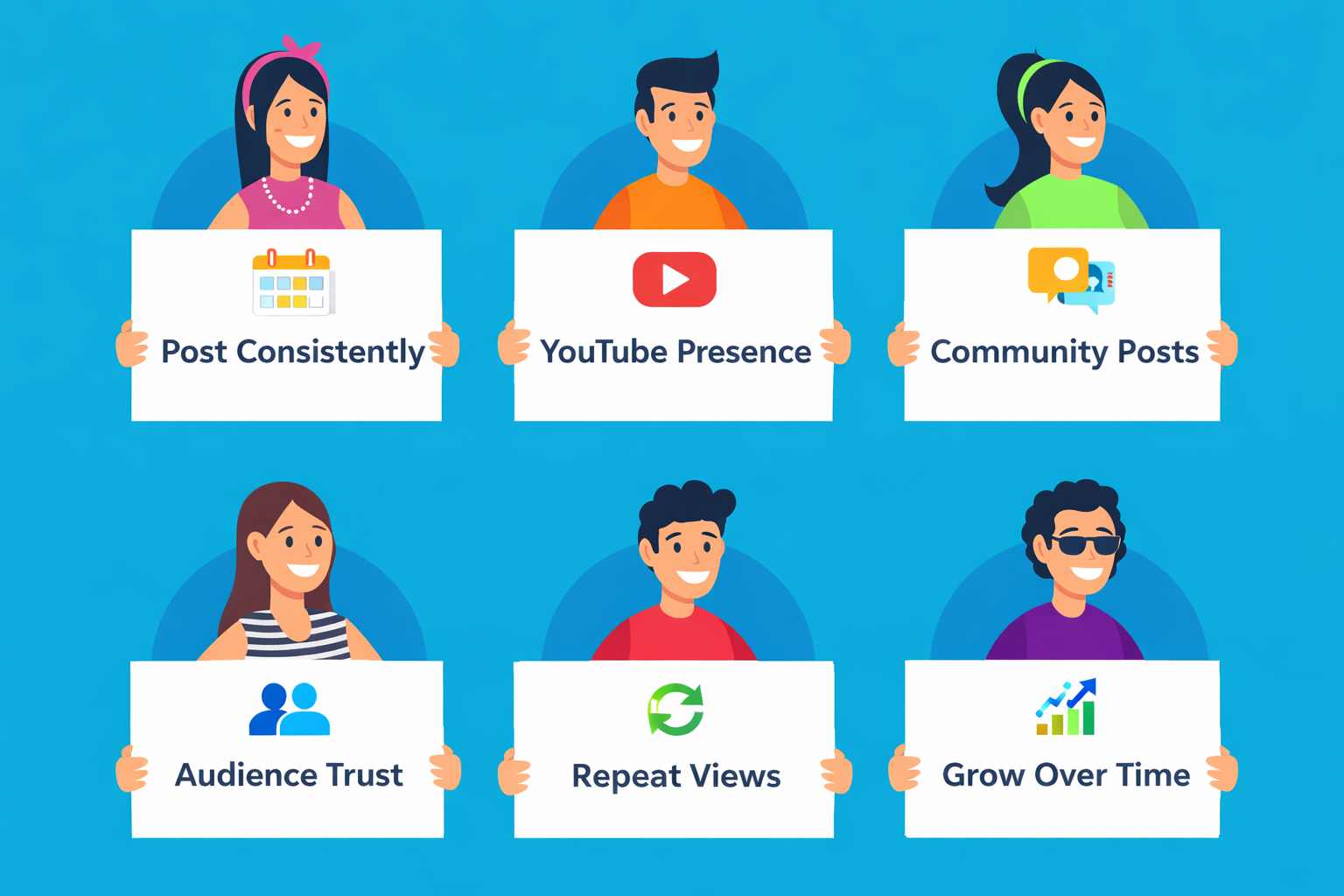 Community posts—polls, updates, images, and text—keep your channel top of mind. From an SEO perspective, they also drive traffic to both new and older videos, increasing total engagement.
More content means more discovery opportunities. The algorithm favors channels that show long-term commitment.
Engagement Signals That Push Rankings Higher
Engagement signals play a major role in how YouTube evaluates and distributes content. Likes, comments, shares, and subscriptions tell the algorithm that viewers find your video valuable and worth interacting with. While engagement alone won’t guarantee rankings, it strongly supports other signals like watch time and retention, helping videos gain broader reach over time.
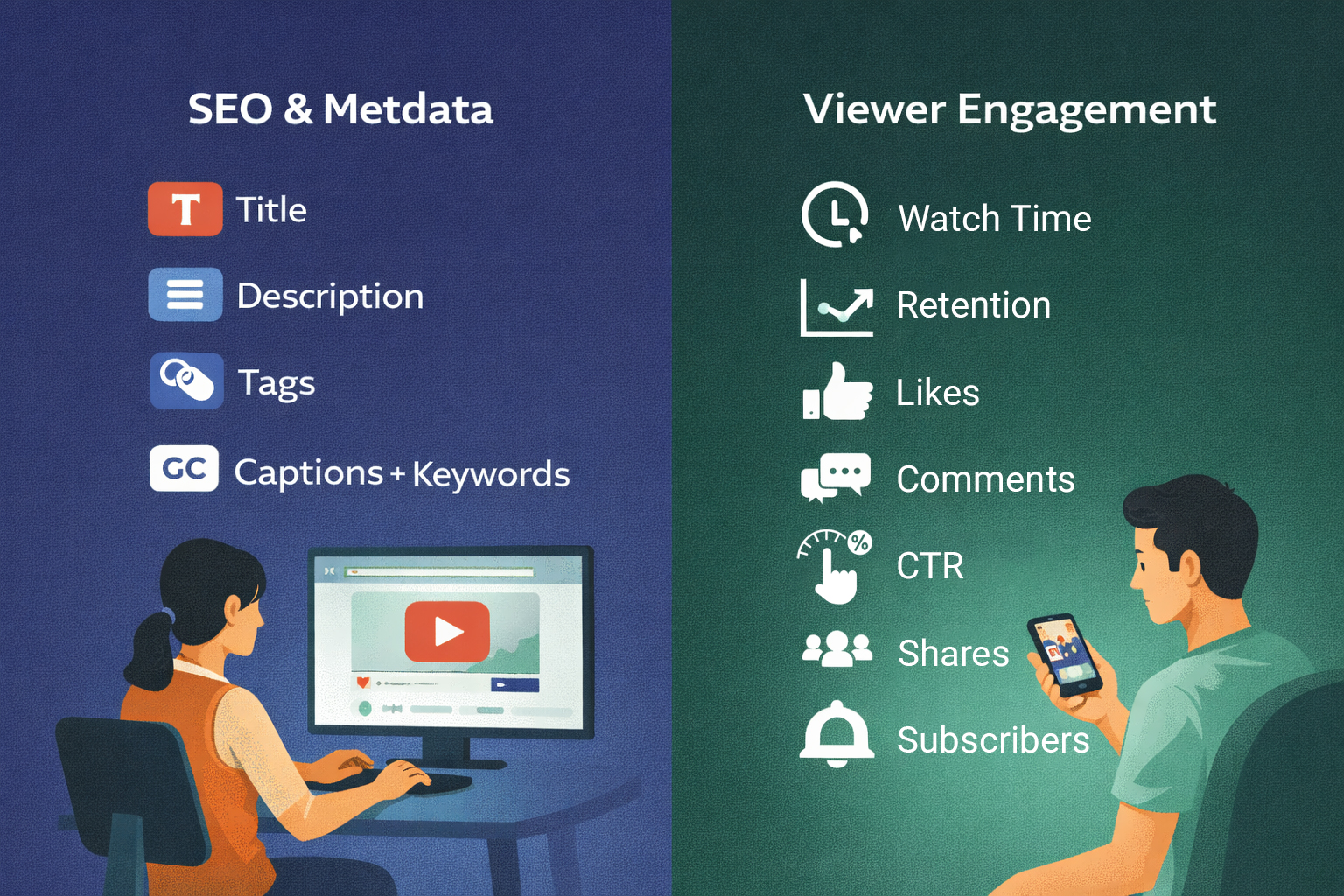
Engagement doesn’t just boost individual videos—it strengthens overall channel authority. When multiple videos consistently receive interaction, YouTube becomes more confident recommending your content to new viewers. This is why channels with active audiences often see faster growth, even without viral hits.
Encouraging interaction should feel natural, not forced. Simple actions like asking a question during the video, responding to comments, or inviting viewers to share their opinions can increase participation. Content that sparks discussion keeps viewers emotionally invested and returning to your channel. Over time, a growing library of engaged videos compounds results far more reliably than chasing one-off viral moments.
Common YouTube SEO Mistakes to Avoid
Many creators unknowingly sabotage their YouTube growth by repeating the same basic mistakes. Keyword stuffing titles with repeated phrases doesn’t improve rankings and often makes videos look spammy. Leaving descriptions empty or writing a single vague line wastes valuable SEO space that could help YouTube understand your content. Overpromising with titles or thumbnails is another major issue. While it may attract clicks, it leads to poor retention when the content doesn’t match expectations, which quickly hurts visibility.

Auto-generated thumbnails are often blurry, poorly framed, or irrelevant. A well-designed custom thumbnail is one of the fastest ways to improve click-through rate. Higher CTR signals strong interest, which leads to more impressions, especially in suggested and Home feeds.
Ignoring analytics is a silent growth killer. Retention graphs, CTR data, and traffic sources show exactly how viewers interact with your videos. Without reviewing this data, creators rely on guesswork instead of improving what actually works.