

Why Video Marketing Levels the Playing Field
The beauty of today’s digital world is that creativity beats cash. You don’t need to outspend your competitors to outshine them — you just need to outthink them. That’s exactly why video marketing has become the ultimate equalizer. It empowers small businesses to compete with big brands using video marketing in ways that were unimaginable just a decade ago.
Here’s how it works.
1. People Remember What They See, Not What They Read
Think about the last ad you actually remembered. Chances are, it wasn’t a block of text or a static banner — it was a video.
That’s because humans are visual creatures. Our brains are wired to respond to movement, faces, and stories.
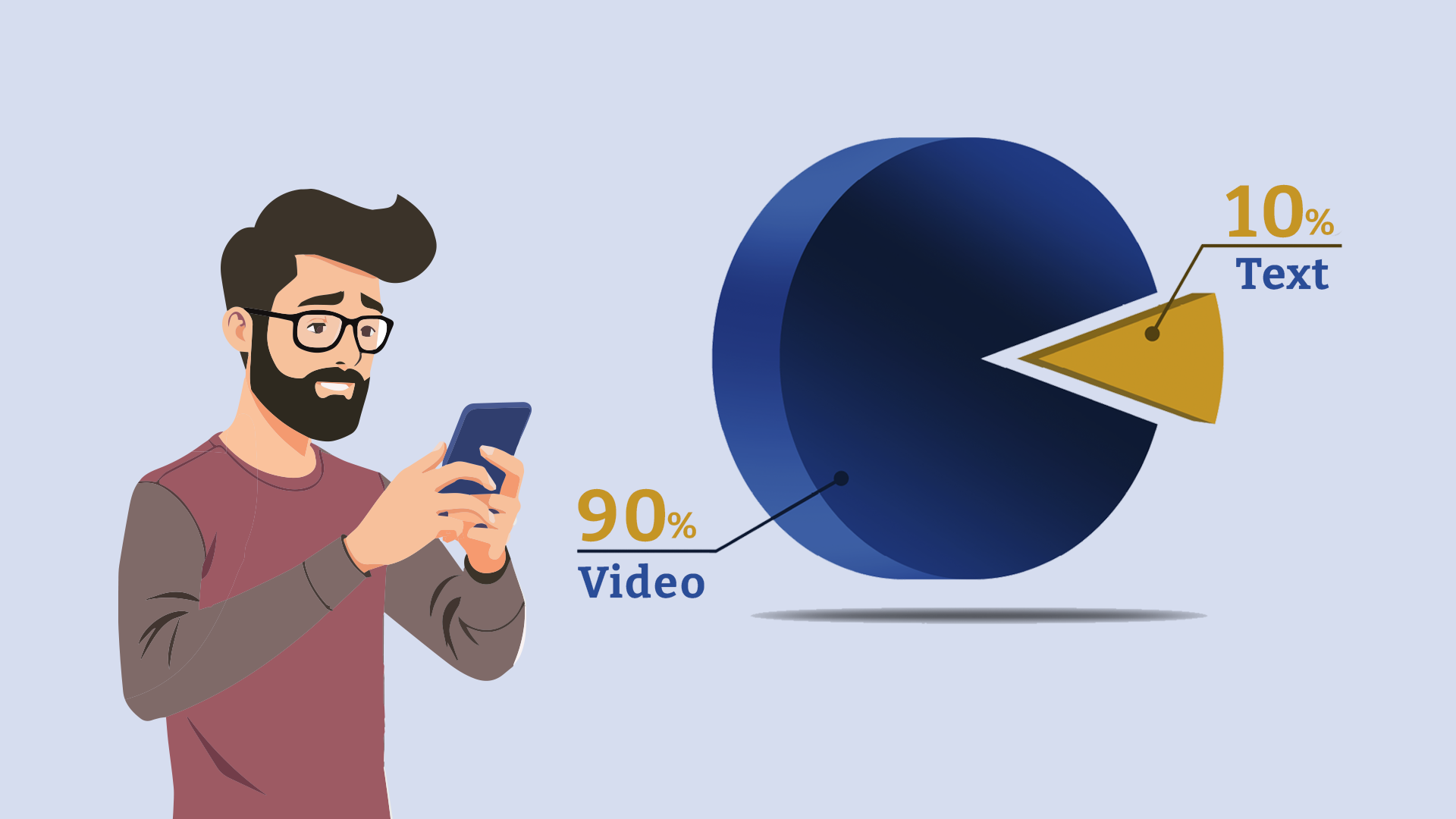
According to a study by Insivia, viewers retain around 90% of a message when they watch it in a video, compared to just 10% when reading it in text. That’s not a small difference — it’s a marketing superpower. For small businesses, this means every video you create has the potential to stick in your audience’s mind longer and drive real action.
Video blends visuals, sound, and emotion — a combination that helps your message feel more personal and memorable. Whether it’s a short 2D animated explainer video breaking down your product or a quick behind-the-scenes clip filmed on your phone, the impact is massive compared to traditional static content.
Small businesses don’t need expensive ad campaigns or big PR pushes. A well-told story in video form can instantly connect with your audience, build trust, and leave a lasting impression — all while staying within budget. That’s the real magic of being able to compete with big brands using video marketing.
2. Technology Has Made Video Creation Affordable
Once upon a time, creating a professional-quality video required a studio, a director, lighting experts, and a crew that could easily cost thousands per day. Those days are gone.
Now, the tools are literally in your pocket.
Modern smartphones can shoot 4K videos, and user-friendly tools like CapCut, Canva, DaVinci Resolve, or even AI-powered editors allow anyone to create high-quality videos without any technical background. In 2025, small businesses can make studio-level promotional videos right from their office, store, or even home.
Platforms like YouTube Shorts, Instagram Reels, TikTok, and LinkedIn Video reward consistency and creativity over budget. That means a passionate founder filming product demos or customer testimonials can achieve the same visibility as a brand spending lakhs on ad production.
Even niche industries like healthcare or medical technology are using affordable tools to tell their stories. A small MedTech startup, for instance, can easily create a custom explainer video to explain how its product works or to educate patients and investors. With a mix of animation, text overlays, and a simple voiceover, the result looks polished, professional, and deeply effective — all for a fraction of the cost of traditional advertising.
So if you’ve ever thought video marketing was too expensive, it’s time to rethink that. Today, you don’t need fancy gear or a massive team — just a strong message, a bit of creativity, and the willingness to show up consistently.
3. Audiences Love Authentic Brands
Big brands often struggle to appear human. Their marketing teams have to go through layers of approval, and their content tends to feel scripted or impersonal.
That’s where small businesses have the upper hand.
Modern consumers crave authenticity. They don’t just want to buy a product — they want to know the story behind it. They want to see the faces behind the brand, the effort that goes into the work, and the genuine passion driving it.
Video gives small businesses the perfect platform to share that. Whether it’s a founder explaining why they started their company, a quick clip of the team packing orders, or a customer testimonial — this kind of genuine storytelling builds trust faster than any ad copy could.
In fact, studies show that 92% of consumers trust recommendations from individuals — even if they don’t know them — over traditional ads. A heartfelt video showcasing real stories can do more for your brand than the most polished corporate campaign.
For example:
- A small explainer video company can post a behind-the-scenes video showing how they craft unique animations for clients.
- A local medical startup can share real stories of doctors or patients who benefit from their technology.
- A family-run bakery can show the love that goes into every batch of cookies.
These aren’t just marketing gimmicks — they’re authentic moments that help customers relate to your brand.
That’s why authenticity is the ultimate advantage when you’re trying to compete with big brands using video marketing. The more human and relatable your videos are, the easier it becomes for your audience to connect emotionally and choose you over the faceless corporations.
In short, video marketing doesn’t just level the playing field — it tilts it in your favor.
It helps small businesses cut through the noise, connect on a human level, and showcase creativity over capital. The best part? You don’t need a Hollywood setup or a massive media budget — just your voice, your vision, and the courage to tell your story.
Because in today’s world, the most powerful camera isn’t the most expensive one — it’s the one you actually use.
Why Is a Small Business Video Marketing Strategy a Must-Have in 2025?
Video has become the heart of digital communication. Whether you’re a solopreneur or a growing small business, it’s no longer enough to post static visuals — your audience wants movement, emotion, and story. In 2025, video isn’t just an add-on to marketing; it’s how small businesses can look and perform like big brands without needing their budget.
1. Affordable Tools, Huge ROI
You don’t need a fancy studio or a production team to make great videos anymore. Smartphones now shoot 4K video, and editing tools like CapCut, VN Editor, or DaVinci Resolve make post-production easy for anyone. Even AI assistants can write scripts, remove backgrounds, or add subtitles in seconds.
For example:
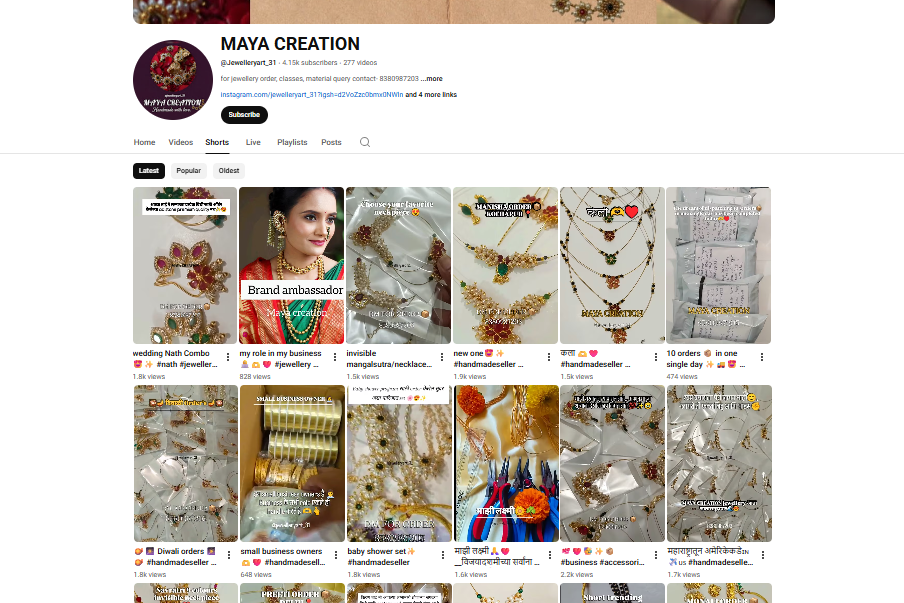
Take the case of Maya Collections, a small handmade jewelry brand run by 26-year-old entrepreneur Maya Suri from Jaipur. She didn’t have a marketing team or a big budget, so she started recording short videos on her phone — packing orders, polishing gemstones, and showing how each piece was made by hand.
One of her “day in the studio” videos unexpectedly hit 150K+ views on Instagram Reels. Within a week, she sold out her new bracelet collection and received bulk orders from two retail stores. All of this happened without professional cameras, fancy lighting, or paid ads — just authentic storytelling through video.
Maya’s journey proves one thing: in 2025, video isn’t about perfection — it’s about personality, connection, and consistency. Small businesses using simple tools can now attract customers the way big brands do, but at a fraction of the cost.
2. Platforms Are Prioritizing Video Content
Social media algorithms love video. In 2025, platforms like Instagram Reels, YouTube Shorts, and LinkedIn Video Posts are pushing short, high-engagement content to the top of feeds. If you’re not making videos, your brand risks staying invisible.
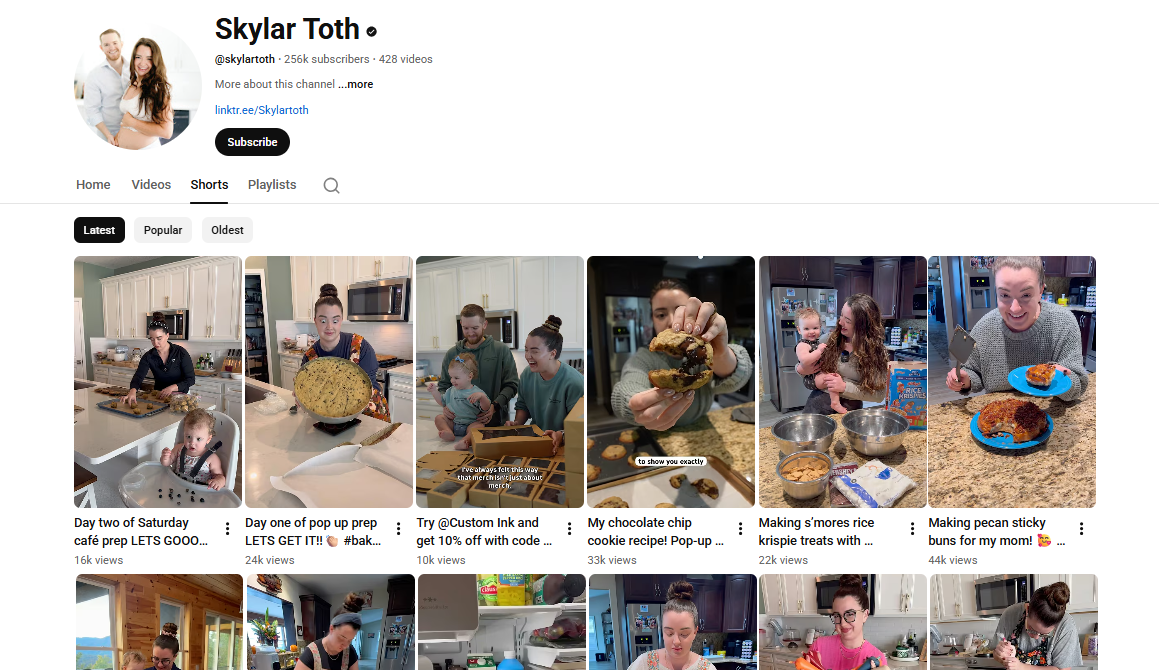
example: Skylar Toth, a small bakery creator on YouTube, grew his entire audience through short, satisfying dessert videos. He started posting simple cake-decorating clips — smooth frosting swirls, piping roses, chocolate drips, and behind-the-scenes bakery moments. Most of these videos were filmed on a phone, under natural kitchen lighting, with no fancy setup.
But the results were massive. Several of his Shorts crossed 100K to 1M+ views, turning his small home-based bakery into a fast-growing online brand. What makes Skylar’s content so successful is the combination of visual satisfaction + simplicity + consistency. His videos are quick, soothing to watch, and perfect for algorithm-friendly platforms like YouTube Shorts and Instagram Reels.
Skylar’s journey proves that in 2025, any small bakery or food business can reach millions simply by sharing short, engaging videos — no studio, no big budget, just creativity and consistency.
3. People Connect with Authentic Brands
Consumers today are quick to scroll past anything that feels overly polished or “corporate.” They want to see people, purpose, and process. Small businesses have a huge advantage here — they can show authenticity that large corporations can’t fake.
A casual video of your founder explaining a product or a staff member showing how an order is packed can outperform a glossy ad.
Understanding the Power of Video Marketing for Small Businesses
Video marketing isn’t just another trend — it taps into how humans naturally learn, feel, and make decisions. For small businesses, this understanding can be the difference between being ignored and being remembered.
Video Converts Better Than Any Other Format
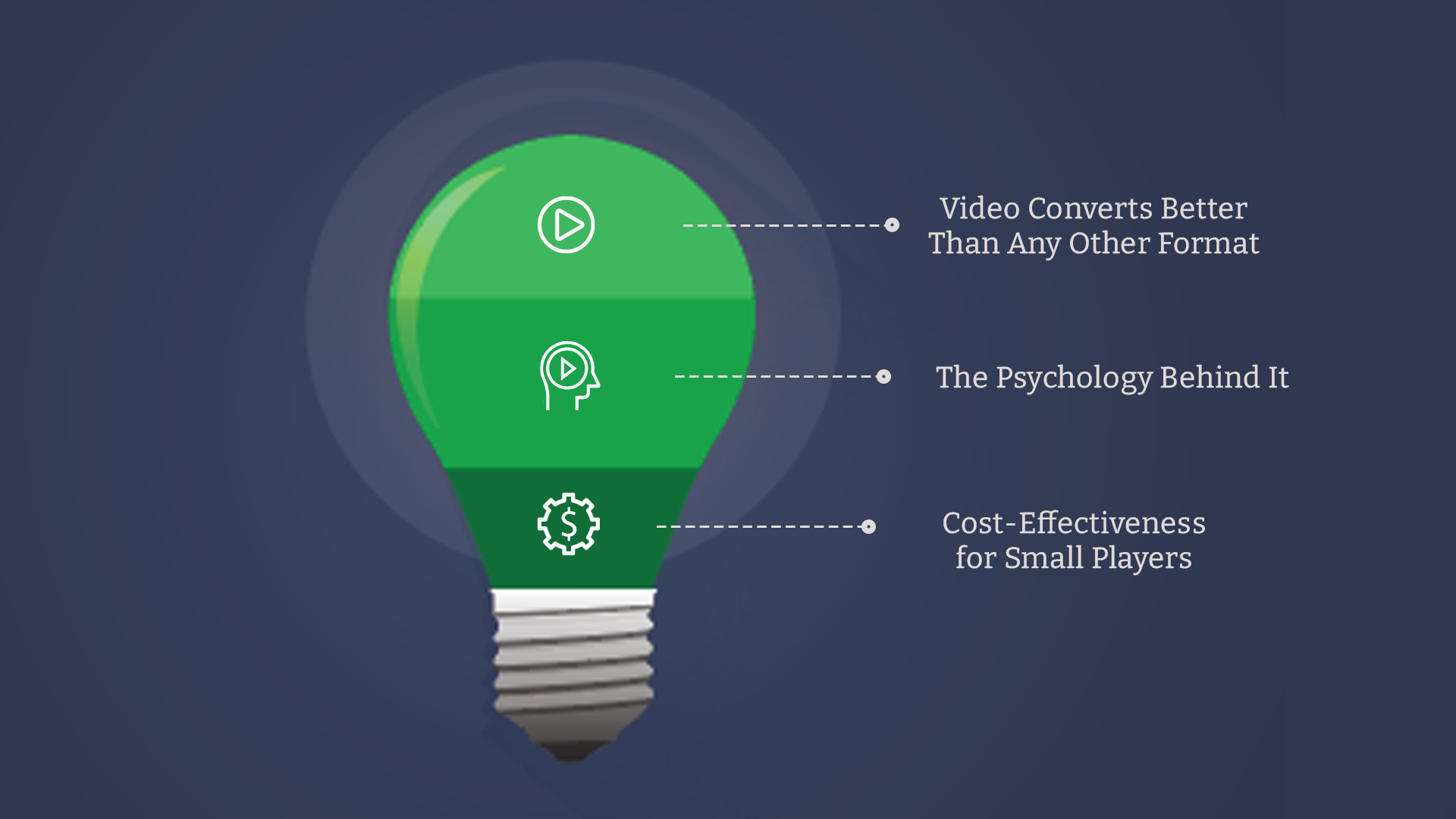
Videos don’t just entertain; they drive action. According to Wyzowl’s 2025 report, 88% of consumers have been convinced to purchase after watching a brand video. That’s because videos allow businesses to show — not just tell — how their product fits into real life. A 15-second Instagram clip demonstrating a product can outperform a long text post or static image ad by miles.
The Psychology Behind It
Humans are visual learners. Our brains process visuals 60,000 times faster than text, and we remember stories far better than statistics. Videos combine visuals, sound, and emotion — creating a powerful sensory experience that text alone can’t match. When your audience feels something, they’re more likely to trust, remember, and act on your message.
Cost-Effectiveness for Small Players
The best part? Great video marketing doesn’t need Hollywood-level production. A smartphone, good lighting, and a clear message can go viral if it resonates. Many local brands are proving that creativity, authenticity, and storytelling can easily outperform big-budget campaigns. It’s not about spending more — it’s about connecting better.
How to Build a Winning Video Marketing Strategy
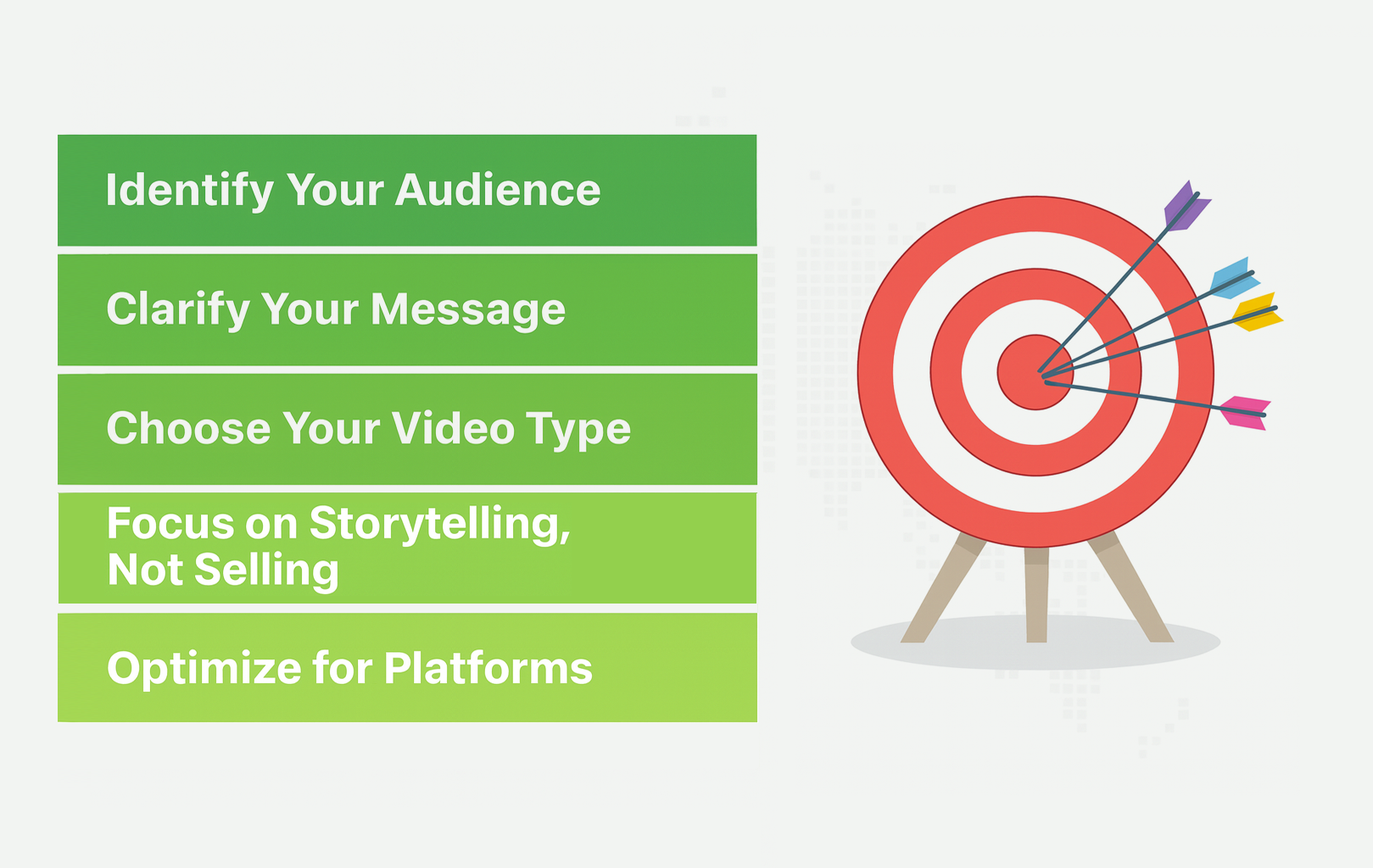
Identify Your Audience
Who are you speaking to? Start by defining your ideal customer persona — age, pain points, interests, and preferred platforms.
Clarify Your Message
Keep it simple. What problem do you solve? Why should someone care? Every second counts, especially in short-form video.
Choose Your Video Type
Explainers, testimonials, tutorials, or brand stories — pick based on your business stage and audience needs.
Focus on Storytelling, Not Selling
People remember stories, not pitches. Frame your product as the solution in a story that your audience relates to.
Optimize for Platforms
Landscape for YouTube, square for Instagram, vertical for Reels and TikToks. Add captions — 85% of videos are watched on mute!
Using Data to Refine Your Video Strategy
The beauty of video marketing is that it’s measurable. Every view, click, and comment tells you something about your audience — what they like, what they skip, and what makes them stop scrolling. Small businesses can now use the same insights big brands rely on to improve performance over time.
1. Track What Truly Matters
It’s easy to get caught up in vanity metrics like total views. But what really moves the needle are engagement and conversion metrics — the signs that your content is genuinely working.

- Watch Time: Are people staying until the end of your video, or dropping off after 5 seconds?
Longer watch times signal stronger storytelling and relevance. - Click-Through Rate (CTR): Do your viewers take the next step — click your website link, follow your page, or explore your products?
- A higher CTR means your call-to-action (CTA) is doing its job.
- Conversions: The real win — are viewers becoming customers?
Whether it’s signing up for a newsletter or making a purchase, conversions measure the true ROI of your content.
2. Test and Iterate
Even the best marketers don’t get it right the first time — they test, learn, and tweak.
Try A/B testing your content: experiment with two versions of the same video by changing the first 3 seconds, the thumbnail, or even the caption.
Ask yourself:
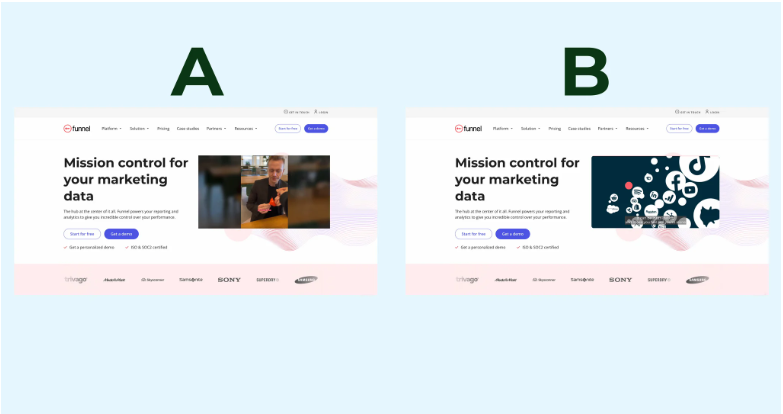
- Does a smiling face in the thumbnail perform better than a product shot?
- Which hook works best — a bold statement or a question?
- Does shorter (15s) or longer (60s) content get better engagement?
The key is progress, not perfection. Every experiment gives you data to refine your next video and get closer to what resonates most with your audience.
3. Leverage Analytics Tools
You don’t need expensive software to understand performance. Free tools offer plenty of insights:
- YouTube Studio: See audience retention graphs to spot drop-off moments.
- Meta Insights (Instagram & Facebook): Track engagement, reach, and saves to understand which topics drive interaction.
- Google Analytics: Connect your videos to your website performance. Find out if viewers who watch a certain video spend more time browsing or end up purchasing.
When you combine these insights, patterns emerge — you’ll start to know what content type, format, and length work best for your audience.
Tips for Producing High-Impact Videos on a Budget
You don’t need a massive budget or professional studio to create scroll-stopping videos. What you do need is creativity, intention, and consistency. With the right approach, even a short clip filmed on your phone can look professional and drive conversions.
1. Use Your Phone Smartly
Modern smartphones are powerhouses. Most models today shoot in 4K, offer slow-motion and cinematic modes, and deliver crisp, stable footage.
The trick is to plan your shots — avoid shaky movement, keep your lens clean, and use a simple tripod or even a stack of books for stability.
2. Natural Lighting Works Best
Forget expensive lighting kits — the sun is your best friend.
Film during the golden hours (morning or late afternoon) when the light is soft and flattering.
Always face your subject toward the light source, not away from it. Harsh midday light can create shadows, so diffuse it with curtains if needed.
3. Free Editing Tools Are Enough
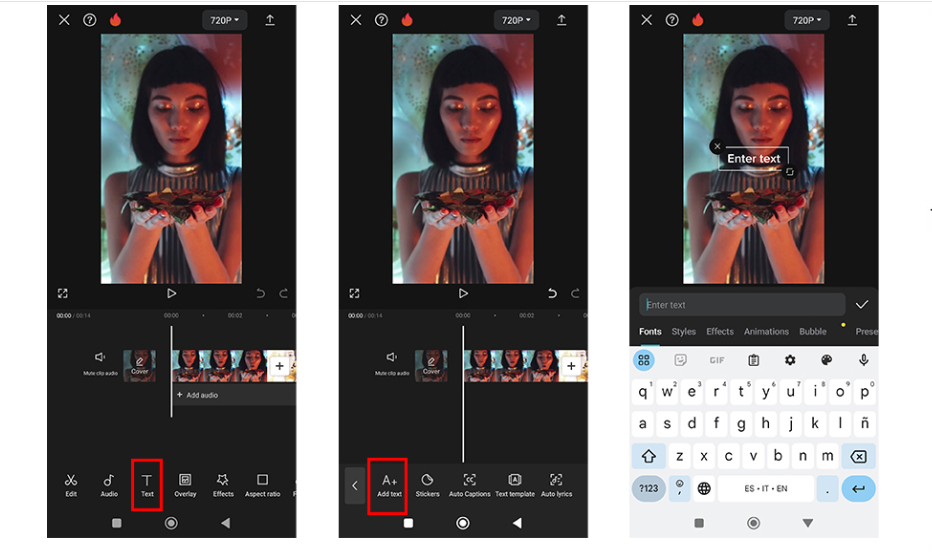
You don’t need Adobe Premiere Pro to make professional edits. Free tools like CapCut, VN Editor, and DaVinci Resolve offer all the essentials — trimming, transitions, captions, and even AI motion tracking.
For short-form videos, apps like InShot or Splice are perfect for adding quick text overlays, sound effects, or logo animations.
4. Use AI to Boost Productivity
AI is the new video assistant every small business needs. Tools like Pictory, Runway, or Descript can automatically generate video scripts, remove filler words, add subtitles, or even create highlight reels from long videos.
They’re perfect for founders who don’t have time for heavy post-production — you focus on content, AI handles the rest.
5. Keep It Short and Story-Driven
Attention spans are shrinking, but curiosity still works wonders.
Aim for 30–60 seconds per video — long enough to tell a story, short enough to hold attention. Start with a hook in the first 3 seconds, deliver your key message quickly, and end with a clear call-to-action (“Shop Now,” “Learn More,” “Visit Us,” etc.).
Promoting Your Videos for Maximum Reach
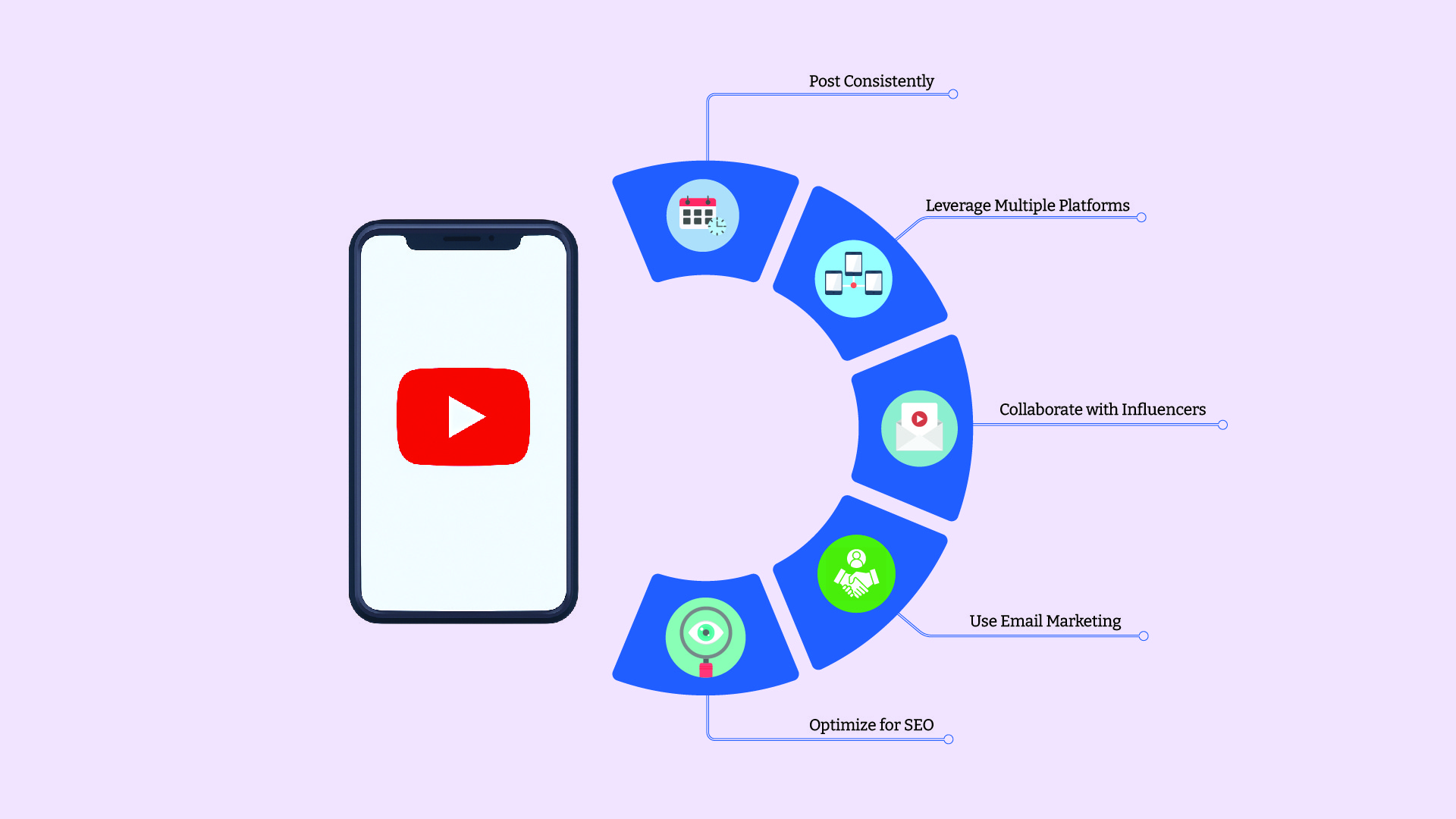
1. Post Consistently
Don’t post once and disappear. Algorithms reward regularity. Start with one video a week and scale up.
2. Leverage Multiple Platforms
Post natively on YouTube, Instagram Reels, LinkedIn, and TikTok. Each platform’s algorithm favors organic content tailored to it.
3. Collaborate with Influencers
Micro-influencers (with 10K–100K followers) often deliver better engagement for small brands at a fraction of the cost.
4. Use Email Marketing
Include video thumbnails in newsletters. Videos in emails can increase click-through rates by 300%.
5. Optimize for SEO
Use keywords in your title, description, and tags — like compete with big brands using video marketing — to rank higher on search.
The Future of Video Marketing for Small Businesses
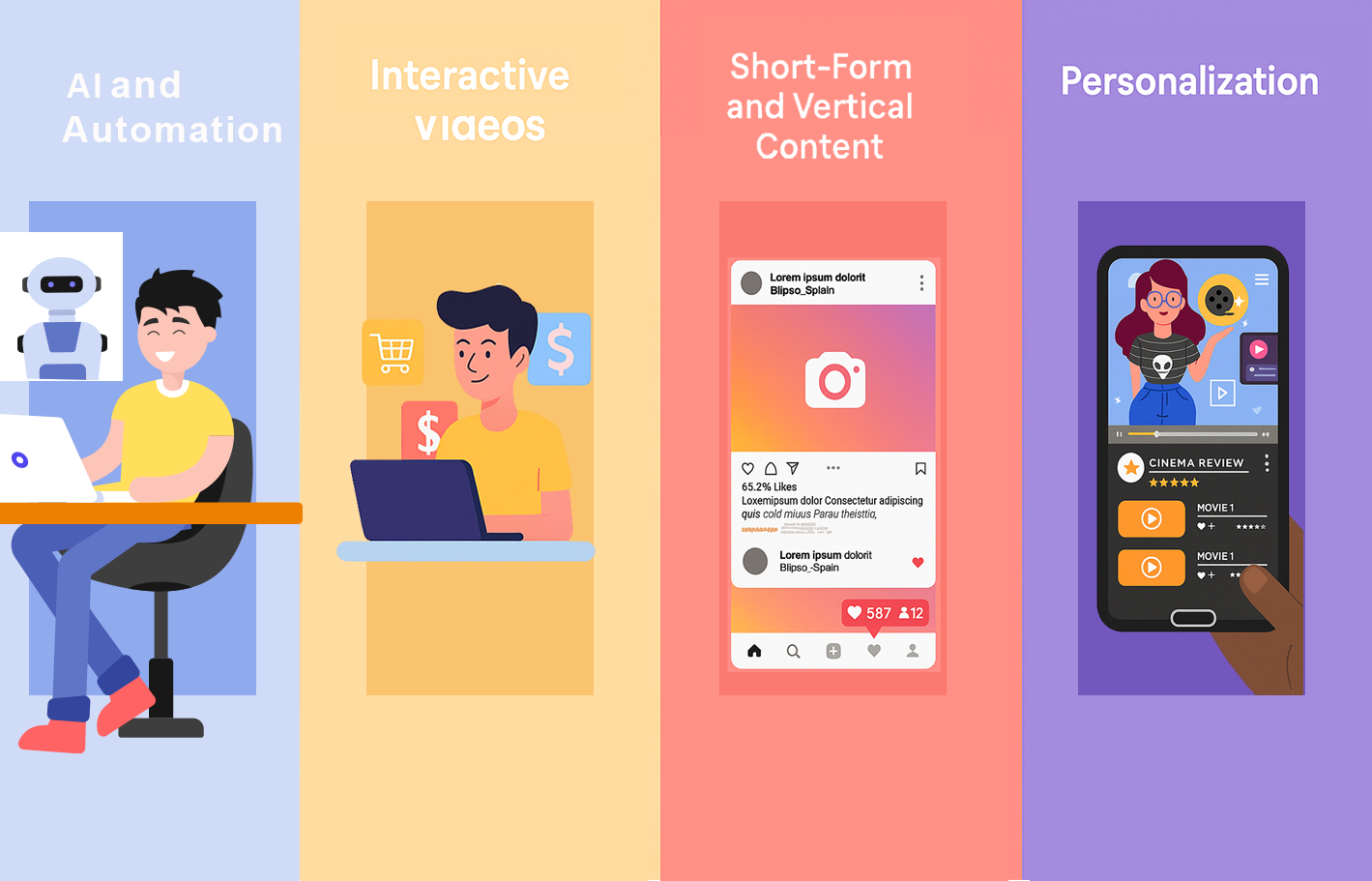
1. AI and Automation
AI-generated scripts, subtitles, and editing tools are cutting production time dramatically. Small businesses can now produce videos faster and smarter.
2. Interactive Videos
Clickable CTAs, quizzes, or branching storylines are making videos more engaging and conversion-focused.
3. Short-Form and Vertical Content
Platforms like Instagram Reels, YouTube Shorts, and TikTok will continue to dominate, making short, authentic clips the future of brand storytelling.
4. Personalization
Smart algorithms now tailor videos to individual users. Businesses using data to personalize their content will win big.