
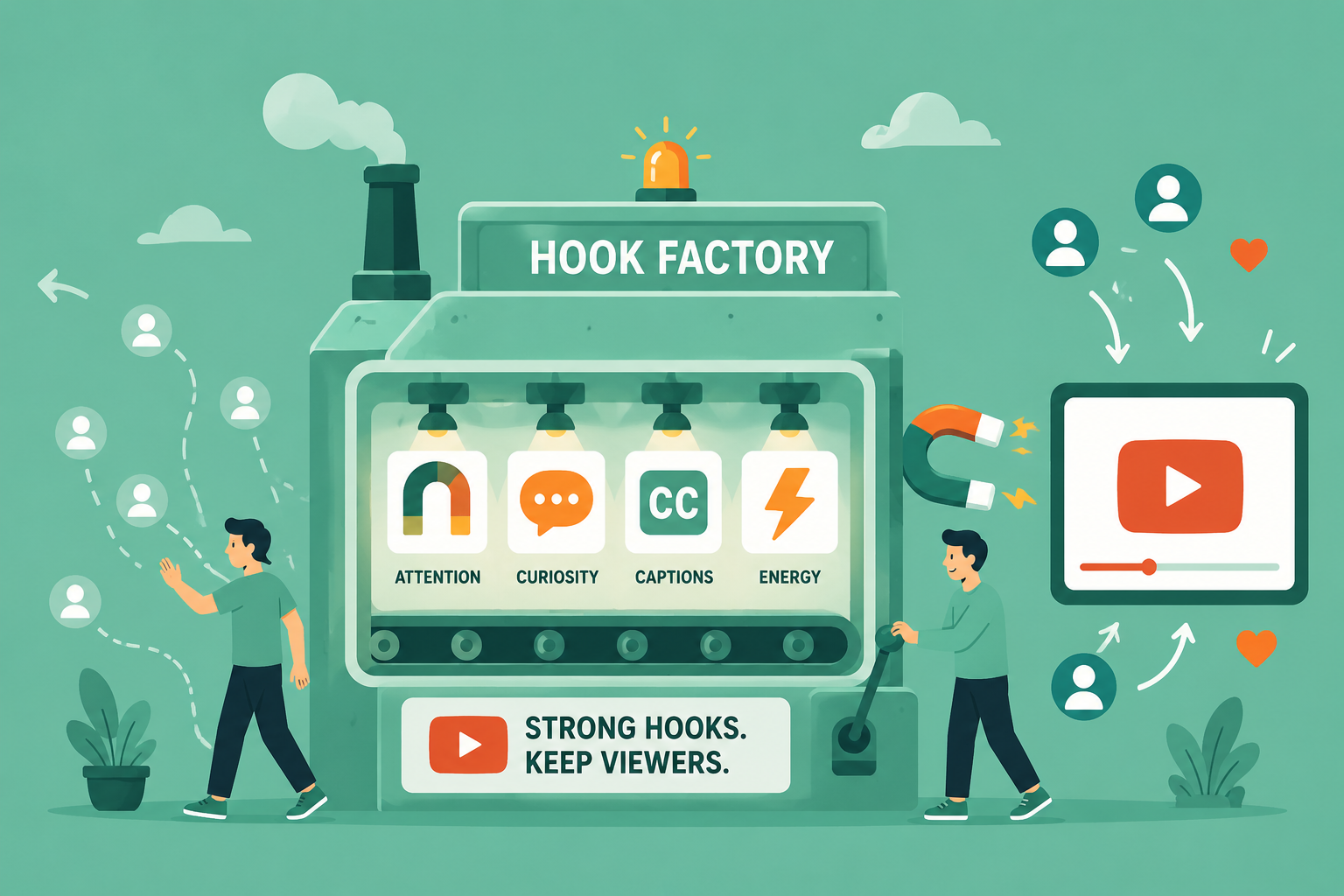
YouTube Video Hook: How to Improve Video Retention

Table of Contents
You can spend hours writing a script, improving your editing, designing thumbnails, and creating high quality visuals, but none of that guarantees success anymore. In 2026, viewers decide within seconds whether your content deserves attention.A strong YouTube video hook now plays a huge role in whether viewers keep watching or scroll away instantly.
That’s the biggest shift modern creators need to understand.
Platforms like YouTube Shorts, Instagram Reels, and TikTok have completely changed the way people consume content online. Audiences now scroll faster, judge content instantly, and leave the moment a video feels slow, confusing, repetitive, or boring.
Research suggests that nearly 20% of viewers leave within the first 10 seconds if the opening fails to capture interest. That means creators often lose viewers before delivering the actual value of their content.
Today, the opening moments of a video affect far more than just views. They directly influence watch time, audience retention, engagement signals, and how aggressively YouTube recommends your content to new viewers. In many cases, the first 10 seconds decide whether a video grows or disappears.
This shift affects every kind of content, from educational channels and podcasts to brand marketing and even a professional SaaS Explainer Video. Whether you are an independent creator or working with an experienced explainer video company, understanding viewer retention psychology is now essential.
The first 10 seconds are no longer just an introduction.
They are the audition.
How Viewer Attention Changed in the Age of Shorts
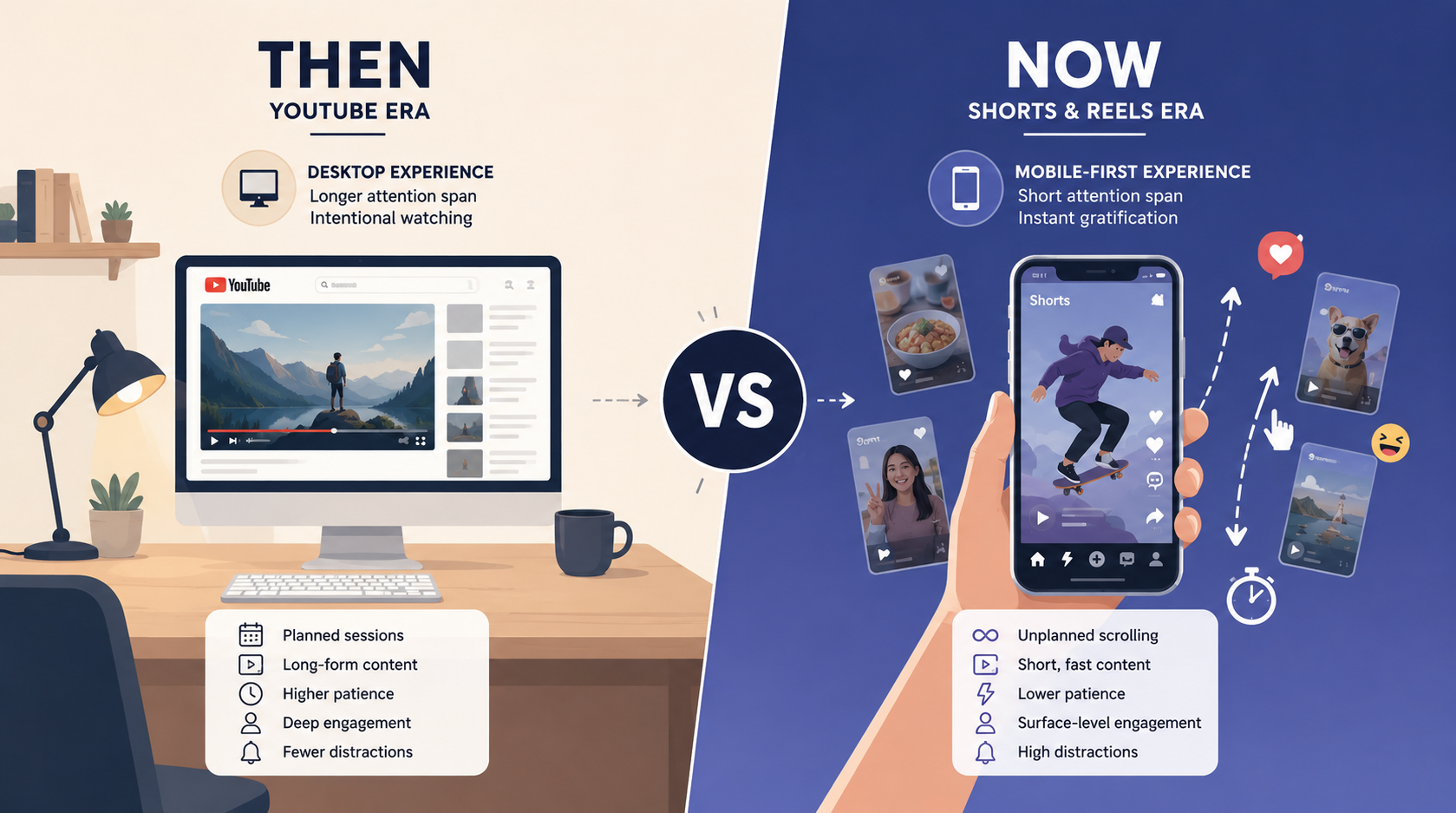
A few years ago, creators could slowly introduce themselves, use long logo animations, and spend time building up to the main topic. Audiences were more patient because content competition was lower and viewers consumed videos differently.
That is no longer true.
Modern viewers are heavily influenced by shortform platforms like YouTube Shorts, TikTok, and Instagram Reels. These platforms trained users to consume content rapidly and make split second decisions about what deserves attention.
Shortform video marketing has completely reshaped how audiences consume content across YouTube, Instagram, and TikTok, especially in fast-scroll environments.
The ScrollFirst Mentality
Today’s audiences no longer approach videos with patience because their brains are already in scrolling mode.
The moment a video starts, viewers subconsciously ask:
“Why should I keep watching this?”
If the answer is unclear, they leave instantly.
This affects every type of content online, including tutorials, podcasts, educational channels, business videos, gaming content, and even a Custom explainer video. Creators today are not just competing against other creators anymore. They are competing against endless scrolling behavior itself.
That’s exactly why the first few seconds matter so much in 2026. If your opening fails to create curiosity, emotion, or immediate value, viewers move on before your real content even begins.
For deeper insights into changing audience behavior and creator trends, YouTube Culture & Trends regularly publishes useful platform research and viewer insights.
Why Most YouTube Videos Lose Viewers So Quickly
Most YouTube videos do not fail because the information is bad. They fail because viewers never stay long enough to reach the valuable part.
Modern audiences make extremely fast decisions.Most creators underestimate the power of a YouTube video hook.Platforms like YouTube Shorts, Instagram Reels, and TikTok trained viewers to expect instant value, fast pacing, and immediate engagement. If a video feels slow, confusing, or visually boring in the beginning, people leave almost instantly.
That’s why even high quality videos often struggle with retention.
Slow Intros Kill Momentum
One of the biggest reasons viewers leave early is slow pacing.
Many creators spend too much time introducing themselves, greeting the audience, or slowly building up to the topic. While this style worked years ago, modern audiences now expect immediate context and instant value.
If viewers feel the video is taking too long to reach the point, they assume the rest of the content will also feel slow.
That’s why successful creators often start with the most interesting moment first instead of slowly warming up the audience.
Long Logo Animations Hurt Retention
Many creators still think logo animations make videos feel professional.
In reality, they often reduce retention.Most viewers care more about useful or entertaining content than branding sequences. A fivesecond intro may seem short, but in modern scrolling culture, it feels long enough for viewers to leave.
That’s why many successful creators completely removed long intros and replaced them with faster, valuedriven openings.
Weak Energy Makes Videos Forgettable
Energy strongly affects viewer attention.
Even useful information feels boring when the delivery lacks emotion, urgency, or enthusiasm. Voice tone, pacing, expressions, editing rhythm, and camera movement all influence how audiences emotionally react to content.
Low energy openings create instant disconnection, especially when viewers are already surrounded by highly stimulating content online.
Poor Audio Creates Distrust
Bad sound quality damages retention faster than average visuals.
Echo, background noise, unclear speech, or inconsistent volume subconsciously reduce viewer trust. Many people leave videos within seconds simply because the audio experience feels unpleasant.
In many cases, viewers tolerate average visuals much more easily than poor sound.
Clickbait Without Payoff Creates Fast DropOff
A misleading title or thumbnail may increase clicks temporarily, but it destroys retention.
If viewers expect excitement but the opening feels generic or unrelated, they leave immediately. YouTube notices these retention drops quickly and becomes less likely to recommend the video further.
Successful creators understand that the goal is not fake hype. The goal is delivering on the promise quickly enough to keep viewers interested.
Why Audience Retention Matters More Than Views
Many creators still obsess over view counts, but modern platforms care much more about audience retention. Getting clicks is no longer enough because platforms like YouTube, Instagram, and TikTok now prioritize content that keeps viewers watching longer.
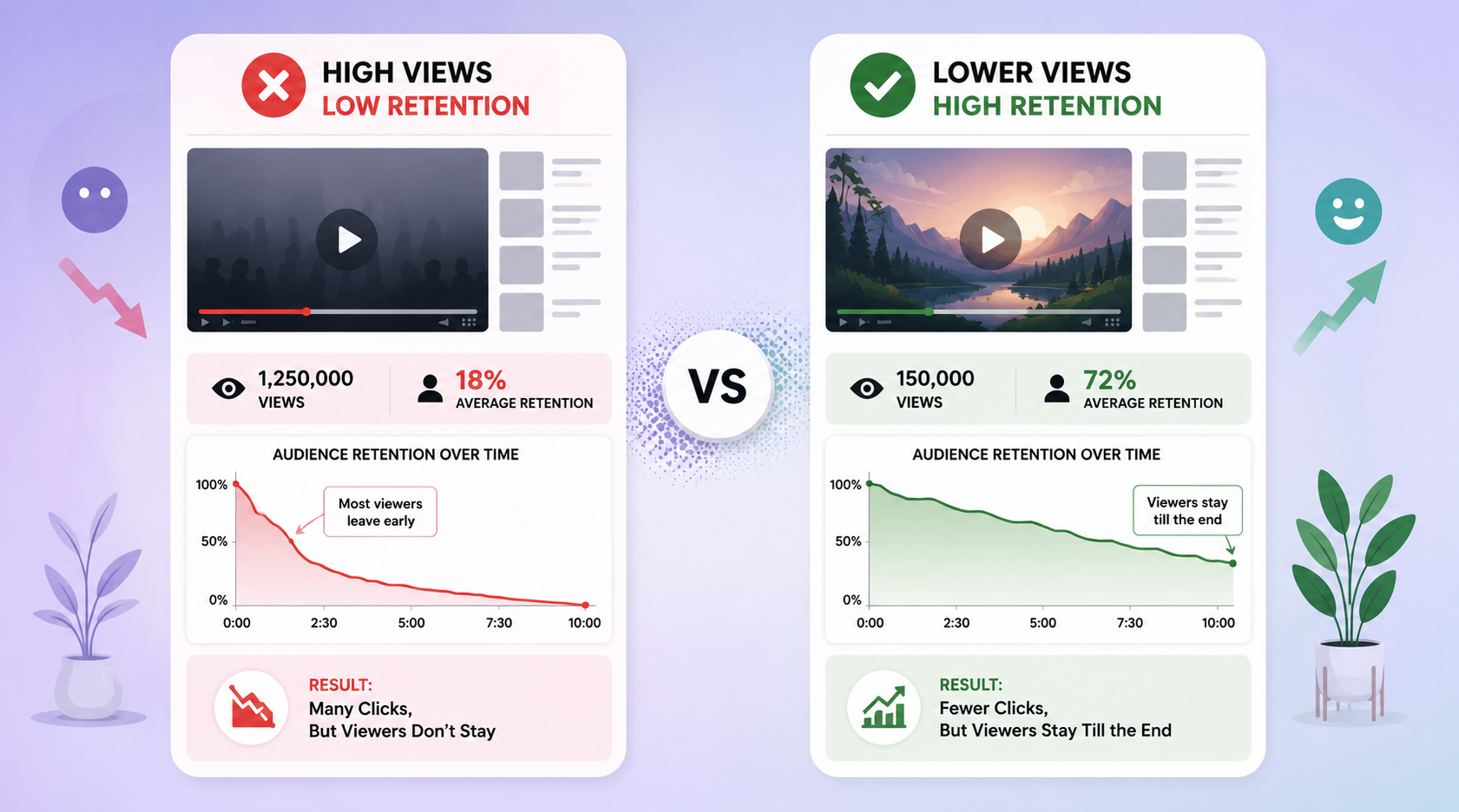
YouTube carefully studies audience retention curves to understand how audiences react to videos. The platform tracks:
- how long viewers stay,
- where they leave,
- which moments increase engagement,
- and whether viewers continue watching more content afterward.
If viewers leave immediately, YouTube assumes the content failed to satisfy expectations. But when people stay longer than expected, the algorithm becomes far more likely to recommend the video to larger audiences.
Retention Is the New Growth Metric
In 2026, strong retention often matters more than raw traffic. A creator with average production quality but excellent retention can outperform creators using expensive visuals, cinematic editing, or flashy production but weak hooks.
Instagram and Facebook now operate similarly. Platforms increasingly prioritize:
- watch duration,
- shares,
- saves,
- replays,
- and engagement signals.
According to Meta’s Creator Resources, videos that hold attention early are significantly more likely to reach wider audiences.
In simple terms, attention is now the real currency of modern content platforms.
The Psychology Behind Powerful Video Hooks
Strong video hooks work because human brains naturally react to curiosity, emotion, movement, tension, and surprise. Modern viewers process content extremely fast, especially on platforms like YouTube Shorts, Instagram Reels, and TikTok. If a video fails to create interest immediately, people scroll away before the real value even begins.
Successful creators understand that viewers do not need full explanations instantly. They simply need a strong reason to continue watching. That reason is usually emotional rather than logical.
The most effective hooks often create:
- curiosity
- emotional tension
- surprise
- urgency
- suspense
- or excitement.
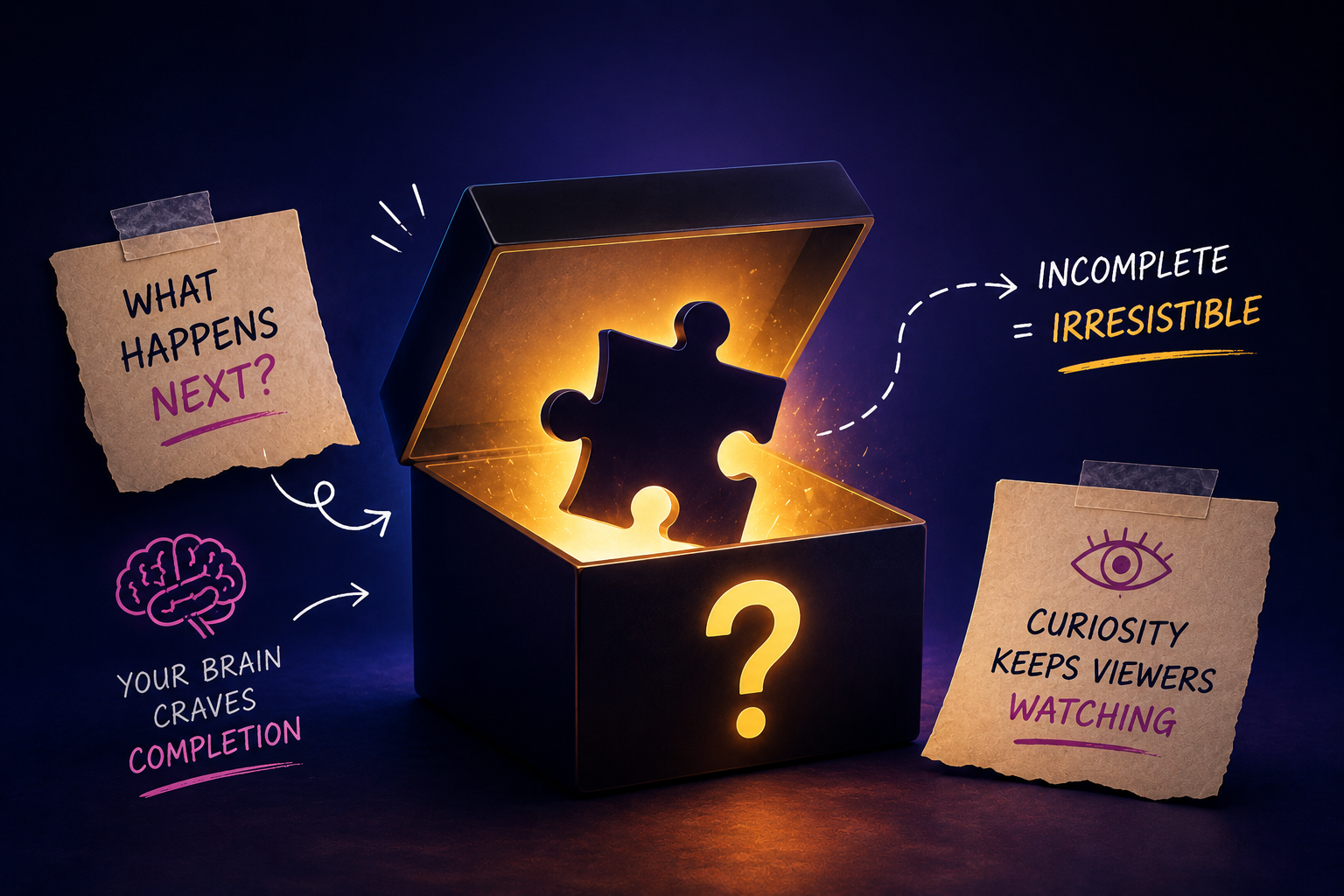
One of the most powerful retention techniques is the curiosity gap. This happens when creators intentionally leave information incomplete so viewers feel the need to continue watching for answers.
For example:
“This mistake destroyed my retention.”
“Most creators lose viewers here.”
These types of openings work because the brain naturally wants closure. Viewers continue watching to complete the missing information.
Strong emotional reactions also improve retention because emotions naturally increase attention. Hooks that create shock, fear, excitement, or suspense usually perform better than flat informational openings.The best YouTube video hook quickly builds emotional tension.
Visual movement also plays a major psychological role in retention. Captions, zoomins, motion graphics, fast cuts, and pattern interrupts help keep the brain stimulated during the opening moments. Static intros often feel slow in today’s fastscroll environment.
That’s why many successful creators combine:
- emotional hooks
- curiosity gaps
- visual movement
- and fast pacing
within the first few seconds of a video.
The goal is simple: make viewers emotionally invested before they scroll away.
Why Traditional YouTube Intros Feel Outdated
For years, creators followed the same opening formula:“Hey guys, welcome back to my channel…”
That style worked when content competition was lower and audiences had fewer viewing options. Viewers were more patient, and platforms were not as heavily driven by retentionfocused algorithms.
But modern content consumption works very differently.
Today’s audiences expect creators to reach the point almost immediately.A YouTube video hook matters more today than ever before. Platforms like YouTube Shorts, TikTok, and Instagram Reels trained viewers to consume content at high speed, which means slow introductions now feel outdated in many situations.
Long greetings, cinematic intros, and unnecessary setup often reduce retention because viewers already expect instant value. If the beginning feels slow, audiences assume the rest of the video will also move slowly.
That’s why many creators completely changed how they structure openings.
The Rise of FlashForward Openings
Many successful creators now show the most exciting or valuable moment first instead of slowly building toward it.
For example:
- a fitness creator may reveal transformation results before explaining the process,
- a business creator may show dramatic growth results before discussing strategy,
- and a tech creator might reveal the final verdict before reviewing the product.
This style works because viewers instantly understand why the content matters. It quickly creates curiosity and gives audiences a reason to continue watching.
Modern creators understand that the opening no longer exists to introduce the creator.It exists to retain attention.
How Visual Movement Improves Viewer Retention
Visual pacing strongly influences audience retention, especially in today’s mobilefirst content environment. Modern viewers constantly consume fastmoving content on platforms like YouTube Shorts, Instagram Reels, and TikTok, which means static openings often feel slower than they actually are.
That does not mean every video needs chaotic editing, but movement matters far more than it did a few years ago.
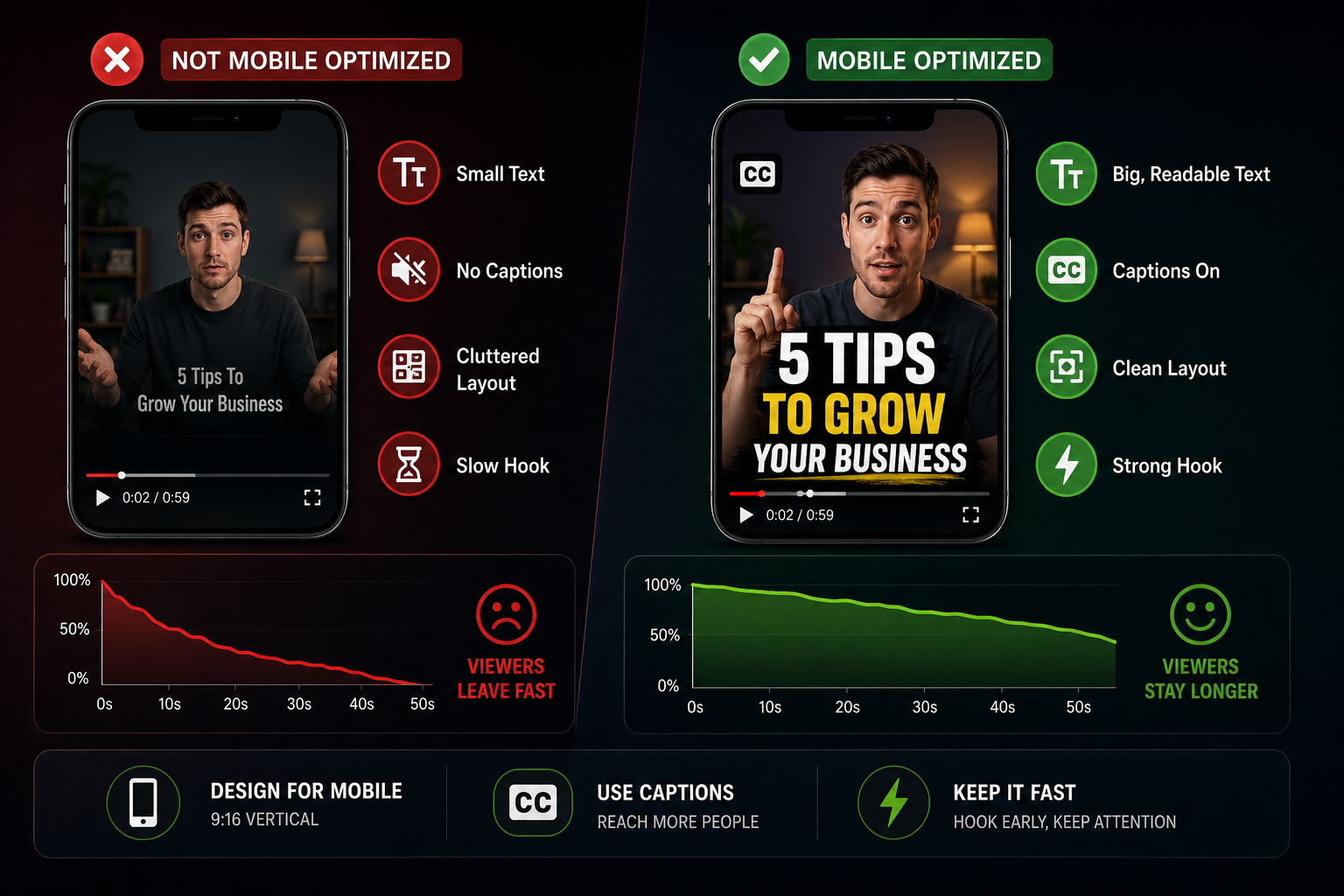
Successful creators often use:
- captions
- zoomins
- overlays
- jump cuts
- motion graphics
- and camera movement
to maintain viewer attention during the opening moments of a video.
These visual elements help keep the brain stimulated and prevent the content from feeling visually flat. Even small movement changes can make videos feel faster, more energetic, and more engaging.
Pattern Interrupts Stop Scrolling
Pattern interrupts are especially effective because they break normal scrolling behavior. A surprising visual, sudden sound, unusual camera angle, or bold statement instantly grabs attention because it feels different from surrounding content.
Modern audiences scroll through huge amounts of content every day, so videos that visually blend in are easier to ignore. Pattern interrupts help creators stand out during those critical opening seconds.
Strong First Frames Matter
The very first visual frame can heavily influence retention. If the opening frame looks visually boring, viewers often leave before hearing the first sentence.
That’s why many successful creators carefully design the first frame of their videos to create immediate curiosity or visual interest.
This is also one reason visually engaging formats like an Infographics Explainer Video perform well online. They communicate information quickly while maintaining movement, clarity, and visual energy.
For visual storytelling inspiration and design ideas, Canva Design School offers useful examples and creative resources.
How Shorts and Reels Changed LongForm YouTube Content
Shortform content permanently changed viewer expectations online. Platforms like YouTube Shorts, TikTok, and Instagram Reels trained audiences to consume content much faster than before, which completely changed how people react to videos.
- Modern viewers now expect:
- faster pacing,
- quicker value delivery,
- earlier emotional payoff,
- and stronger hooks.
This shift does not only affect shortform videos. It also changed how audiences watch longform YouTube content.
Even when someone clicks on a 20minute YouTube video, their brain still expects immediate value during the opening moments. If the beginning feels slow or uninteresting, viewers often leave before the content truly begins.
The First 3 Seconds Are Critical
Research shows that around 65% of viewers who continue watching after the first three seconds often stay for at least 10 seconds. That means surviving those opening moments dramatically improves your chances of increasing retention later in the video.
This is why creators now spend far more time improving the beginning of their videos instead of relying only on editing quality or production value.
Modern Audiences Expect Faster Content
Creators today optimize:
- firstf rame visuals
- subtitles
- emotional tension
- pacing
- and opening lines
- far more aggressively than before.
Modern audiences are constantly exposed to highly stimulating content, so videos now need to create interest much faster to compete for attention.
The first 10 seconds now function like a gateway. If you hold attention early, viewers are far more likely to continue watching. But if the opening fails to create curiosity or emotional engagement, recovery becomes extremely difficult.
The Most Effective Hook Strategies Creators Use Today
Successful creators spend enormous time refining their openings because they understand one important truth:
A weak hook destroys retention.
Modern audiences decide extremely fast whether a video deserves attention, which is why strong openings have become one of the biggest factors behind successful content. The goal of a hook is not just to grab attention for a moment. It is to create enough curiosity and emotional interest to keep viewers watching.
Many high performing creators use a combination of proven hook strategies during the first few seconds of a video.
Bold Statements
Strong opinions or surprising claims instantly create emotional reactions because they feel unexpected or controversial. For example:
“Most YouTube growth advice is outdated.”
This type of opening immediately creates
curiosity because viewers want to understand why the creator believes that statement is true.
FlashForward Editing
Flashforward openings show the outcome before the explanation. Instead of slowly building toward the result, creators reveal the most exciting part first to increase curiosity immediately. This strategy works especially well in fitness videos, business content, tutorials, and transformation style videos because viewers instantly understand why the content matters.
CuriosityDriven Questions
Questions naturally encourage viewers to mentally engage with the content. Openings like:
“Why do most YouTube videos lose viewers so quickly?”
instantly make audiences think about the answer, which helps keep attention longer.
Conflict and Tension
Mistakes, disagreements, challenges, urgency, and emotional tension are powerful retention triggers because humans are naturally drawn toward conflict and resolution. That’s why openings involving failures, controversial opinions, dramatic challenges, or unexpected problems often perform extremely well online.
Fast Context Delivery
Successful creators quickly explain why viewers should care about the video.Every successful YouTube video hook focuses on immediate engagement. They avoid unnecessary introductions and immediately establish value during the opening moments.
This same strategy is heavily used by the best explainer video companies because business audiences also make fast attention decisions.
The principle remains simple:capture attention first, explain later.
Why Captions and Mobile Optimization Matter More Than Ever
A huge percentage of viewers initially watch videos without sound, especially on platforms like Instagram Reels, TikTok, and YouTube Shorts. That’s why captions have become extremely important in modern content creation.
Onscreen text improves:
- accessibility
- clarity
- comprehension
- and retention.
Captions also help viewers follow fast paced editing more easily, especially when creators use quick cuts, visual movement, or high energy pacing. In many cases, subtitles keep viewers engaged long enough to understand why the content matters.
MobileFirst Viewing Is the New Standard
Most video consumption now happens on phones, which means creators must optimize content for smaller screens. If visuals feel cluttered, text becomes difficult to read, or important information appears too small, viewers quickly lose interest.
This is especially important for businesses producing:
- tutorials
- educational videos
- social media campaigns
- and a 2D animated explainer video designed for mobile audiences.
Modern creators now design videos with mobilefirst viewing behavior in mind because retention heavily depends on readability, visual clarity, and pacing.
For more insights into video marketing trends and audience behavior, HubSpot Video Marketing Guide provides useful examples and research.
You can also explore related internal topics like:
“The Short Video Marketing Funnel”
“Shorts vs. Long Form”
“How Animated Infographics Can Simplify Complex Data for Your Audience”
to better understand how visual storytelling improves engagement and retention.
Why the First 10 Seconds Decide Everything
The way people watch content online has completely changed. Viewers now scroll faster, judge content instantly, and leave the moment a video feels slow or uninteresting. That’s why the first few seconds matter more than ever on platforms like YouTube, Instagram Reels, and TikTok.
A strong opening is no longer optional. It directly affects:
- audience retention
- watch time
- engagement
- and algorithm reach.
Creators who understand this shift focus heavily on hooks, pacing, emotional tension, and visual movement because they know attention must be earned immediately.
Whether it’s a YouTube tutorial, podcast clip, educational channel, SaaS Explainer Video, or a professionally made 2D animated explainer video, the same rule applies everywhere:
if viewers do not care within the first few seconds, they usually leave before the real value begins.
That’s why modern content creators spend so much time improving openings. In today’s fastscroll environment, the beginning of a video often matters more than the rest of it.
Consistency Matters More Than Virality
In the world of personal branding for doctors, consistency often delivers better long-term results than virality. While one viral post may bring temporary attention, it rarely builds lasting trust or meaningful patient relationships.
Patients trust familiarity.
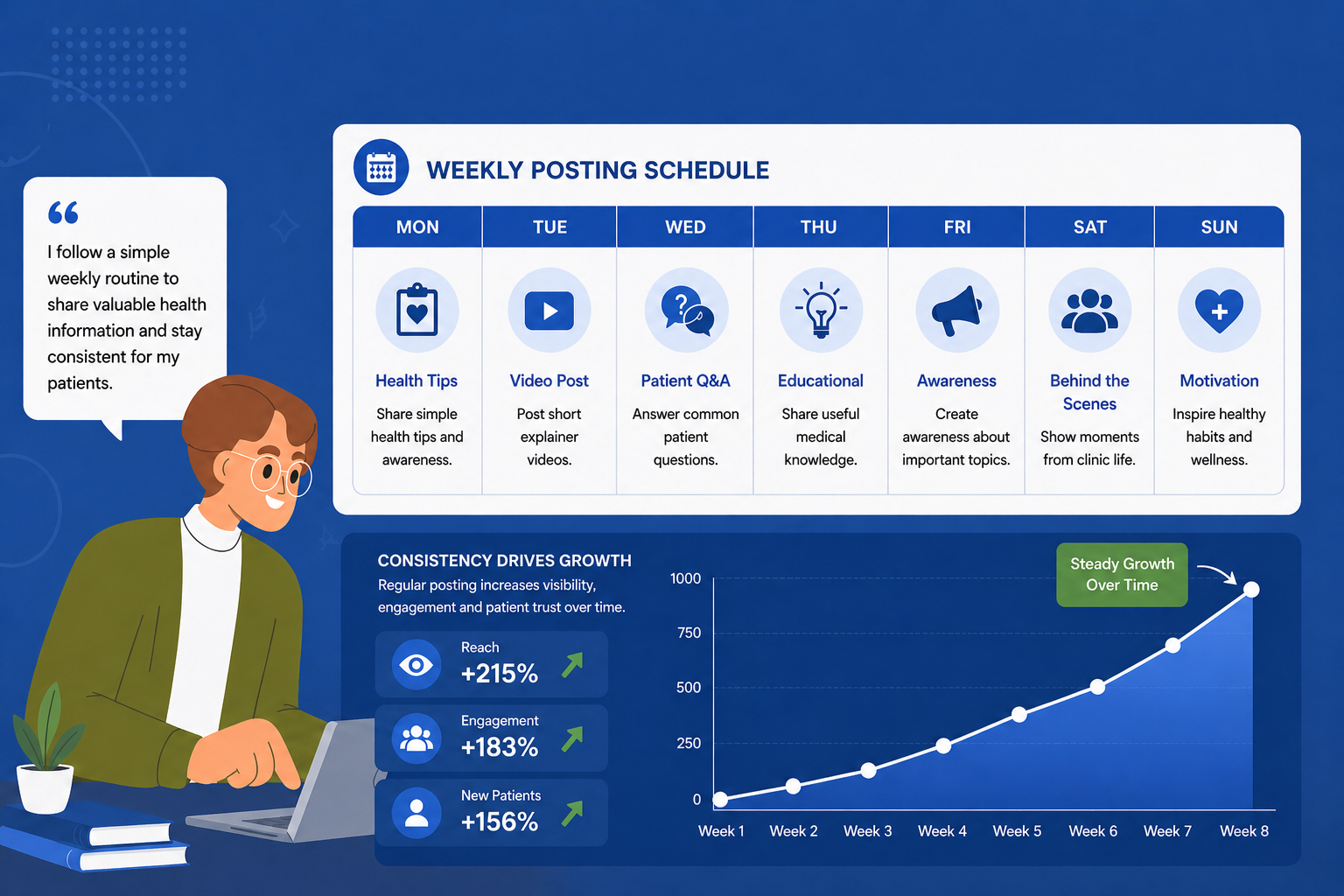
When people repeatedly see useful, educational, and reassuring content from the same doctor, trust builds naturally over time. Regular visibility creates recognition, and recognition creates confidence. A doctor who consistently shares valuable insights becomes more memorable than one who gets millions of views once and then disappears.
This is why consistency matters so much in healthcare marketing.
A doctor posting one helpful blog every week, sharing regular educational updates on social media, and staying active on professional platforms often builds a stronger and more credible online presence than someone relying on occasional viral content. Consistency signals reliability, and reliability is one of the most important qualities patients look for in a healthcare provider.
Consistent content creation also improves long term SEO and audience engagement. Search engines tend to reward websites that publish fresh, relevant content regularly. At the same time, audiences begin to expect and look forward to your updates. Whether it’s a blog post, an educational video, or a short health tip, every piece of content adds to your authority over time.
In simple terms, one viral post may create awareness but consistent content builds a brand.
Ethical Communication Builds Long Term Trust
In healthcare, communication carries far more responsibility than it does in most other industries. Doctors are not just creating content to attract attention they are sharing information that can influence decisions, emotions, and even patient behavior. That’s why ethical communication is a critical part of personal branding for doctors.
Patients trust doctors for accurate, responsible, and professional guidance. A single misleading post, exaggerated claim, or fear-driven message can damage credibility and weaken trust.
Doctors must communicate carefully online.
Healthcare content should always aim to educate, reassure, and inform not create panic or confusion. According to the World Health Organization, misinformation in healthcare can negatively impact public understanding and decision-making, which makes ethical communication more important than ever.
Doctors should avoid practices such as:
- fear based marketing that creates unnecessary anxiety,
- exaggerated claims or unrealistic promises,
- sharing patient identifiable information without consent, and
- offering personalized medical advice in public posts.
The goal should always be education not panic, sensationalism, or clickbait.
When doctors consistently share honest, responsible, and valuable information, they build long-term credibility and stronger patient trust. In healthcare, trust is not built through viral tactics. It is built through professionalism, empathy, and ethical communication.
The Best Doctor Brands Feel Human
At the heart of every successful healthcare brand is trust. Patients are not looking for trends, virality, or entertainment when choosing a doctor. They are looking for someone who feels knowledgeable, professional, and reassuring.
Strong personal branding for doctors is not about becoming an influencer or chasing social media trends. It’s about building trust, authority, and meaningful patient relationships through clear communication and valuable content.
Doctors who consistently educate, communicate ethically, and show genuine empathy can build strong personal brands online without following trends. In healthcare, the most trusted doctor often becomes the most chosen doctor and that is the true power of personal branding for doctors.
Unlock the power of captivating visuals with our seasoned expertise! With 7 years of crafting compelling visual content, we’re ready to elevate your brand’s story. From stunning graphics to mesmerizing animations, we bring your vision to life. Let’s create engaging visuals that resonate with your audience and leave a lasting impression. Partner with us today for an unforgettable visual journey!
