

Learn to Increase Conversion Rate by Fixing Your Video Ads

Table of Contents
Ad videos are supposed to attract attention, build interest, and push viewers toward taking action. In theory, video marketing should be the easiest way to convert cold audiences into customers — after all, video is the most consumed and engaging content format on the internet. But in reality, many brands are frustrated because their videos get views… yet no clicks, no sign-ups, no leads, and no sales.
If you’ve ever found yourself asking “why ad videos don’t convert,” you’re not alone. It’s one of the most common struggles businesses face in digital marketing. You might spend hours writing a script, planning visuals, shooting footage, editing with fancy transitions, or adding emotional music — only to watch your results flatline. The video looks good, but it doesn’t perform.
And here’s the truth nobody wants to admit:
Videos don’t convert just because they exist. They convert because they’re built strategically.
Most ad videos fail not because of budget or tools, but because they overlook critical psychological triggers, storytelling principles, audience insights, and structural elements that drive action. Sometimes the message is unclear. Sometimes the hook is weak. Sometimes the video feels robotic, too corporate, or overloaded with information. And sometimes, the biggest problem is that brands don’t understand the people they’re actually talking to.
Every one of these problems has a solution. And once you know what’s going wrong — and how to fix it — your video performance can change dramatically.
In this article, we’ll break down the real reasons why ad videos don’t convert and show you exactly how to transform your videos into high-performing, action-driving assets. Whether you’re a marketer, a business owner, or a content creator, these insights will help you create videos that not only get watched — but get results.
You Don’t Truly Understand Your Audience
One of the biggest reasons why ad videos don’t convert is surprisingly simple: most brands don’t actually know who they’re speaking to. They think they do — but they don’t. And when your understanding of your audience is shallow or inaccurate, your message becomes vague, generic, or completely misaligned. The result is predictable: viewers ignore your content, engagement drops, and conversions collapse.
Audience understanding is not a creative afterthought. It is the foundation of every high-performing video. But many brands skip this step because it feels slow, tedious, or overly analytical. They prefer to jump into production, write scripts based on assumptions, and hope their instincts are right. Unfortunately, this “guesswork approach” is the marketing equivalent of throwing darts in the dark. You might get lucky once, but you’ll miss the target most of the time.
A major problem is that businesses often convince themselves they “already know” their audience. They rely on assumptions like:
- Our customers want this feature.
- People care about this benefit.
- Everyone understands the problem we solve.
These assumptions feel comfortable — but they are dangerous.
Assumptions create blind spots.
And blind spots kill conversions.
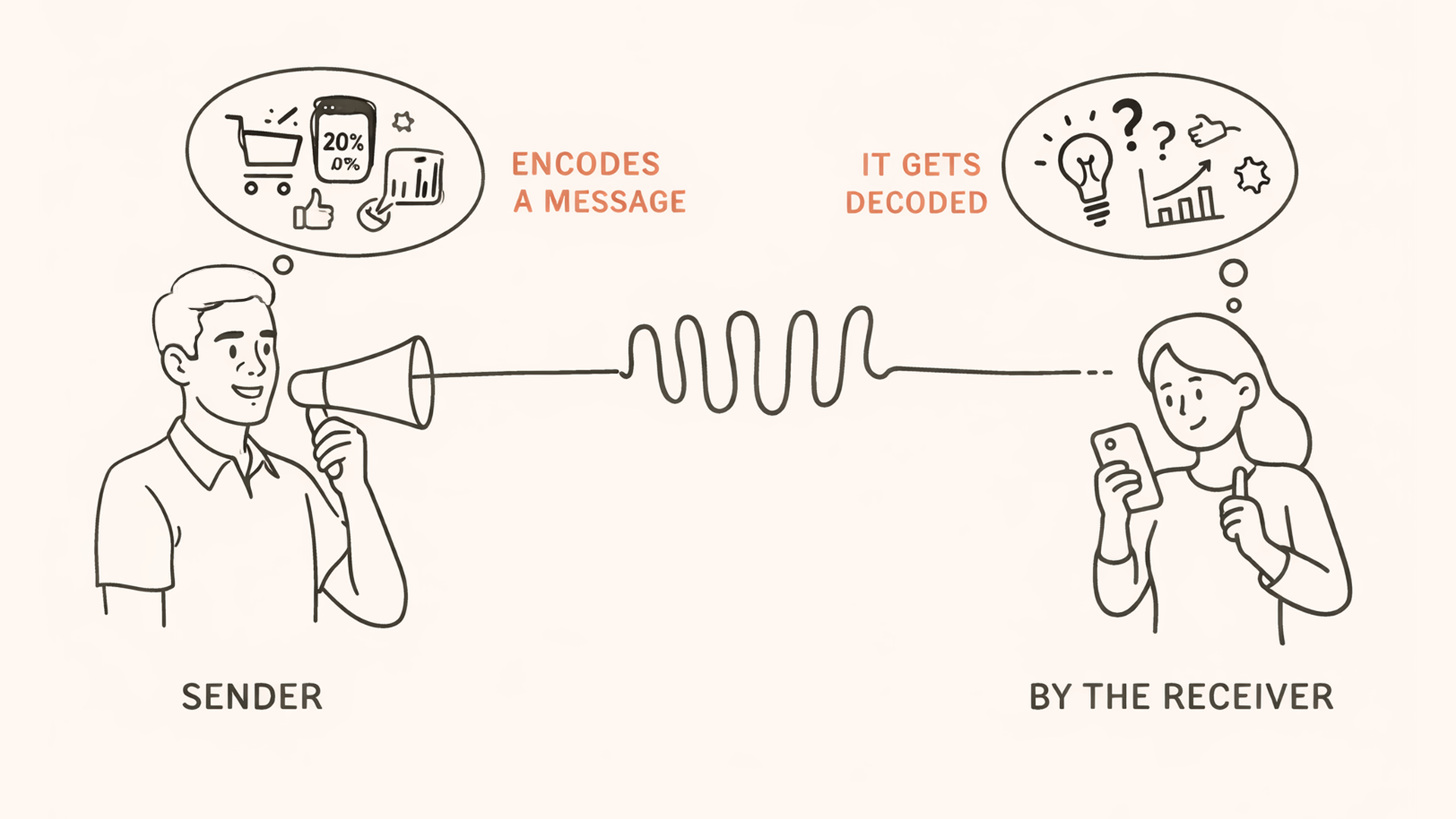
Different audiences have different expectations. Even within your own funnel, viewers are not all at the same stage of awareness. For example:
- Top-funnel viewers want a quick emotional hook. They don’t know you yet, and they’re not patient.
- Mid-funnel viewers want clarity. They understand the problem but are still evaluating solutions.
- Bottom-funnel viewers want trust and proof. They need validation before taking action.
If you deliver the wrong message to the wrong stage —for example, giving top-funnel viewers a detailed feature breakdown — they simply scroll away. The video fails not because the content was bad, but because the audience wasn’t understood.
To create videos that actually convert, you need a deep, specific, emotional understanding of your audience. This includes:
- Their pain points — What frustrates them on a daily basis?
- Their desires and motivations — What do they truly want to achieve or feel?
- Their buying objections — What fears or doubts stop them from acting?
- Their preferred video style — Do they prefer fast-paced content, emotional storytelling, or simple explainers?
- Their problems you can solve — What issues can your product fix better than anyone else?
These insights shape the tone, pacing, visuals, script, hook, CTA, and even the length of your video. Without them, your content may look professional and polished but still fail to connect emotionally — and when there’s no connection, there’s no conversion.
Understanding your audience isn’t optional.
It’s the starting point of every effective ad video.
When you know exactly who you’re talking to, your messaging becomes sharper, your storytelling becomes stronger, your hook becomes more relevant, and your CTA becomes more compelling. And that’s when conversions finally begin to rise.
Your Hook Isn’t Strong Enough to Keep Viewers Watching
If you’ve ever wondered why ad videos don’t convert, the answer often shows up in the first two or three seconds. That tiny window determines whether someone keeps watching or scrolls past without thinking twice. In today’s attention-starved world, the hook is not optional—it’s the moment that decides if your video survives long enough to be understood.
Modern viewers scroll at lightning speed. They’re not sitting patiently, waiting for your story to warm up. They’re swiping, tapping, flipping between apps, and consuming content faster than ever. If your opening doesn’t make them pause, your video dies before it even gets started.
Weak hooks are one of the biggest reasons ads fail. When the introduction lacks immediate interest, urgency, or relevance, viewers respond in very predictable ways:
- They swipe away almost instantly
- They don’t watch long enough to understand the message
- Retention drops sharply
- Engagement becomes nonexistent
- Conversions collapse because people never see the CTA
In other words: a bad hook makes the rest of your video irrelevant. You could have brilliant storytelling, flawless editing, and a powerful CTA, but none of it matters if the viewer never gets past the first frame.
This is where brands repeatedly make the same mistakes. Instead of grabbing attention right away, they begin their videos with elements viewers don’t care about:
- Animated logos
- Long, dramatic intros
- Background shots with no purpose
- Company introductions
- Slow pacing or generic openings
While your brand is easing into the message, viewers are already swiping away. They don’t owe you their attention—you have to earn it.
A powerful hook does the opposite. It immediately connects, surprises, or challenges the viewer. It gives them a reason to stay just a little longer. To achieve this, your first few seconds should deliver one of the following:
- A relatable pain point that instantly makes the viewer think, “That’s exactly my problem.”
- A surprising reveal that catches their attention and makes them curious.
- An emotional conflict that taps into frustration, desire, or urgency.
- A curiosity trigger that makes the viewer want to see what happens next.
- Something visually unexpected that breaks the pattern of typical scrolling content.
The job of the hook isn’t to explain—it’s to stop the scroll.
Once you capture that split-second interest, your video gains the chance to build its message, deliver emotion, and eventually convert. But without a strong hook, the viewer never reaches the part where your video becomes meaningful.
When your hook is effective, watch time increases, retention rises, and conversions follow naturally. When your hook fails, the rest of the video doesn’t stand a chance—no matter how well-crafted it may be.
A high-converting video starts with impact, not introductions. The hook sets the tone, earns the attention, and invites the viewer into the story. And in a world where attention is the hardest currency to earn, your hook is your first—and most crucial—opportunity to win.
You’re Overusing Fancy Editing Instead of Clear Messaging
A lot of creators misunderstand what actually makes a video effective. They assume viewers will be impressed by dramatic transitions, flashy filters, heavy color grading, intense zooms, or complex animation effects — the kind of things that look great in a video editor’s portfolio. But what many forget is that your audience is not judging your editing skills. They’re trying to understand your message.
This misunderstanding is one of the most underrated reasons why ad videos don’t convert. All the fancy editing in the world can’t save a video if the viewer doesn’t grasp what you’re offering or why it matters.
Here’s the harsh truth:
You’re not trying to impress editors.
You’re trying to persuade buyers.
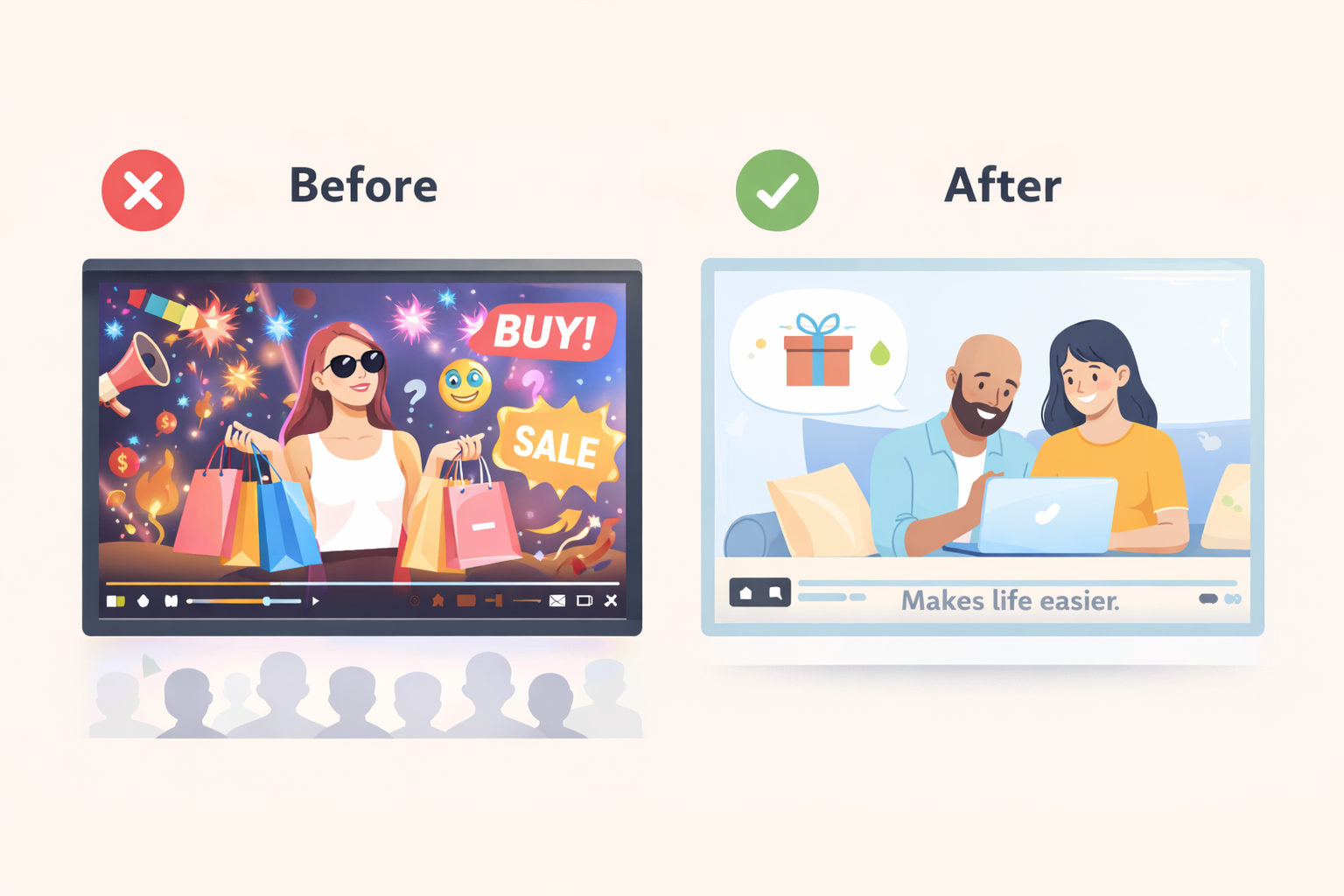
When editing becomes the star of the show, the message gets buried. Over-the-top visuals often create problems like:
- Visual clutter
Too many moving parts make it hard for viewers to focus on what matters. - Confusing sequences
Rapid transitions or chaotic cuts make the story difficult to follow. - Distracted messaging
The visuals overshadow the core idea, making it easy for viewers to miss the point. - Information overload
When the screen is packed with effects, text, and movement, viewers mentally tune out. - Unclear benefits
Fancy visuals can hide or dilute the actual value you’re trying to communicate.
Even top-tier brands have learned that simplicity wins. Clean, intentional, message-driven visuals outperform flashy edits because they help the viewer absorb information without distraction.
Take explainer videos, for example. A simple 2D animated explainer video or Infographics Explainer Video often converts far better than a high-budget cinematic ad. Why? Because these formats are designed to communicate clearly, quickly, and visually — not to overwhelm.
Sometimes, “simple” isn’t just better — it’s more powerful than “spectacular.”
When clarity becomes the priority, conversions naturally follow.
Your Storytelling Is Weak or Missing
One of the biggest reasons why ad videos don’t convert is simple: there’s no story. Most brands jump straight into features, specs, technical details, or brand claims, but forget the one element viewers actually connect with — emotion. When your video lacks a story, it becomes flat, cold, and forgettable. And forgettable videos never convert.
Facts don’t move people.
Feelings do.
Logic explains, but emotion persuades. A viewer might understand what your product does, but they only care when you show how it changes something meaningful in their life.
If your video doesn’t take viewers on an emotional journey, they won’t feel invested in your message. And if they don’t feel invested, they won’t take action — no matter how impressive your product is.
A high-converting story follows a simple but powerful narrative structure:
- The problem
Start with a relatable challenge or frustration. Make the viewer feel understood. - The tension or frustration
Show how the problem affects their life, business, time, or confidence. This builds emotional pressure. - The turning point
Reveal a shift — the moment the viewer realizes there is a better way. - Your solution
Introduce your product or offer as the clear answer to the problem. - A satisfying resolution
Show the transformation, the relief, the benefit, or the new experience your product creates. - A clear CTA
End with a direct next step so the viewer knows exactly what to do.
When a video follows this framework, it feels natural, engaging, and persuasive. Without this structure, the video ends up feeling like a digital brochure — overloaded with information but lacking any emotional pull.
Storytelling isn’t an optional “nice to have.”
It’s the heart of conversions.
Without a story, your video becomes just noise in an already crowded feed.
Your CTA Is Weak, Hidden, or Missing
A surprising number of brands put enormous effort into crafting beautiful visuals, emotional storytelling, and engaging scripts — but completely forget the most important part of the video: telling the viewer what to do next. This mistake alone explains a huge portion of why ad videos don’t convert. Without a strong CTA, viewers may enjoy your content… but they won’t take any action.
A CTA (Call to Action) isn’t just a tiny button thrown in at the end.
It’s the strategic bridge that transforms a passive viewer into an active lead, subscriber, or customer. When your CTA is missing or weak, your video becomes entertainment instead of a conversion tool.
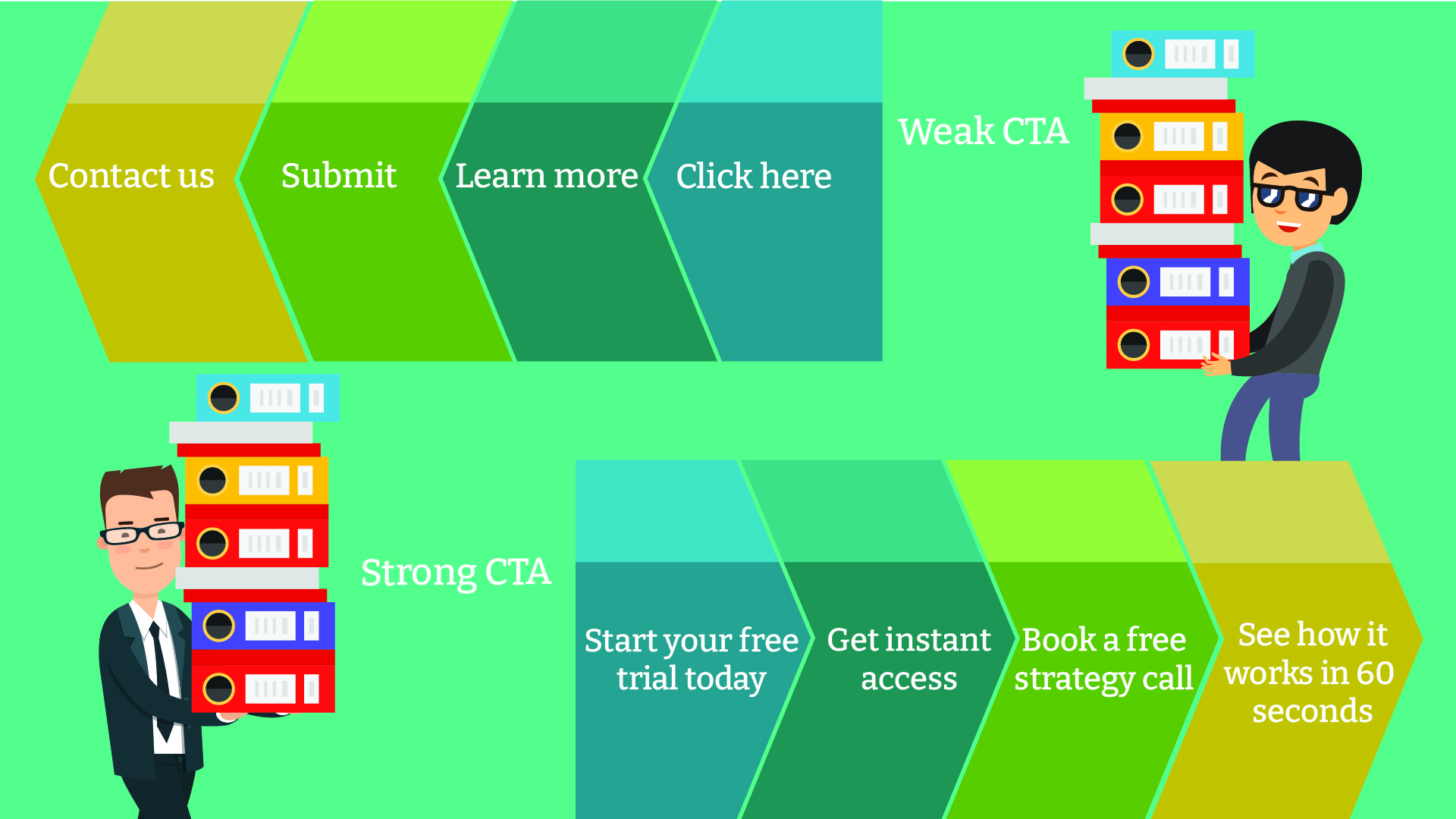
Common CTA mistakes brands make:
- Not showing any CTA at all
The viewer reaches the end and has no idea what the next step is. - CTA appears too late
Many viewers never watch until the final seconds, so they never see it. - CTA is confusing or generic
Vague lines like “Check it out” or “Learn more” offer no clear instruction or benefit. - CTA is too soft
A hesitant or weak CTA doesn’t create urgency or motivation. - CTA is not repeated
One mention is not enough — repetition increases recall and action. - CTA lacks urgency
No timeline, no scarcity, no push — the viewer feels zero pressure to act now.
These mistakes happen because brands assume viewers will take action automatically. But viewers are not mind-readers. If you don’t guide them, they simply move on to the next video.
A strong CTA has specific characteristics:
- Clear
The viewer instantly understands what you want them to do. - Specific
There’s no ambiguity — the action is precise and straightforward. - Benefit-driven
The viewer knows what they gain by taking the step. - Repeated
Reinforced visually and verbally throughout the video. - Visually and verbally present
It shows on-screen, appears in speech, and stands out in the layout.
When your CTA is strong, your video has purpose.
When your CTA is weak or missing, your video ends — but your conversions never begin.
Your Video Sounds Robotic and Corporate (Not Human)
A major reason why ad videos don’t convert is that they feel stiff, cold, or overly formal. When a video sounds like a scripted corporate announcement instead of a real conversation, viewers emotionally disconnect within seconds. People don’t want brands that “talk at them.” They want brands that sound human, relatable, and approachable.
Corporate-style videos often suffer from issues like:
- Jargon
Complex terms that make the message feel confusing and impersonal. - Buzzwords
Empty phrases that sound impressive but lack real meaning. - Over-polished scripts
Lines that are technically perfect but emotionally flat. - Emotionless voiceovers
Voices that sound monotone, mechanical, or disconnected from the message. - Forced formality
A tone that feels stiff and unnatural, as if the script came from a corporate manual rather than a real person.
These elements instantly kill relatability. The audience doesn’t feel spoken to—they feel spoken at. And when people don’t feel a connection, they don’t convert.
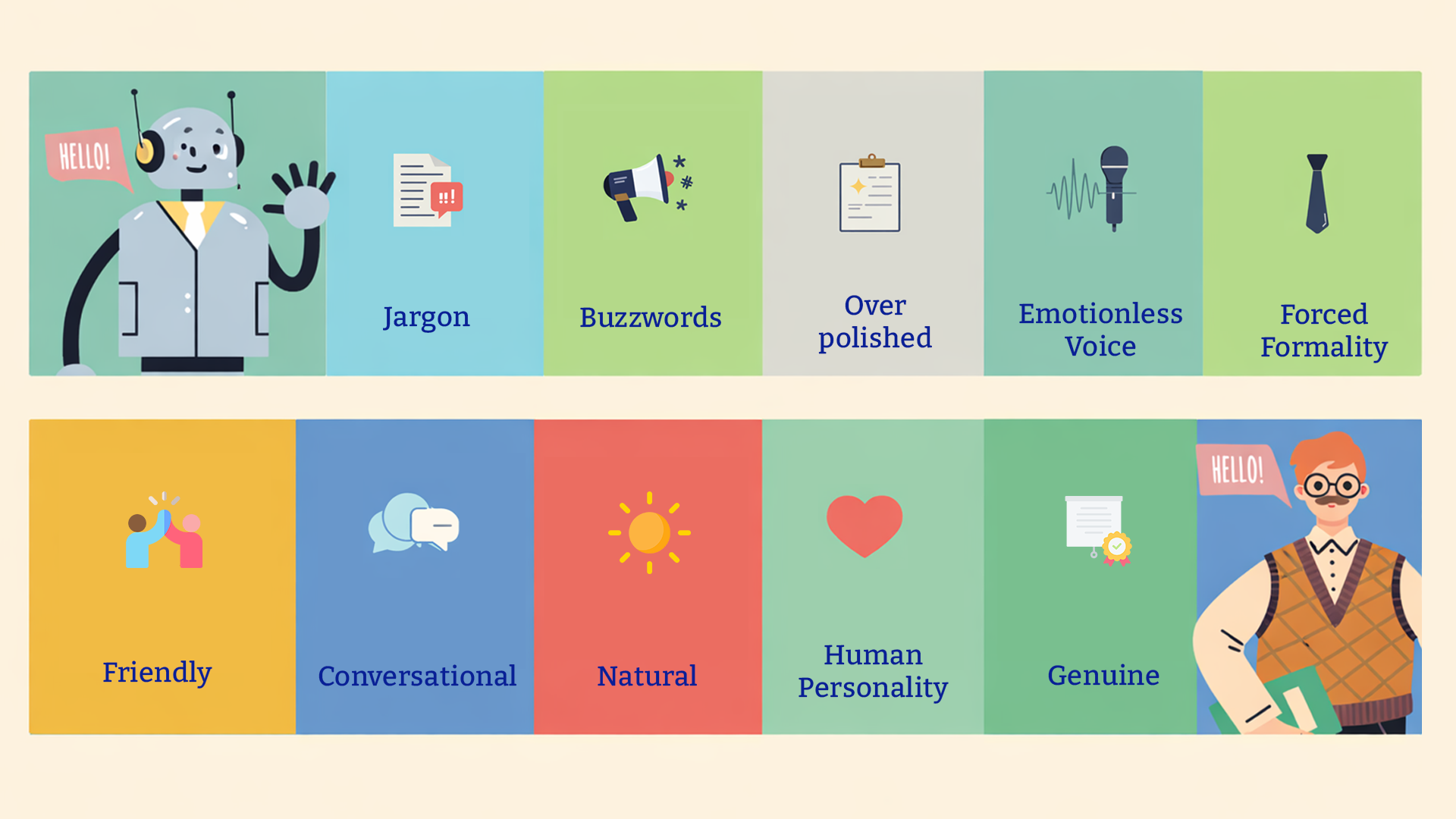
Now compare that to tones that actually drive conversions:
- Friendly
The viewer feels welcomed and understood. - Conversational
The video sounds like someone talking to them, not reading at them. - Natural
The script flows in a way that matches real speech patterns. - Human
The personality of the brand or narrator genuinely comes through. - Genuine
It feels honest, authentic, and emotionally grounded.
This is exactly why many of the best explainer video companies now emphasize human-centered scripting and natural voiceovers. They understand that authenticity builds trust—and trust is what makes people take action.
At the end of the day, authenticity converts.
Robotic messaging doesn’t.
Your Videos Aren’t Optimized for Mobile Viewing
More than 80% of video consumption now happens on mobile. That means if your ad video isn’t designed for small screens and fast scrolling behavior, it’s already at a disadvantage. Mobile users scroll quicker, get distracted easily, and don’t have the patience—or screen space—for complex visuals. When a video isn’t mobile-friendly, viewers drop off before the message even lands.
Most non-optimized videos fail for the same reasons. Text appears too small to read on a phone. Pacing feels slow for mobile attention spans. Visuals are cluttered or overly detailed, making the message hard to follow on a small screen. Many videos rely on sound, even though most people watch with audio off. Others stick to widescreen layouts that waste vertical space and reduce impact.
The result is predictable: viewers scroll past, retention drops, and conversions never happen.
High-performing mobile videos follow a mobile-first mindset from the start. They move quickly, get to the point, and feel native to the platform. Instead of trying to adapt a desktop-style video for mobile, they’re built specifically for how people actually watch content on their phones.
- To convert mobile viewers, focus on just a few essentials:
- Design for vertical or square formats that fill the screen naturally
- Use bold, high-contrast text that’s easy to read at a glance
- Include subtitles so the message works without sound
- Keep visuals simple and tightly framed to avoid distractions
When a video is easy to consume on mobile, viewers stay longer, understand the message faster, and are far more likely to take action. If it’s not built for mobile habits, you’re losing a majority of your audience before your video even has a chance to convert.
Your Video Focuses on Features Instead of Emotional Benefits
One of the biggest reasons why ad videos don’t convert is that brands talk too much about what the product does—and not enough about why the viewer should actually care. Features are useful, but they don’t move people. Emotions do. A viewer buys because they want relief, confidence, simplicity, pride, convenience, or transformation—not because a product has a long list of technical capabilities.
- Features inform.
They explain how something works. - Benefits inspire.
They show what the viewer gains. - Emotion converts.
It creates desire, trust, and urgency.
Products don’t sell themselves—feelings do. When you highlight the emotional reward instead of the technical detail, viewers instantly understand the real value of what you’re offering.
Here are simple examples of how emotion outperforms logic:
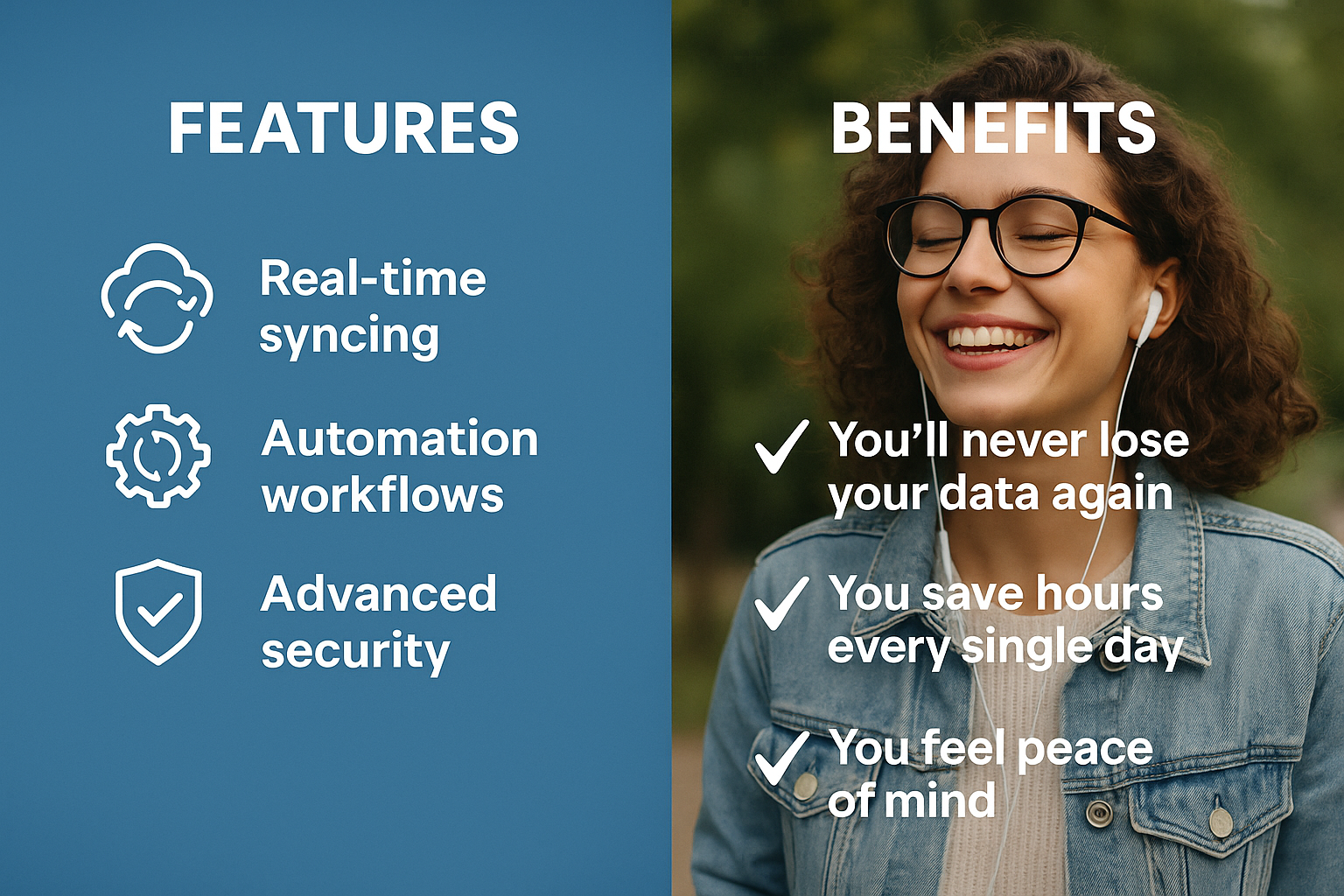
Feature: “Our app has real-time syncing.”
Benefit: “You’ll never lose your data again.”
Feature: “This tool has automation workflows.”
Benefit: “You save hours every single day.”
Notice how the benefit focuses on the outcome—the relief, the ease, the convenience—rather than the technical explanation. That’s what viewers respond to.
This is exactly why formats like SaaS Explainer Video and B2B Explainer Video lean heavily on emotional storytelling before diving into details. They show the struggle, the frustration, and the “before vs. after,” because emotional impact is what gets viewers to take action… not feature lists.
How Explainer Videos Elevate Your Video SEO
Explainer videos aren’t just great for storytelling — they’re SEO goldmines.
A custom explainer video helps audiences understand your product in seconds. They also increase dwell time — meaning visitors stay longer on your page, which boosts your rankings.
Some top-performing formats include:
- SaaS explainer videos for onboarding and demos.
- B2B explainer videos for corporate communication.
- Infographic explainer videos for educational campaigns.
Partnering with the best explainer video companies ensures your visuals, voiceovers, and messages are crafted to perform — both creatively and algorithmically.
Your Video Tries to Say Everything at Once
Another major reason why ad videos don’t convert is simple: brands try to say too much in a single video. They attempt to squeeze in the product story, multiple features, benefits, testimonials, pricing, demos, and use cases—all at once. Instead of making the message more convincing, this overload overwhelms the viewer and weakens the impact.
The human brain can only process one core idea at a time. When a video tries to communicate everything, it ends up communicating nothing clearly. Rather than guiding the viewer toward a decision, the video feels noisy, chaotic, and hard to follow.
This overload usually leads to predictable problems. The message lacks clarity, so viewers can’t identify what truly matters. Retention drops because the video feels busy and exhausting. Messaging becomes confusing, making the purpose of the video unclear. And without clarity, the CTA loses power—viewers don’t know what to do next, so they do nothing.
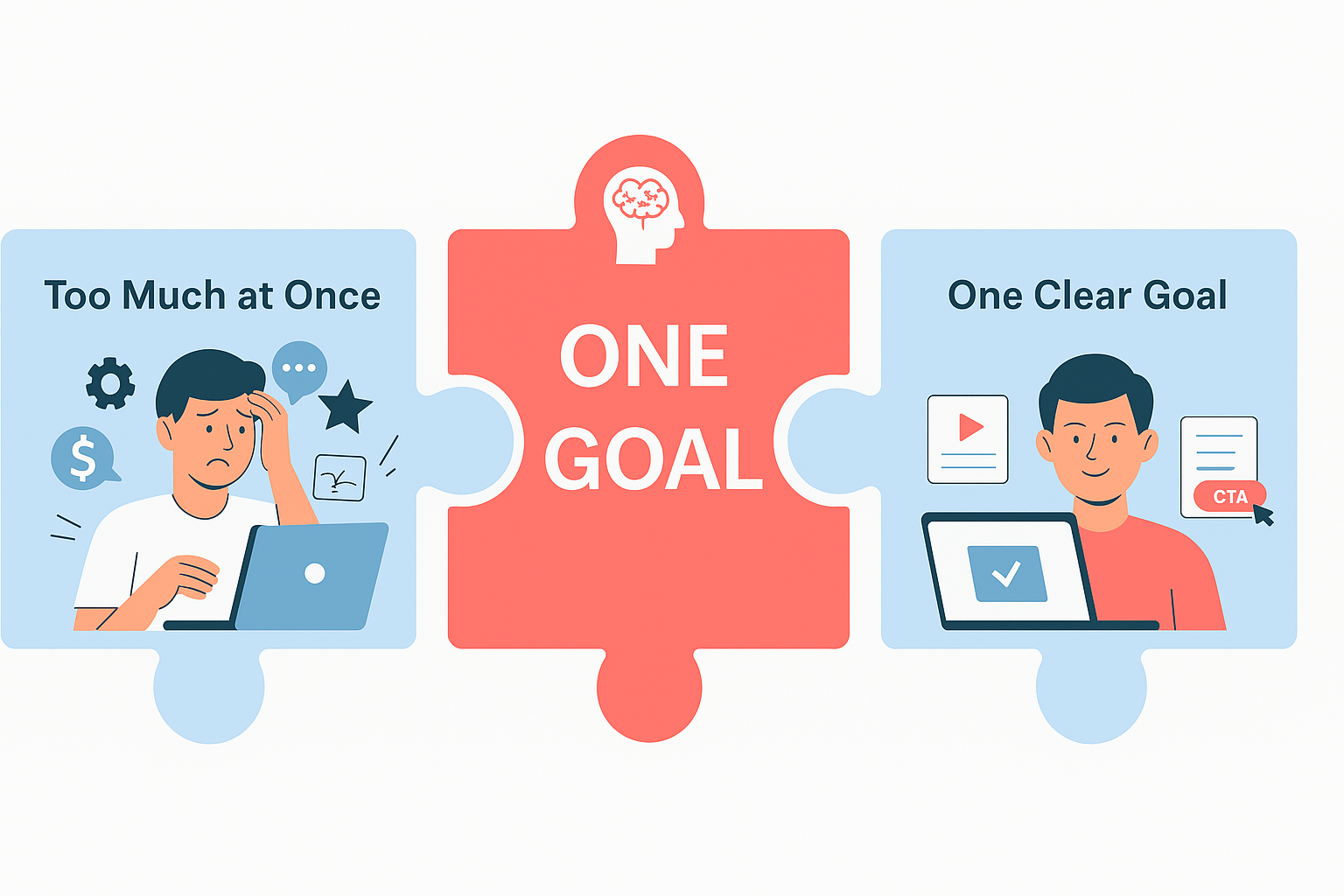
The fix is surprisingly simple: every video must focus on one clear goal. Not three goals. Not seven talking points. Just one.
That single goal should always match where the viewer is in the funnel.
At the awareness stage, the job of the video is to tell an emotional story that sparks curiosity and connection.
In the consideration stage, the video should act as a clear explainer, showing how the product works and why it’s valuable.
At the decision stage, proof and testimonials matter most, building trust and confidence.
And at the conversion stage, the video should be CTA-driven, guiding the viewer toward a clear and confident next step.
When your message aligns with the funnel stage, the video feels focused instead of overwhelming. The viewer understands the purpose instantly, stays engaged longer, and knows exactly what action to take. That clarity is what turns attention into conversions.
You’re Not Testing, Tweaking, or Iterating Your Videos
One of the biggest reasons why ad videos don’t convert is because brands treat videos as a “one-and-done” asset. They upload a video once, run ads for a week, and instantly assume the video failed. In reality, the top-performing brands—Apple, Duolingo, Shopify, Nike—aren’t lucky. They test constantly.
Testing is the hidden engine behind high-converting ads. Every viral or high-performing video you see didn’t win on the first try. It won because dozens of small variations were tested, compared, and improved until the final version clicked with the audience.
Here’s what you should be testing regularly:
- Hooks Different openings dramatically change how long viewers stay.
- CTAs The wording, placement, or tone can double or triple your clicks.
- Length Shorter isn’t always better—test different runtimes.
- Pacing Faster edits vs. slower storytelling can appeal to different audiences.
- Thumbnails The right thumbnail alone can increase watch rates instantly.
- Subtitles Different styles, formats, and emphasis can improve clarity.
- Voiceover style Tone, energy, accent, and pace can change viewer emotion.
- Music Background audio affects mood and attention.
- Visual layout A small shift in framing or text positioning can increase retention.
Every tiny adjustment shapes how viewers respond. Optimization is where conversions are born—and where most brands fall short. If you’re not analyzing viewer behavior and improving your videos based on real data, this is exactly why ad videos don’t convert.
You Rely Too Much on AI Without Human Strategy
AI is powerful, fast, and incredibly convenient. It helps with scripting, editing, voiceovers, and production tasks in ways that save hours. But relying on AI too heavily is one of the subtle reasons why ad videos don’t convert. When brands let AI take over the creative direction, the final video often feels generic, emotionless, and forgettable.
AI can automate the process, but it cannot replicate human emotion, humor, personality, or nuance. These missing elements are exactly what make a viewer connect with your message and take action.
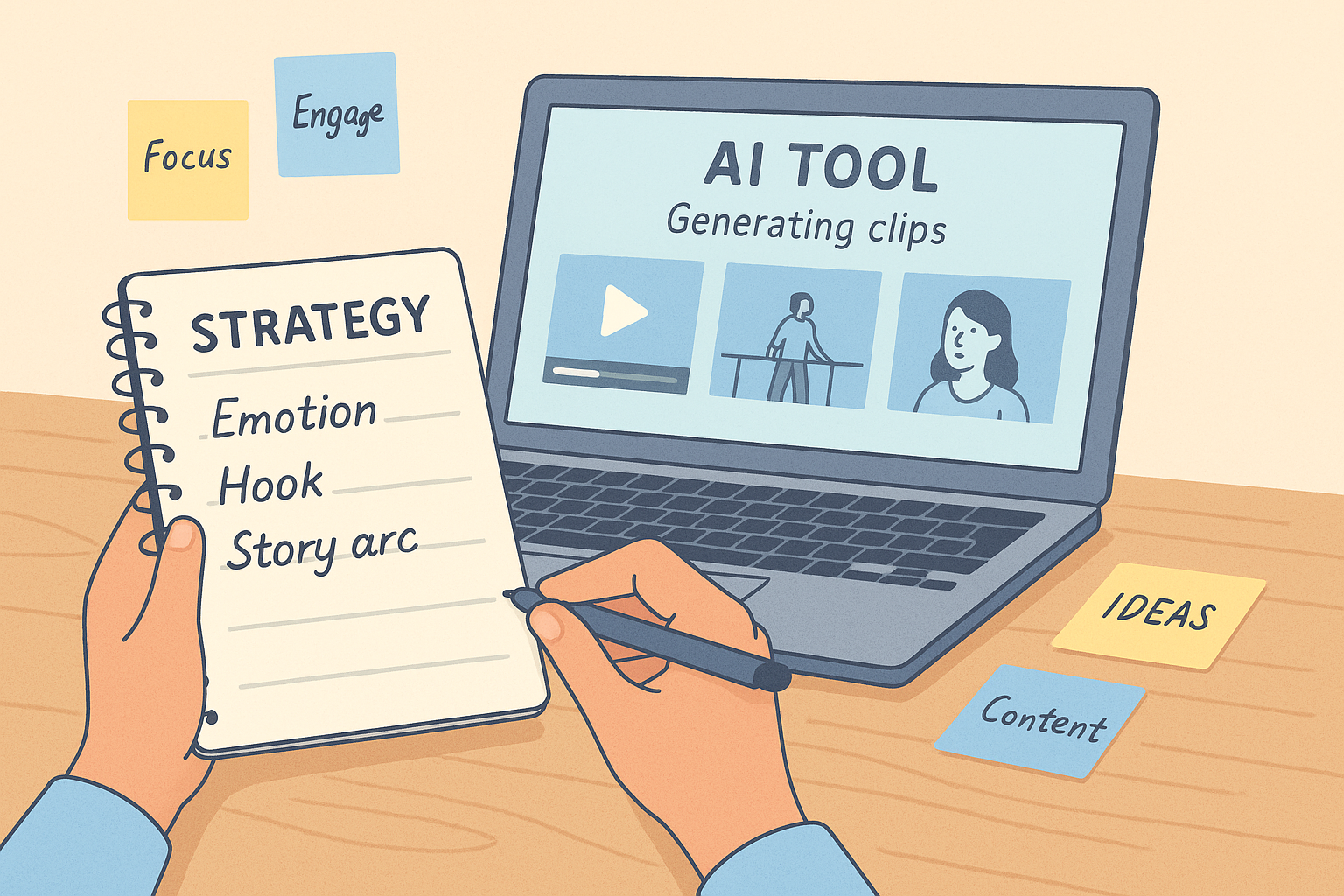
Here’s how AI overuse hurts conversions:
- Robotic voiceovers
They sound flat, lack emotion, and break the viewer’s connection instantly. - Templated visuals
AI-generated animations often look similar across brands, reducing originality. - Weak emotional flow
AI struggles to build tension, relatability, or storytelling arcs that humans naturally create. - Repetitive scripts
Text can feel predictable or cliché, making the content forgettable. - Zero brand personality
AI cannot naturally express tone, humor, values, or emotion in the way your brand needs.
The bottom line:
AI is a tool, not a strategist.
Use it to enhance your workflow—but let humans lead the storytelling, emotional direction, and creative decisions. The combination of AI efficiency + human creativity is what produces videos that actually convert.
How to Fix Ad Videos So They Convert (Complete Blueprint)
Fixing low-converting ad videos isn’t about better visuals or bigger budgets. Conversions improve when videos are built on strategy, psychology, and real viewer behavior. This blueprint shows how to turn weak videos into high-performing ones.
Start With Deep Audience Understanding
Most ad videos fail because they try to speak to everyone. High-converting videos feel personal. When you understand your audience’s fears, desires, objections, and frustrations, your message becomes relevant—and relevance drives conversions.
Focus on One Clear Message
Trying to explain everything at once creates confusion. Every video should have one goal—awareness, explanation, trust, or action. When the message is focused, viewers understand it faster and act more confidently.
Hook Viewers in the First 3 Seconds
If the opening doesn’t stop the scroll, nothing else matters. Strong hooks create instant attention through conflict, curiosity, or a relatable problem. A good hook earns the viewer’s time.
Use Emotional Storytelling
People decide emotionally and justify logically. Videos that show struggle, change, and transformation build trust and keep viewers engaged longer than feature-heavy content.
Add a Clear, Confident CTA
Without direction, viewers do nothing. A strong CTA tells viewers exactly what to do next and keeps momentum moving from interest to action.
Keep the Tone Human
Conversational, natural language builds trust. When videos sound human instead of corporate, viewers feel understood—and understanding converts.
Design Mobile-First
Most ads are watched on phones. Mobile-first videos use bold text, fast pacing, simple visuals, and subtitles so the message lands instantly on small screens.
Test and Optimize Continuously
Winning brands don’t guess—they test. Small changes to hooks, CTAs, pacing, and visuals reveal what works. Testing replaces assumptions with data, and that’s where conversions grow.
You CAN Fix Why Ad Videos Don’t Convert
The real reasons why ad videos don’t convert have nothing to do with budget, gear, or fancy editing. It all comes down to strategy, psychology, and clarity.
When you understand your audience, write emotionally compelling stories, keep the messaging clean, make the video mobile-first, and guide viewers with a strong CTA—your conversions naturally rise.
Great videos aren’t found.
They’re built—strategically, intentionally, and repeatedly.
Unlock the power of captivating visuals with our seasoned expertise! With 7 years of crafting compelling visual content, we’re ready to elevate your brand’s story. From stunning graphics to mesmerizing animations, we bring your vision to life. Let’s create engaging visuals that resonate with your audience and leave a lasting impression. Partner with us today for an unforgettable visual journey!
