
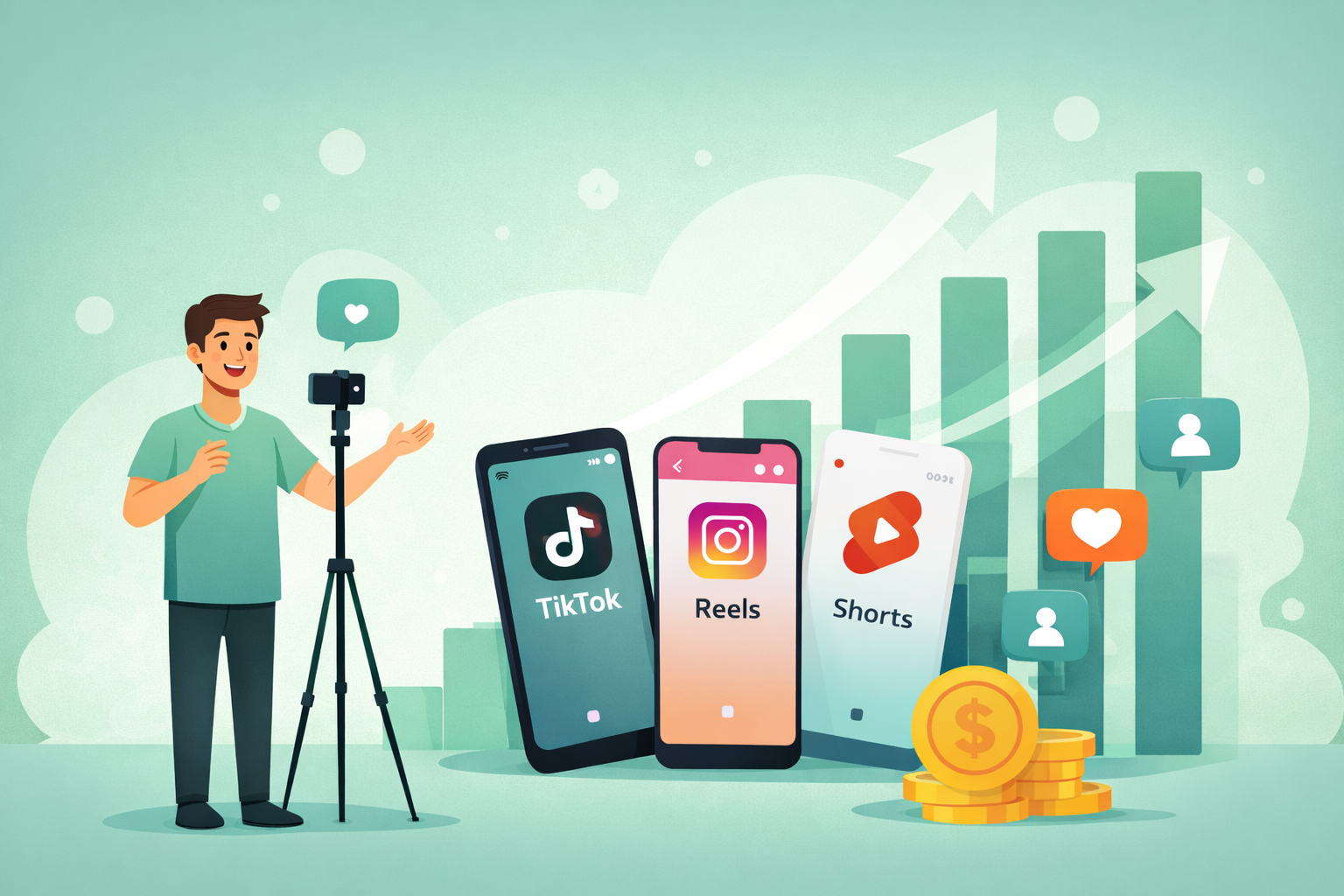
Short Video Marketing Funnel for 2026

Table of Contents
Video content has quietly taken over the internet. Scroll through any social media platform today—whether it’s TikTok, Instagram, YouTube, or LinkedIn—and you’ll notice the same thing: short videos everywhere. In fact, analysts predict that over 82% of global internet traffic will be video content, a number that reflects how dramatically digital consumption habits have changed.
At the same time, the average internet user now spends nearly 100 minutes per day watching online videos across multiple platforms. For marketers, this shift represents both an opportunity and a challenge. On one hand, video is the most engaging content format available today. On the other, platforms evolve constantly, algorithms change quickly, and audience expectations keep shifting.
That’s where a structured approach like the short video marketing funnel becomes essential. Instead of posting random videos and hoping for engagement, marketers can design a strategic journey that guides viewers from discovery to conversion—and ultimately loyalty.
In 2026, short-form video is no longer just an awareness tool. It’s a powerful engine that drives the entire marketing funnel—from attracting new audiences to converting them into customers and keeping them engaged long after the purchase.
Let’s explore how short videos are shaping full-funnel marketing and why every brand should understand the short video marketing funnel.
The Rise of Video Content in Digital Marketing
Video content has become one of the most powerful communication tools for businesses. Unlike traditional text or static images, video combines visuals, sound, and storytelling to deliver information quickly and effectively.
Modern audiences prefer watching content rather than reading long explanations. A short video can demonstrate how a product works, explain complex ideas, or tell a brand story within seconds. Because of this, companies across industries are investing heavily in video-first marketing strategies.
Explainer videos have become especially valuable for businesses that need to simplify complex concepts. For example, startups often use a SaaS explainer video to demonstrate how their software solves a specific problem. Similarly, B2B companies rely on custom explainer videos to communicate the value of their services clearly and visually.
Many organizations now collaborate with specialized production teams to create engaging content. Partnering with one of the best explainer video companies helps businesses transform technical ideas into visually appealing stories that audiences understand quickly.
As video becomes central to digital marketing, brands that adopt a structured strategy—such as the short video marketing funnel—are better positioned to attract, educate, and convert their audiences.
Why Short Videos Are Dominating Marketing in 2026
Short videos aren’t just popular—they’re dominating the digital landscape.
One of the biggest reasons is shrinking attention spans. Today’s viewers often decide within the first three seconds whether they want to keep watching a video. If content fails to grab attention immediately, viewers simply scroll away.
Short-form videos solve this problem by delivering information quickly. Instead of asking viewers to commit to a long video, brands can share valuable insights, entertaining moments, or useful tips in just a few seconds.
Another factor is the speed at which short videos spread across social networks. Platforms actively promote engaging short-form content through algorithms designed to maximize user engagement.
As a result, brands that use short videos effectively can reach far larger audiences than traditional content formats.
But the real magic happens when short videos are used strategically—not just for visibility, but as part of a short video marketing funnel that guides viewers through the entire customer journey.
Understanding the Short Video Marketing Funnel
The short video marketing funnel is a strategic framework that uses short-form video content to guide audiences through every stage of the customer journey. Instead of producing videos randomly, marketers create content with a specific purpose, aligning each video with a particular stage of the funnel. This approach ensures that video content not only attracts attention but also supports meaningful business outcomes.
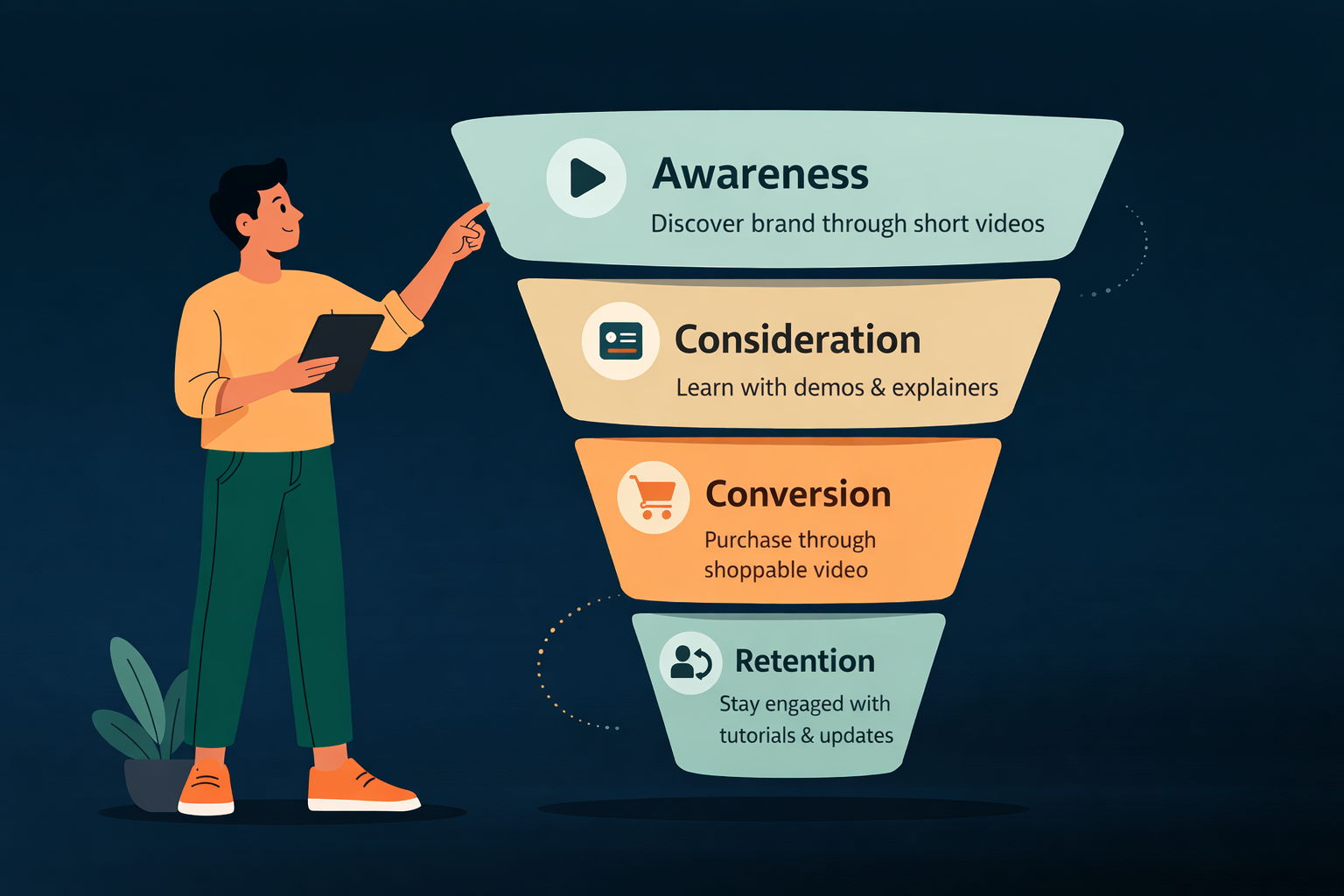
The funnel typically includes four key stages:
- Awareness
- Consideration
- Conversion
- Retention
Each stage requires a different type of video and messaging strategy. At the top of the funnel, short videos are designed to capture attention and introduce the brand to new audiences. These videos often focus on storytelling, quick tips, or entertaining content that encourages viewers to engage and share.
In the middle of the funnel, videos become more informative. Product demonstrations, tutorials, and explainer videos help potential customers understand the value of a product or service and evaluate whether it fits their needs.
At the bottom of the funnel, conversion-focused videos encourage viewers to take action, such as making a purchase or signing up for a service. Finally, retention-stage videos help maintain relationships with customers through tutorials, product updates, and community-driven content.
By structuring content around the short video marketing funnel, marketers can move beyond vanity metrics like views and focus on deeper outcomes such as engagement, conversions, and long-term customer loyalty.
Short Video Marketing Funnel for Awareness (Top of Funnel)
The awareness stage is where short videos shine the most.
Platforms like TikTok, Instagram Reels, and YouTube Shorts are designed to surface engaging content to new audiences. hrough recommendation algorithms, especially TikTok’s discovery system, prioritize videos that capture attention quickly and keep viewers watching.
For brands, this means a single viral video can introduce a product or service to millions of viewers almost instantly.
Several techniques help boost discoverability at this stage:
- Trending audio clips
- Popular hashtags
- Relatable storytelling
- Educational micro-content
For example, a quick marketing tip video or a short explainer about a common problem can attract thousands of viewers who were previously unfamiliar with the brand.
Because short videos are highly shareable, they can spread rapidly across networks. A compelling video might be shared across platforms, reposted by users, or recommended by algorithms to new audiences.
This is why the awareness stage is such a powerful entry point in the short video marketing funnel.
Short Video Marketing Funnel for Consideration (Middle of Funnel)
Once viewers become aware of a brand, the next step is helping them understand the value of the product or service.
The consideration stage focuses on education and trust-building.
Short videos at this stage often include:
- Product demonstrations
- Quick tutorials
- Feature highlights
- Customer testimonials
These videos help potential customers evaluate whether the product solves their problem.
For example, a SaaS explainer video might demonstrate how a platform automates repetitive tasks, while a B2B explainer video could show how a service improves operational efficiency for businesses.
Similarly, a short infographics explainer video can transform complex data into visually engaging insights that viewers can quickly understand.
Brands that collaborate with an experienced explainer video company often produce highly effective educational videos that simplify complex topics and build credibility.
This stage is crucial because it turns casual viewers into interested prospects.
Short Video Marketing Funnel for Conversion (Bottom of Funnel)
The conversion stage is where short videos begin to directly influence purchasing decisions. By the time viewers reach this stage of the short video marketing funnel, they are already familiar with the brand and have developed a level of trust. Instead of introducing the product for the first time, the goal now is to encourage action—whether that means making a purchase, signing up for a service, or exploring a product further.
One reason short videos are so effective at this stage is the growing integration of e-commerce features within social media platforms. Many platforms now allow viewers to buy products directly without leaving the app. This removes friction from the buying process and makes the transition from discovery to purchase almost instant.
Examples include:
- TikTok Shop product tagging
- Instagram shopping tags
- YouTube product shelves
- Pinterest shop pins
These tools create a seamless connection between content and commerce. A viewer might watch a short product review, tap a product tag, and complete the purchase within seconds.
Conversion-focused videos often highlight product benefits through quick demonstrations, customer success stories, limited-time offers, or influencer recommendations. Because viewers at this stage already trust the brand, these videos can significantly improve conversion rates and turn engaged audiences into paying customers.
Short Video Marketing Funnel for Retention and Loyalty
The marketing funnel doesn’t end when a customer makes a purchase.
Retention and loyalty are equally important, and short videos play a key role in keeping customers engaged.
Brands can use short videos to provide:
- Product tutorials
- Tips and tricks
- Feature updates
- Behind-the-scenes content
These videos help customers get more value from the product while strengthening the relationship between the brand and its audience.
Community-driven content also plays an important role here. User-generated videos, testimonials, and customer stories encourage engagement and create a sense of belonging around the brand.
In many cases, loyal customers become brand advocates who share videos and recommend products to others.
Mobile-First Video Consumption Is Changing Content Strategy
Another major reason short videos dominate modern marketing is the shift toward mobile-first content consumption. Today, people primarily browse social media, watch videos, and interact with brands through their smartphones. Studies suggest that around 75% of video viewing now happens on mobile devices, which has significantly changed how marketers design and produce video content.
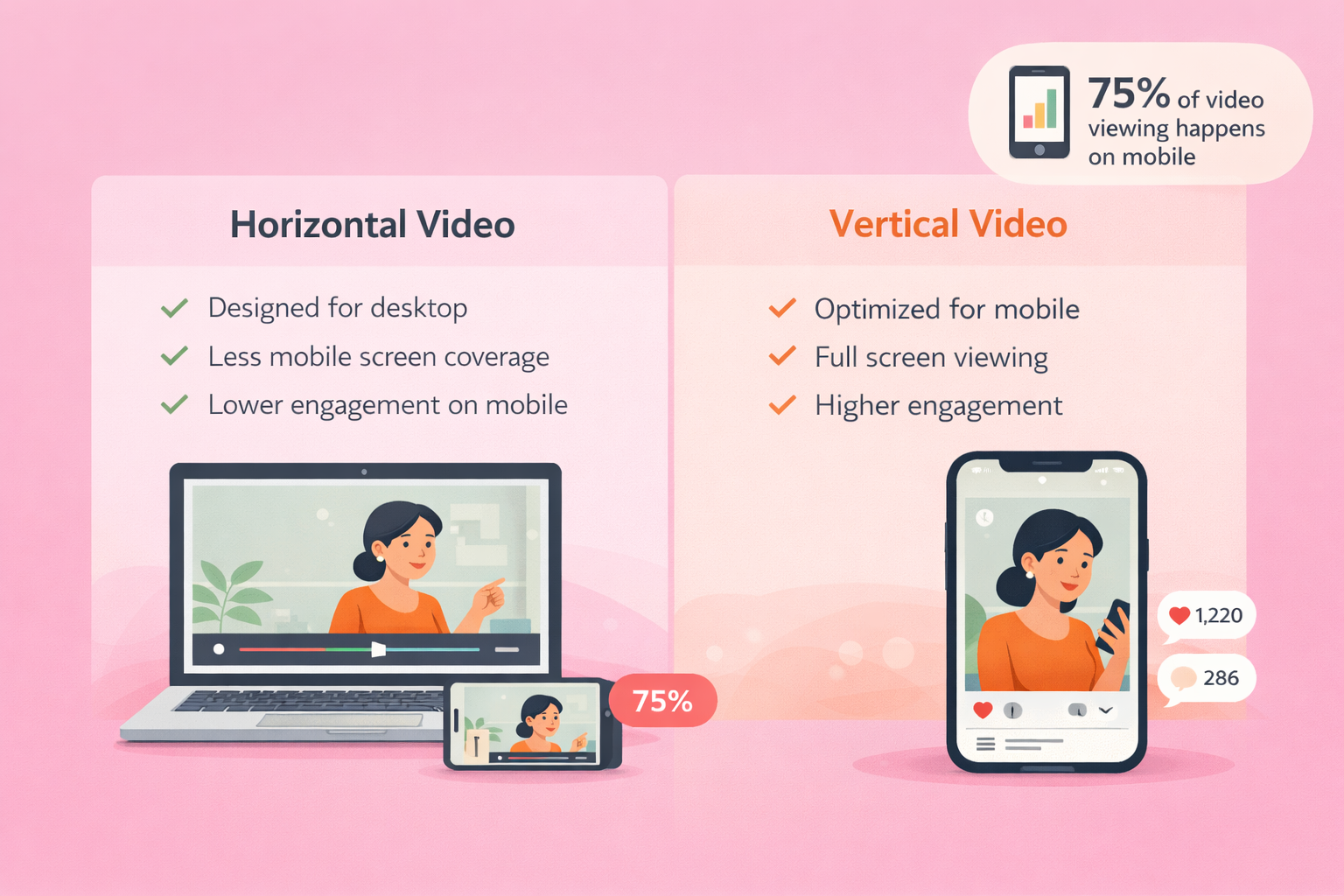
Because most viewers hold their phones vertically, vertical video formats have become the standard for platforms like TikTok, Instagram Reels, and YouTube Shorts. Unlike traditional horizontal videos designed for desktop screens, vertical videos fill the entire smartphone display, creating a more immersive and engaging experience for viewers.
This shift also changes how videos are framed and edited. Instead of traditional cinematic compositions that place subjects across wide frames, modern short-form videos focus on central framing, ensuring the main subject remains clearly visible on smaller mobile screens.
Additionally, many viewers watch videos without sound, especially when scrolling through social feeds in public places. As a result, marketers now rely on captions, large text overlays, and bold visuals to communicate key messages quickly and effectively.
Designing content specifically for mobile viewing is no longer optional—it has become a core strategy in the short video marketing funnel, helping brands capture attention and keep audiences engaged in a fast-scrolling digital environment.
AI-Powered Video Creation Is Transforming Marketing
Creating high-quality video content once required expensive cameras, large production teams, and weeks of editing. For many businesses, especially startups and small marketing teams, producing professional video content at scale was difficult and time-consuming.
Today, AI-powered tools are transforming the entire video production process. Marketers can now use artificial intelligence to generate video scripts, automate editing workflows, add captions instantly, and even create voiceovers or animations with minimal manual effort. These tools significantly reduce production time, allowing brands to produce short videos quickly and consistently.
AI also helps marketers personalize video content for different audience segments. Instead of showing the same video to every viewer, AI systems can analyze behavior, interests, and demographics to deliver tailored messages that resonate more strongly with specific audiences. For example, a product demo video might highlight different features depending on whether the viewer is a new prospect or an existing customer.
This level of personalization greatly improves engagement and conversion rates. According to insights from HubSpot, AI-driven marketing tools are increasingly helping businesses create more relevant and targeted content at scale.
As AI technology continues to evolve, it will play an even bigger role in shaping the future of the short video marketing funnel, enabling brands to create smarter, faster, and more personalized video campaigns.
The Rise of Social Commerce and Shoppable Videos
One of the most influential developments in digital marketing today is the rapid rise of social commerce, especially through short-form video platforms. As video consumption continues to grow, the boundary between entertainment and online shopping is becoming increasingly blurred. Viewers are no longer passive audiences who simply watch content. Instead, they actively engage with videos, discover new products, and make purchasing decisions directly within the platform.
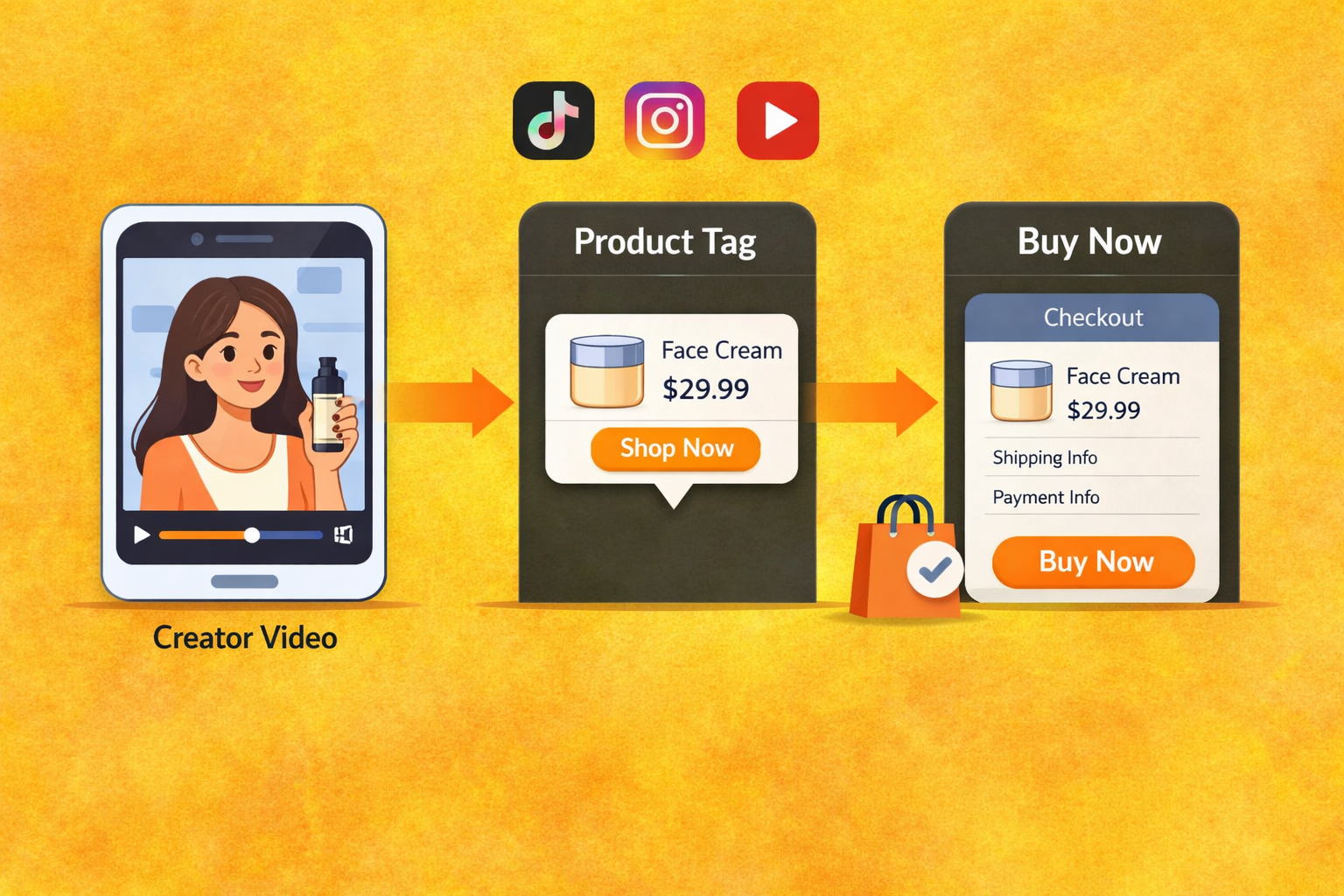
Shoppable video experiences play a key role in this transformation. They create a smooth and convenient path from product discovery to purchase, eliminating many of the steps that traditionally existed in online shopping journeys. Instead of watching a product review and then searching for the item separately, viewers can now click on product tags embedded within the video and purchase instantly.
Major platforms have introduced tools that support this interactive shopping experience. Creators and brands can tag products, display purchase links, and showcase items while the video is playing. For instance, a creator reviewing a gadget or beauty product can tag it directly in the video, allowing interested viewers to buy it within seconds.
This seamless integration of content and commerce is reshaping the short video marketing funnel, turning engaging video content into a powerful driver of conversions and revenue for brands.
Content Repurposing and Algorithm Strategies
Consistency is essential for success in short-form video marketing.
One effective strategy is content repurposing.
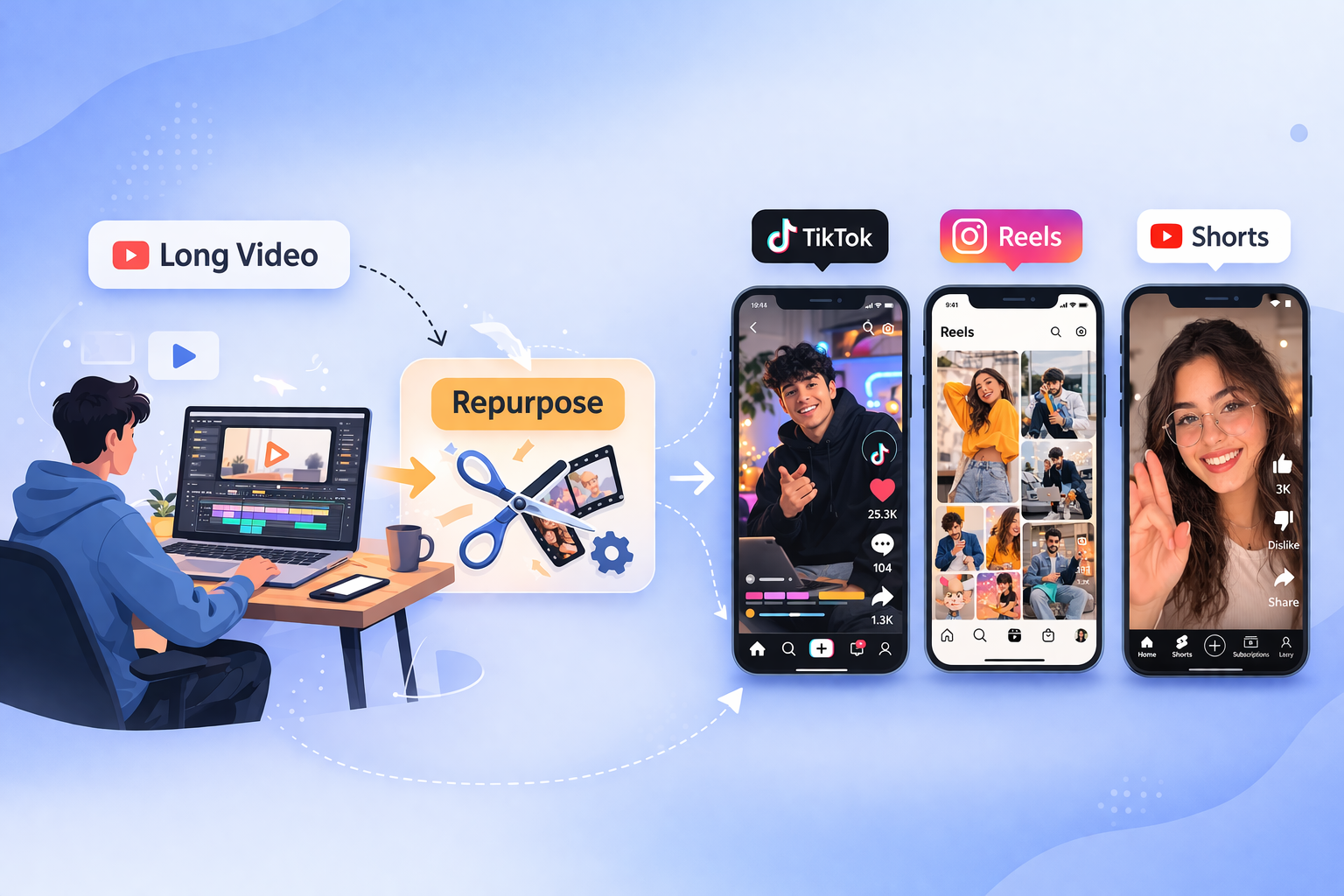
Instead of creating entirely new content for each platform, brands can break longer videos into multiple short clips.
For example, a webinar or product demo can produce several short educational videos that are distributed across platforms.
Algorithms reward consistent posting and high engagement levels. TikTok, in particular, prioritizes content completion rates—how many viewers watch a video until the end.
This means smaller creators with engaging content can outperform larger accounts with less engaging videos.
For marketers, understanding algorithm behavior is critical for optimizing visibility and performance.
The Future of Short Video Marketing
Looking ahead, short-form video is expected to play an even bigger role in digital marketing strategies. As audiences increasingly prefer fast, engaging content, brands will continue investing in short videos to capture attention and communicate messages quickly. Platforms like TikTok, Instagram Reels, and YouTube Shorts are constantly introducing new features that encourage creators and businesses to experiment with creative storytelling.
Several trends are shaping the future of this space. One of the most noticeable is the rise of micro-content, extremely short videos designed to deliver impact within seconds. At the same time, AI-powered personalization is allowing marketers to tailor video experiences to different audience segments, making content more relevant and engaging.
Interactive elements are also becoming more common. Features such as polls, clickable links, and in-video product tags enable viewers to interact with content rather than simply watch it. Additionally, shoppable video formats are blending entertainment and commerce, making it easier for viewers to purchase products directly from the video.
As automation and artificial intelligence continue to improve video production, marketers will be able to create high-quality content faster and at scale. In this evolving landscape, the short video marketing funnel will become an even more powerful framework for guiding audiences from discovery to conversion and long-term brand engagement.
Conclusion
Short-form video has evolved from a simple social media trend into a fundamental component of modern marketing strategy.
With billions of users watching videos every day and platforms prioritizing engaging content, short videos offer brands an unparalleled opportunity to connect with audiences.
However, the real power of video marketing lies in strategy.
By building a short video marketing funnel, brands can guide viewers through every stage of the customer journey—from awareness to consideration, conversion, and long-term loyalty.
In 2026 and beyond, businesses that master short-form video will not only capture attention but also turn viewers into customers and customers into brand advocates.
And in an increasingly competitive digital landscape, that advantage can make all the difference.
Unlock the power of captivating visuals with our seasoned expertise! With 7 years of crafting compelling visual content, we’re ready to elevate your brand’s story. From stunning graphics to mesmerizing animations, we bring your vision to life. Let’s create engaging visuals that resonate with your audience and leave a lasting impression. Partner with us today for an unforgettable visual journey!Â
