
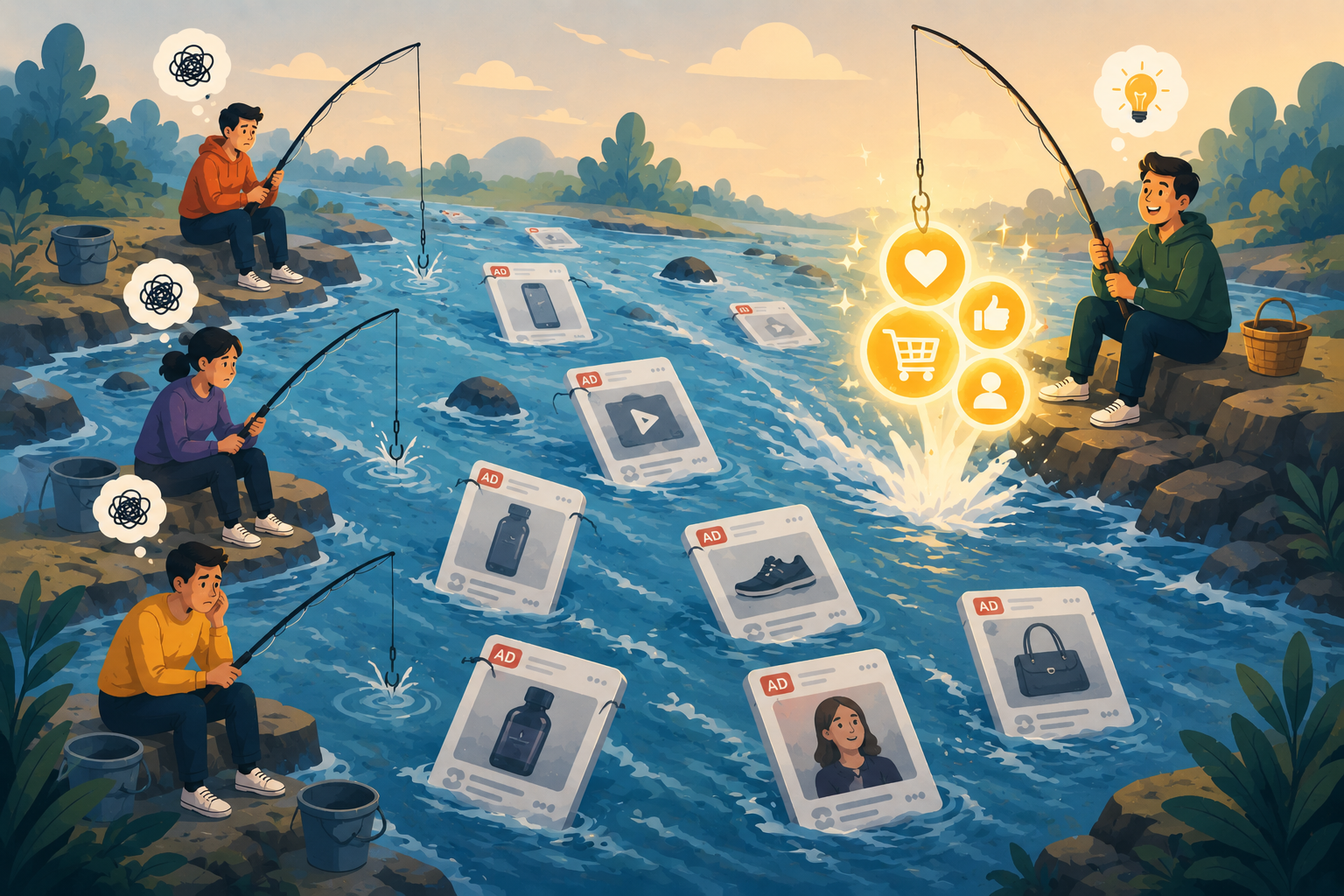
Why Most D2C Video Ads Fail and How to Fix them

Table of Contents
The D2C market has become more competitive than ever in 2026. Every scroll on Instagram, YouTube, Facebook, and TikTok is filled with brands trying to capture attention through ads, influencer campaigns, and product videos. Yet despite increasing ad budgets, many businesses still struggle with the same frustrating problem: their D2C video ads get views, but they fail to generate conversions.
The reason is simple. Consumer behavior has completely changed.
People are no longer impressed by polished commercials filled with dramatic music and perfect product shots. Modern audiences scroll faster, skip quicker, and instantly ignore anything that feels like a traditional advertisement. If your video feels promotional within the first few seconds, users mentally disconnect before your message even begins.
This is why many brands struggle with D2C video ads even after spending heavily on production and paid campaigns.
In 2026, successful D2C marketing is no longer about looking expensive. It is about creating relatable experiences, emotional relevance, strong storytelling, fast user experience, and conversion focused systems.
The brands winning today are combining creator style storytelling, high performing conversion funnels, and customer psychology into one seamless experience.
In this article, we’ll break down why most D2C video ads fail to convert and how you can fix them using practical performance marketing strategies.
Why D2C Video Ads Are Struggling More in 2026
Consumers today are exposed to hundreds of ads every single day. Because of this overload, attention spans have become shorter and users have developed strong ad fatigue. People scroll quickly and ignore content that feels repetitive or overly promotional.
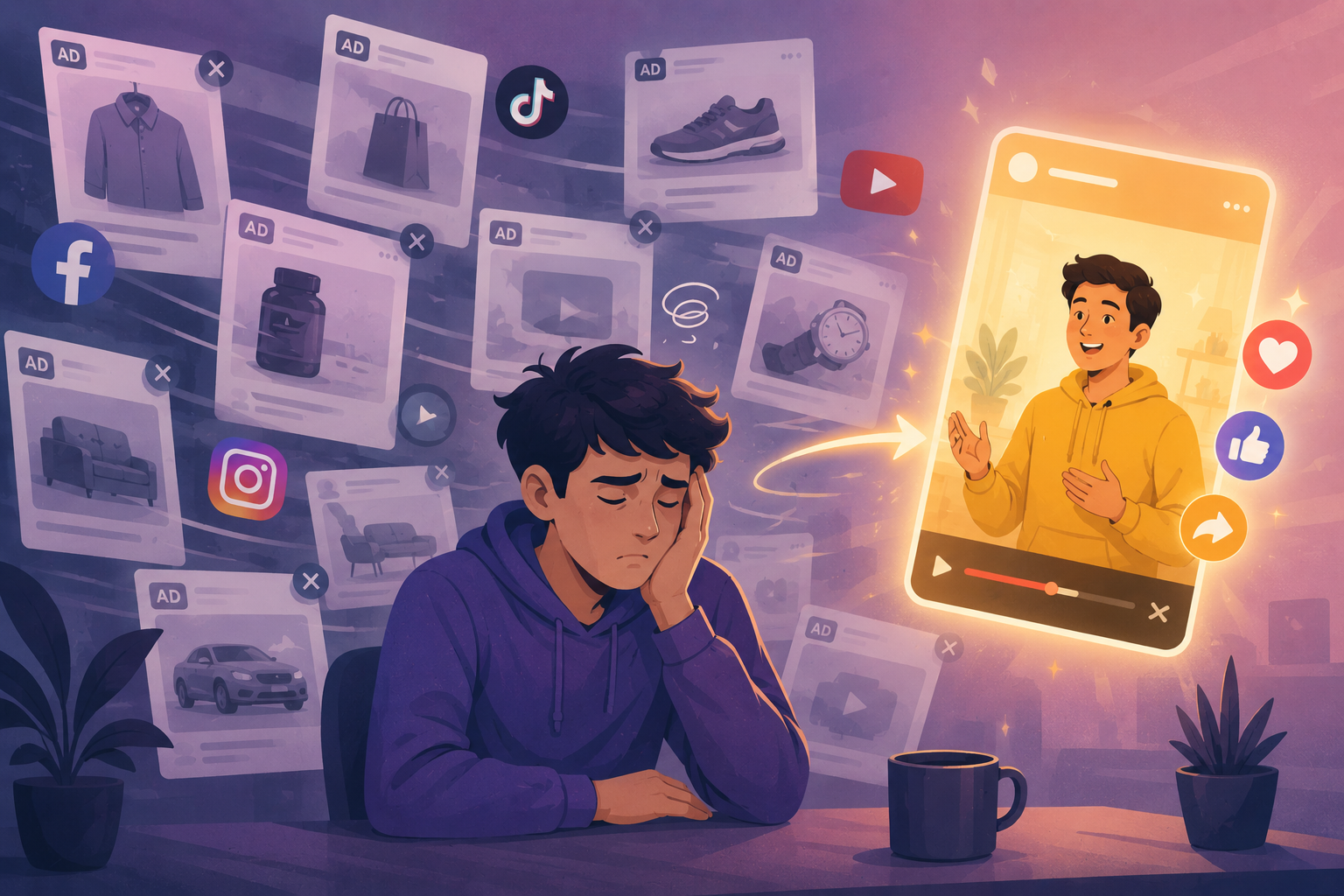
Traditional advertising methods simply don’t perform the way they used to. In the past, brands could run polished product commercials and still generate decent engagement. Today, consumers are far more selective about what they watch.Another major reason D2C video ads struggle is competition. Thousands of brands are targeting the same audiences across Meta, YouTube, and TikTok. Even with strong targeting, weak creatives are exposed immediately.Modern users are not looking for advertisements. They are looking for relevance, entertainment, and authenticity. If your ad fails to create interest quickly, people move on instantly.This is why D2C brands must stop treating video ads as simple promotional content. In 2026, video creatives are performance assets designed to attract attention, build trust, and guide users toward action.The First 3 Seconds Decide Everything in D2C Video Ads
The opening seconds of your video determine whether users continue watching or instantly scroll away. Strong hooks are no longer optional because attention spans are now extremely short.
Why Scroll Stopping Hooks Matter
One of the biggest reasons D2C video ads fail is weak opening hooks. Attention is the real currency of modern digital marketing. Many brands make the mistake of starting ads with logos, cinematic intros, polished product shots, or generic branding lines. The problem is that users instantly recognize these as advertisements. The moment viewers feel like they are being sold to, they lose interest.
Successful D2C video ads focus on curiosity instead of promotion. They introduce emotional triggers, relatable frustrations, surprising statements, or problem driven storytelling right at the beginning.
Examples of High Converting Hooks
For example, instead of opening with “Introducing our premium skincare solution…”, a stronger hook would be: “Why does your skin still feel dry even after using expensive products?” One sounds like an advertisement, while the other creates curiosity.
The best performing D2C video ads in 2026 often feel more like creator content than traditional marketing because they use fast pacing, direct communication, relatable situations, and emotionally relevant storytelling to stop users from scrolling. Brands that understand hook psychology consistently outperform competitors in paid campaigns.
Why Over Polished Creatives Are Hurting Conversions
For years, brands believed expensive production automatically improved ad performance. That assumption no longer works in 2026.
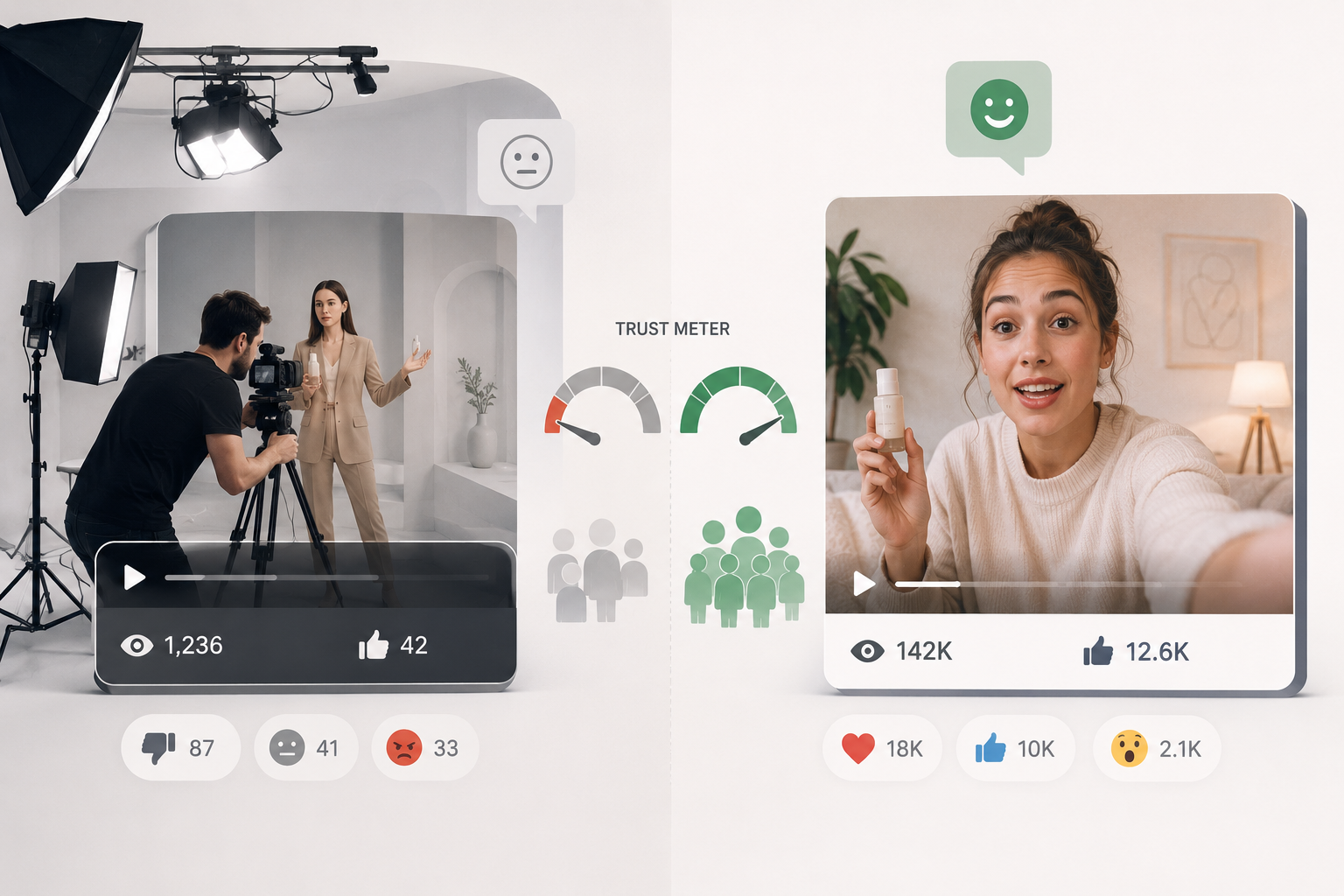
In fact, many highly polished D2C video ads now perform worse than raw creator led content because they feel less authentic.
Consumers have become skeptical of traditional advertising. Overproduced visuals often create emotional distance instead of trust. This is why creator led campaigns and UGC style videos are dominating social platforms.
Modern users prefer content that feels spontaneous, relatable, conversational, and human. A person casually talking about a product while using it often converts better than a studio commercial because it feels believable.
This does not mean brands should create low quality content. It simply means the content should feel natural instead of overly corporate.
Some of the highest performing D2C video ads today include:
- creator reactions
- customer experiences
- Testimonial driven storytelling
- Street interview formats
- podcast style conversations
The goal is not perfection. The goal is trust.
This is also where working with an experienced explainer video company can help. Brands that understand storytelling and audience psychology often create ads that perform better without looking overly promotional.
D2C Video Ads Must Sell Outcomes, Not Features
Another major conversion mistake is feature focused messaging. Many brands spend too much time explaining ingredients, specifications, or technical details while ignoring the emotional outcome customers actually care about.
Consumers do not buy products. They buy transformations. People buy confidence, convenience, comfort, emotional relief, better experiences, and lifestyle improvements.
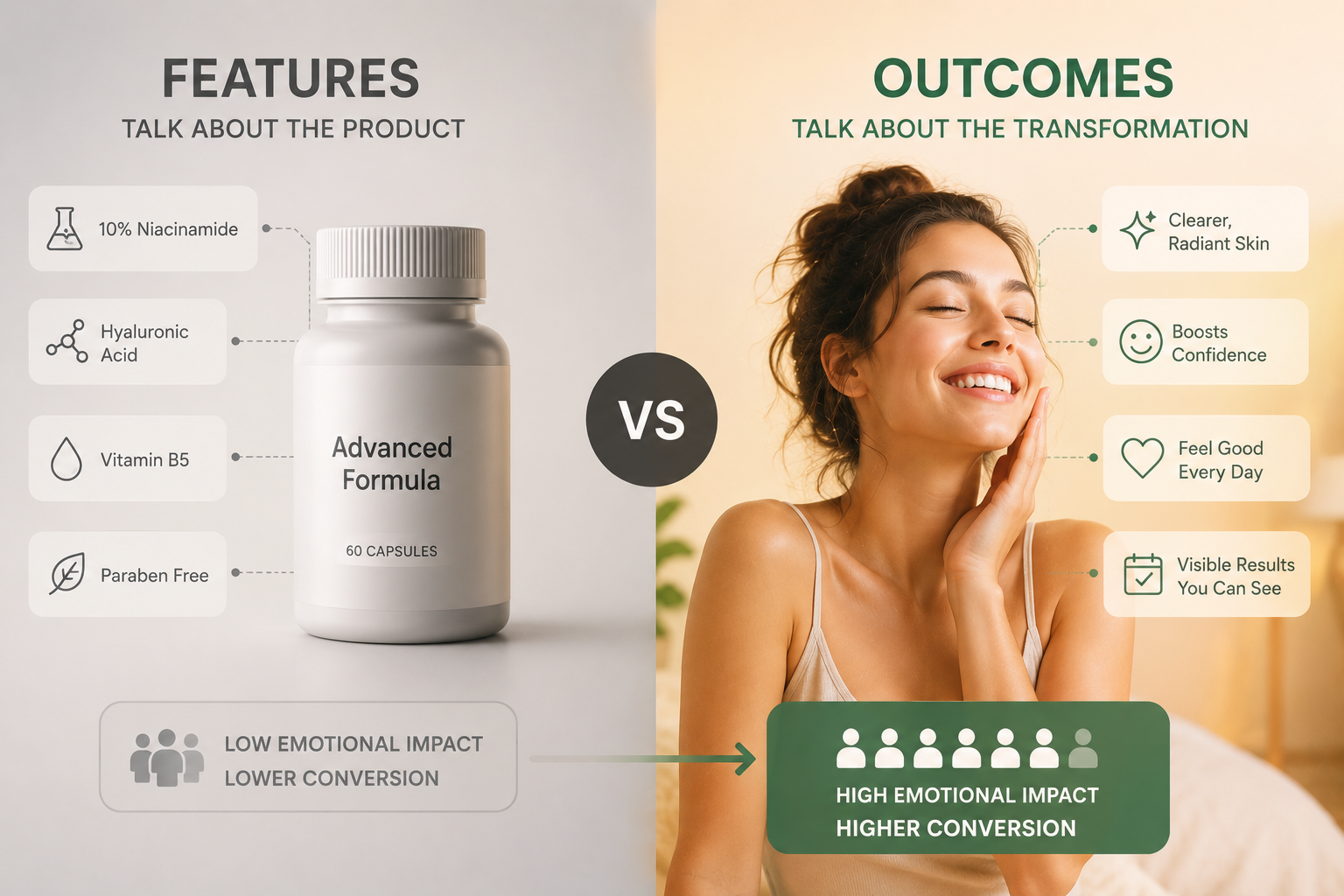
For example, customers buying fitness supplements are not just buying ingredients. They are buying confidence, energy, body transformation, and personal improvement. Similarly, skincare customers care more about clear skin and confidence than technical formulas.
This is why problem solution storytelling consistently performs better than generic promotional messaging.
Instead of saying:“Our product contains advanced hydration technology.”
A stronger message would be:“Tired of dry skin ruining your confidence before every event?”
One explains a feature, while the other connects emotionally. Winning D2C video ads focus on showing how life improves after using the product. This approach increases engagement, retention, and conversions because people emotionally connect with outcomes more than specifications.
Brands using custom explainer video strategies often perform well because they simplify messaging while visually communicating product benefits in a relatable way.
Your Landing Page Can Destroy Even Great D2C Video Ads
Many brands focus heavily on ad creatives while completely ignoring what happens after the click. But even the best performing D2C video ads can fail if the landing page experience feels slow, confusing, or disconnected.
Common Landing Page Mistakes
One of the biggest conversion problems happens when the messaging in the ad does not match the landing page experience. Imagine your ad promises a simple skincare solution for busy professionals. A user clicks expecting clarity and convenience, but the landing page feels cluttered, slow, and difficult to navigate.
The emotional momentum instantly disappears, and conversions collapse because the experience feels disconnected. The transition between your ad and landing page should feel seamless. Your messaging, visuals, tone, product positioning, and emotional promise must remain consistent throughout the customer journey.
How to Improve Mobile Checkout Experience
Page speed is another massive factor. Modern consumers are impatient. If your mobile website loads slowly or creates friction during checkout, users leave immediately. In 2026, mobile optimization is no longer optional because most D2C purchases happen directly from smartphones.
Your website should:
- load quickly
- simplify navigation
- reduce checkout friction
- support fast buying decisions
The best D2C brands optimize the complete customer journey instead of focusing only on ad creatives.
Why Weak Product Visuals Quietly Kill Sales
Visual trust plays a major role in conversion performance, yet many brands underestimate how much product imagery affects customer confidence. In D2C marketing, customers cannot physically test products before purchasing, so visuals become the first layer of trust building.
Your product images should instantly communicate professionalism, clarity, reliability, and product outcomes. Poor visuals create hesitation, and hesitation quietly destroys conversions. Even if your D2C video ads perform well, weak imagery on the landing page can reduce buyer confidence within seconds.
Modern consumers scan visuals before reading descriptions or reviews. If your images fail to communicate value immediately, users assume the product itself may lack quality. This is why successful D2C brands invest heavily in lifestyle visuals, realistic demonstrations, creator generated content, and social proof imagery.
Consumers also trust visual proof more than text. Text only reviews are no longer enough because buyers now expect customer photos, reaction videos, testimonials, unboxing experiences, and real demonstrations before making decisions.
Real customer experiences outperform scripted advertising because they reduce skepticism and build credibility faster. Brands using formats like Infographics Explainer Video content often improve engagement because visual storytelling simplifies information while improving clarity and retention.
In 2026, visuals are no longer just design elements. They are powerful conversion tools.
Most D2C Brands Don’t Have a Real Conversion Funnel
One of the biggest mistakes brands make is treating advertising as the entire marketing strategy. Many businesses follow the same dangerous process: run ads, send traffic to the website, and hope for sales.
That is not sustainable marketing. That is gambling.
Modern D2C growth requires complete customer systems because most users do not purchase immediately after seeing one advertisement. Cold audiences need repeated exposure, trust building, emotional connection, and social proof before they are ready to buy.This is why successful brands focus on building full customer journeys instead of relying only on direct response ads. Winning D2C brands use retargeting campaigns, email sequences, WhatsApp follow ups, loyalty systems, and retention campaigns to continuously nurture customers after the first interaction.Retention is becoming more valuable than constant acquisition.
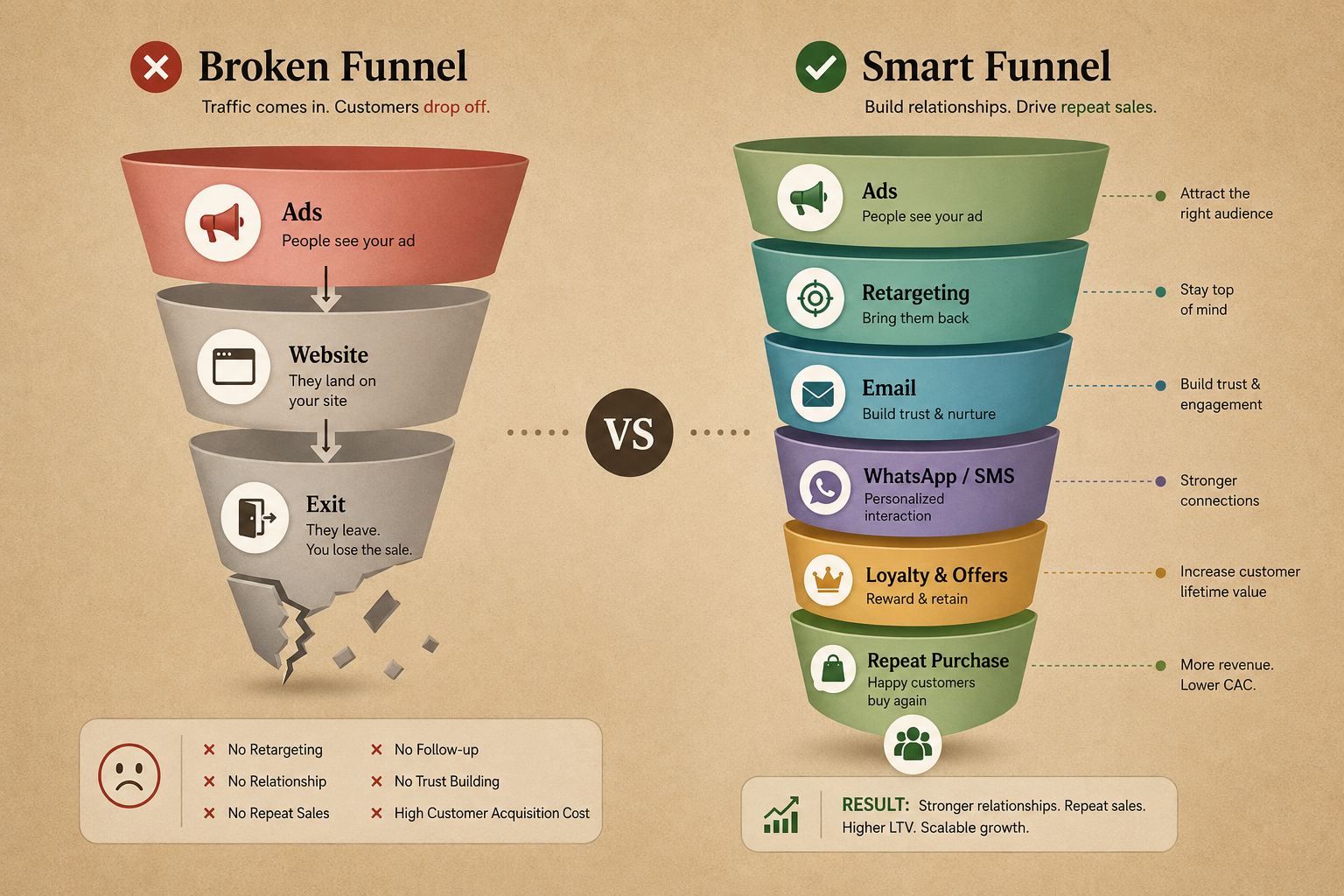
The brands scaling successfully today understand that profitable growth comes from building customer ecosystems, not just running ads. Instead of chasing onetime purchases, they focus on creating long term customer relationships that increase repeat purchases, loyalty, and lifetime value.Why Authentic Storytelling Converts Better Than Aggressive Selling
Consumers are exhausted by aggressive advertising. People no longer want to feel pressured into buying products. They want to feel understood, which is why authentic storytelling has become one of the most powerful tools in modern D2C marketing.
Modern audiences respond better to relatable experiences, emotional narratives, personal stories, and real customer situations than polished sales messaging. The best D2C video ads often feel more like entertainment or social content than traditional advertisements because they focus on human emotions first and selling second.
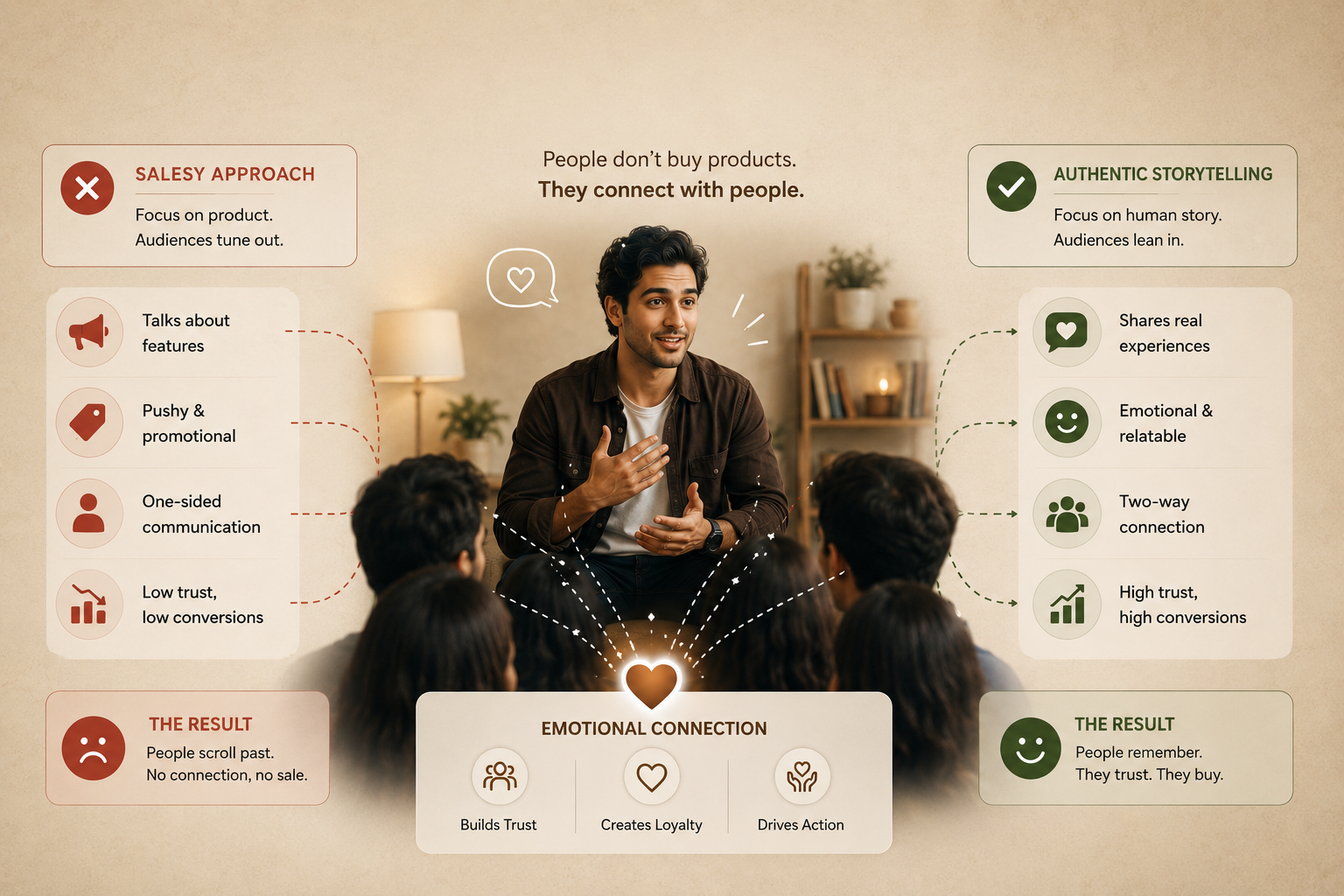
For example, a fitness brand might create content around confidence struggles, consistency issues, emotional frustration, and transformation journeys instead of simply listing product features. This type of storytelling feels more relatable and helps audiences emotionally connect with the brand.
Humans connect emotionally before they buy logically.
This is why storytelling consistently outperforms aggressive selling. When people emotionally relate to a situation, they naturally become more interested in the solution being offered.
Even brands creating SaaS Explainer Video or B2B Explainer Video campaigns are now using emotional storytelling because audiences engage more with relatable communication than technical explanations.
Data Driven Testing Is the Real Secret Behind High Converting D2C Video Ads
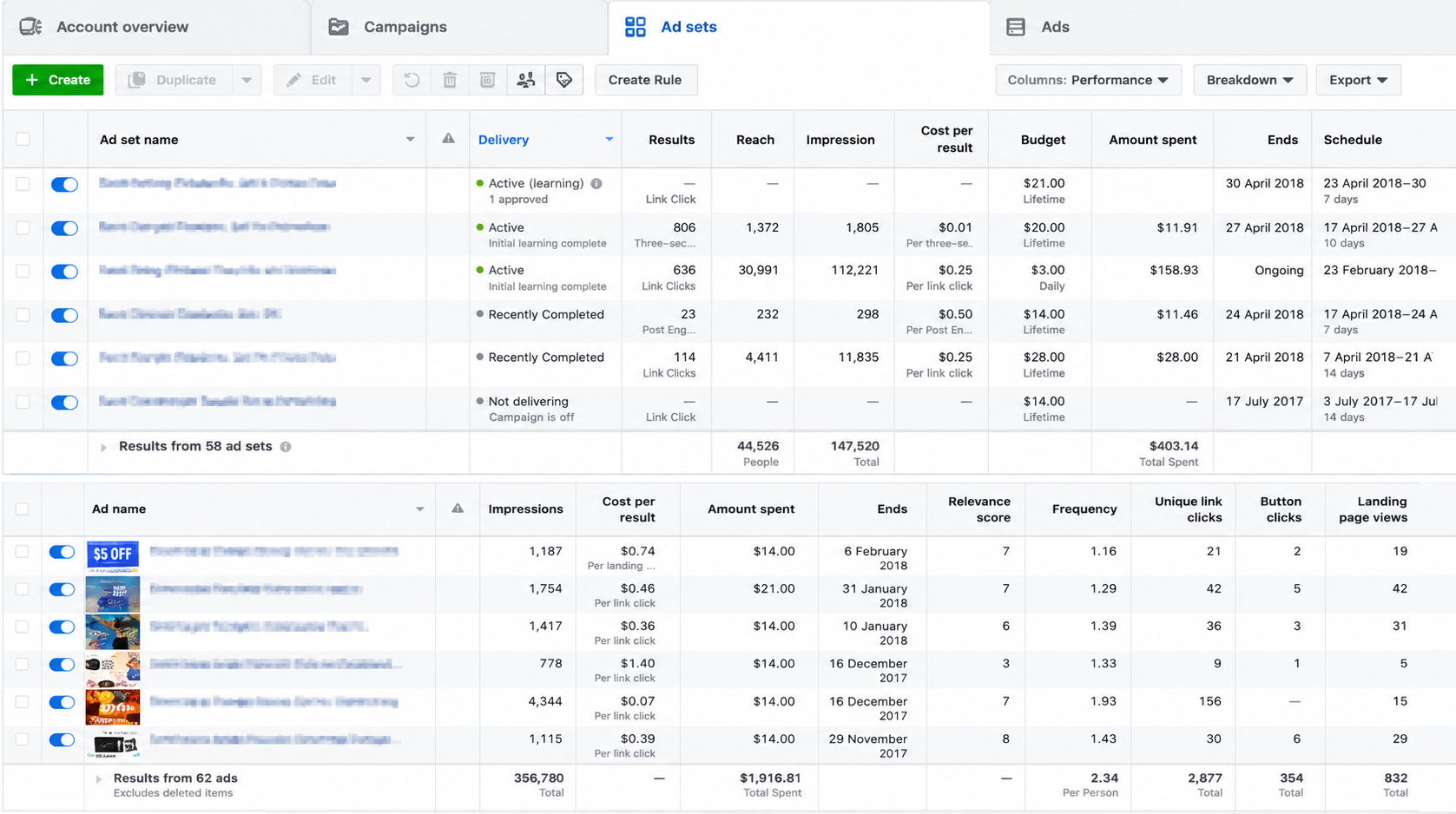
The highest converting brands do not rely on guesswork. They continuously analyze customer behavior, test creatives, and optimize campaigns based on performance data.What Top D2C Brands Test Regularly
Successful performance marketing is data driven. Winning brands constantly test hooks, thumbnails, emotional angles, CTAs, landing pages, offers, and audience segments to understand what actually drives conversions.The best performing D2C video ads are rarely successful on the first attempt. Instead, they improve through continuous testing and optimization. Even a small change in the opening hook can significantly improve engagement, clickthrough rates, and return on ad spend.Modern consumer behavior changes quickly, which means brands cannot rely on assumptions or outdated strategies. The companies scaling successfully use analytics, customer behavior insights, and conversion data to make smarter creative decisions.This testing mindset is what separates profitable D2C brands from struggling competitors.Why Mobile User Experience Matters More Than Ever
In 2026, mobile experience directly impacts conversion performance because most D2C purchases now happen through smartphones. Consumers expect websites to feel fast, smooth, and effortless from the moment they click on an ad. If the mobile experience feels slow or confusing, users instantly lose interest and leave the website.
Modern shoppers expect:
- fast loading speed
- responsive layouts
- simple navigation
- frictionless checkout
- clear CTAs
- mobile friendly product pages
Any delay increases drop offs and reduces buying intent.
After watching D2C video ads, users already have emotional momentum and curiosity about the product. But poor mobile experience destroys that momentum immediately. Many brands lose conversions not because their ads are weak, but because the website experience creates unnecessary friction during the buying journey.
This is why successful D2C brands focus heavily on optimizing the entire mobile customer experience. They simplify navigation, reduce checkout steps, improve page speed, and make purchasing feel seamless across devices.
Even small improvements in mobile usability can significantly increase conversion rates, customer satisfaction, and long term profitability.
How Winning Brands Build High Converting D2C Video Ads in 2026
D2C advertising has changed dramatically in 2026. Consumers are no longer impressed by polished commercials or aggressive sales messaging. They expect authenticity, relevance, speed, trust, and emotional connection from every brand interaction.
This is why many D2C video ads fail to convert despite increasing ad budgets and heavy production spending. Weak hooks, disconnected landing pages, poor mobile experiences, and missing funnel systems quietly destroy campaign performance.
The brands winning today understand that successful D2C marketing is not just about running ads. It is about building better customer experiences through authentic storytelling, fast user experience, emotional relevance, and data driven optimization.
Because in today’s attention economy, the brands that feel human will always outperform the brands that simply look expensive.
Unlock the power of captivating visuals with our seasoned expertise! With 7 years of crafting compelling visual content, we’re ready to elevate your brand’s story. From stunning graphics to mesmerizing animations, we bring your vision to life. Let’s create engaging visuals that resonate with your audience and leave a lasting impression. Partner with us today for an unforgettable visual journey!

That is not sustainable marketing. That is gambling.