

Table of Contents
Finance startups are transforming the way people manage money, invest, borrow, and make financial decisions. New fintech tools promise faster payments, smarter investments, automated accounting, and improved financial accessibility. Yet despite innovation and strong technical capabilities, many companies struggle with marketing for finance startups.
A common mistake founders make is believing that a great product will automatically attract customers. In reality, even the most advanced financial product can fail if customers don’t understand its value. Financial services often involve complex processes, unfamiliar terminology, and perceived risk. Without strong communication, potential users hesitate to trust or adopt new solutions.
Research suggests that 42% of startups fail because there is no real market need, while nearly 90% of startups fail overall. While product issues contribute to failure, weak marketing plays a major role. When messaging is unclear, positioning is weak, or trust is missing, customers simply move on.
Effective marketing for finance startups requires clarity, credibility, and consistency. Customers must understand what the product does, why it matters, and why they should trust the company. Video has become one of the most effective tools to communicate this value. It simplifies complex ideas, improves engagement, and helps build confidence.
Let’s explore why marketing fails in the finance industry and how video can improve results.
Marketing for Finance Startups Often Fails Due to Lack of Market Understanding
One of the most common reasons marketing for finance startups fails is a weak understanding of the target audience. Many founders focus heavily on building advanced features but spend very little time validating whether customers actually need those features. Assumptions often replace real research, and as a result, marketing messages fail to connect with the people the product is meant for.
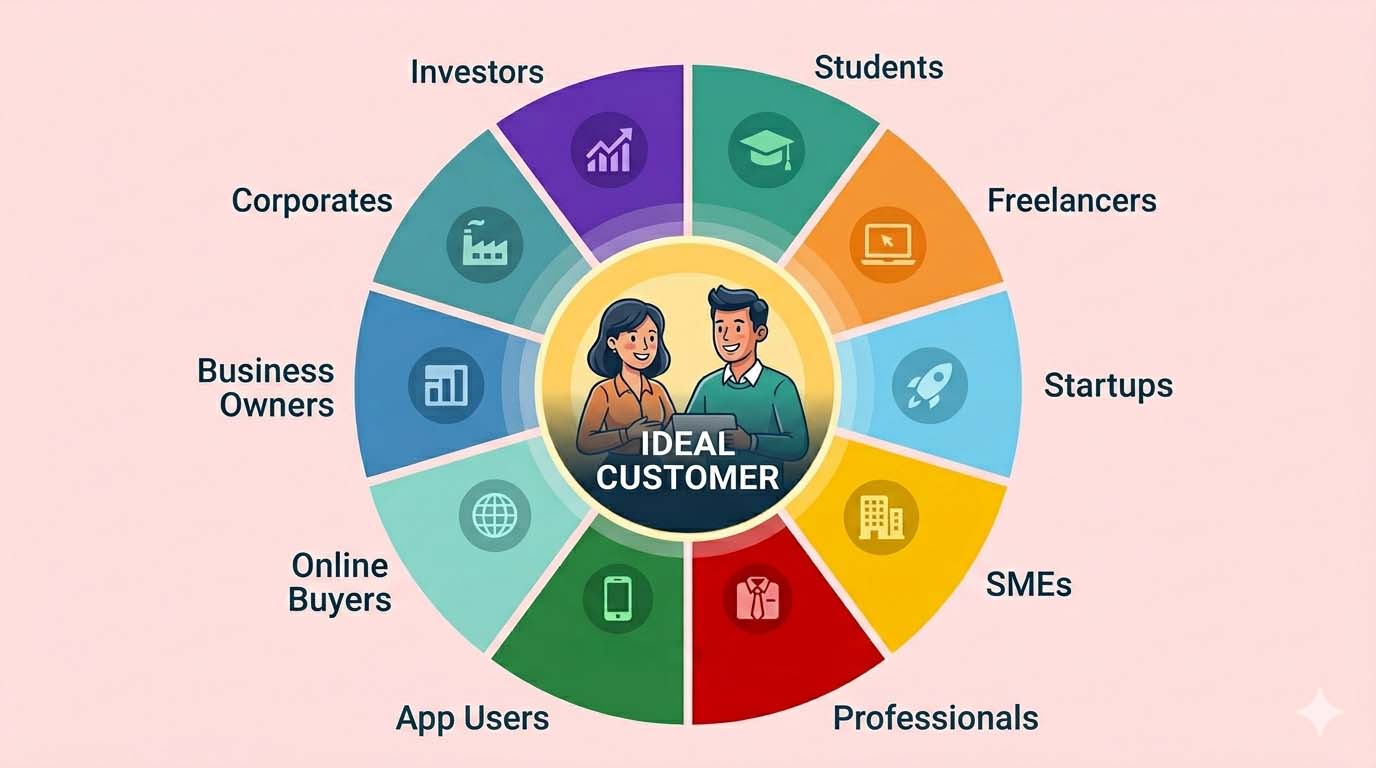
Finance products are especially sensitive because they deal with money, risk, and long-term decision-making. Customers don’t adopt new financial tools quickly unless they clearly see the benefit. If a startup does not understand customer concerns, expectations, or fears, it becomes difficult to position the product effectively. Even a technically strong solution may struggle if it is marketed with unclear or irrelevant messaging.
Poor product-market fit is a major reason why adoption remains low. A product may be innovative, but innovation alone does not guarantee success. Customers need solutions that directly address their specific problems. For example, a fintech app offering advanced investment analytics may fail if the target audience actually wants simple budgeting tools. When startups build products based on internal assumptions instead of real user demand, marketing efforts become less effective.
Another common challenge is overestimating how quickly customers will adopt new financial technology. Financial habits are deeply rooted, and users often prefer familiar tools. Switching financial platforms involves perceived risk, which makes customers cautious. Without understanding how customers evaluate risk and trust, marketing messages may appear unconvincing or incomplete.
Customer feedback plays an essential role in improving both product and marketing strategy. Feedback reveals what customers find confusing, valuable, or unnecessary. It highlights gaps in messaging and helps startups refine how they communicate benefits. Companies that actively listen to users can improve positioning and build stronger connections with their audience.
Market research helps identify customer pain points, expectations, and decision triggers. Understanding these factors allows startups to create messaging that feels relevant and relatable. Instead of promoting features alone, companies can highlight real-life benefits and outcomes that matter to users.
Clear market understanding also helps startups choose the right communication channels. Different customer segments consume information differently. Some prefer detailed guides, while others respond better to short videos or visual explanations. Aligning content formats with audience preferences improves engagement and comprehension.
Successful marketing for finance startups begins with understanding the customer journey. When startups know what their audience needs, what concerns them, and what motivates them, they can create messaging that builds trust and encourages adoption.
Marketing for Finance Startups Struggles with Weak Value Proposition
Financial services operate in highly competitive markets where many products appear similar at first glance. Without a strong and clearly defined value proposition, it becomes difficult for startups to stand out. Even innovative financial solutions can struggle to gain attention if customers cannot quickly understand what makes the product useful or different.

Customers usually evaluate financial products very carefully because their money is involved. They want simple and direct answers before they consider switching from their existing solution. Most potential users are thinking:
- What exactly does this product do?
- How does it help me solve a real problem?
- Why should I choose this instead of other options?
- Is this company reliable and trustworthy?
If these questions are not answered clearly, customers often lose interest. Many finance startups use technical language or complicated descriptions that make products harder to understand. Instead of highlighting practical benefits, they focus too much on features or technology. This creates confusion and reduces engagement.
Weak positioning also reduces brand memorability. When messaging sounds generic, customers may feel that multiple companies offer the same solution. Without clear differentiation, it becomes difficult to build strong brand recognition.
A strong value proposition helps customers quickly understand why the product matters. Clear communication improves perceived value and makes decision-making easier. Instead of presenting too much technical detail, startups should focus on explaining how their solution improves efficiency, saves time, reduces risk, or simplifies financial processes.
Visual communication can also help clarify complex value propositions. Explaining financial solutions through simplified visual storytelling makes the benefits easier to understand and remember.
Startups that clearly define their unique advantages gain stronger customer attention and better conversion results. When customers immediately understand the value, they are more likely to explore the product further and move toward adoption.
Marketing for Finance Startups Fails When Trying to Target Everyone
One common mistake in marketing for finance startups is trying to attract too many different types of customers at the same time. Many founders believe that reaching a larger audience increases growth potential, but broad targeting often weakens communication. When messaging tries to speak to everyone, it usually ends up connecting with no one.
Financial products often serve very specific needs. For example, a budgeting app designed for freelancers should not be marketed the same way as an enterprise financial analytics platform. Each audience has different goals, challenges, and expectations. Without a clearly defined customer segment, marketing messages become too general and fail to create meaningful engagement.
Successful startups usually begin with a niche market. Instead of targeting all possible users, they focus on a clearly defined group that is most likely to benefit from the product. This approach allows companies to create more relevant messaging, stronger positioning, and more efficient campaigns.
Niche targeting helps startups better understand customer priorities and behavior. When messaging directly addresses a specific audience’s needs, customers feel that the product was designed specifically for them. This improves engagement and builds trust faster.
Targeted marketing also improves resource efficiency. Instead of spending budget on broad campaigns with low relevance, startups can invest in channels and messages that produce higher conversion potential. Over time, this focused approach helps build authority within a specific segment, making it easier to expand into new markets later.
Clear targeting improves conversion rates because customers feel understood. When marketing communicates directly to a defined audience, it creates stronger connection and improves decision confidence.
Marketing for Finance Startups Requires a Structured Strategy
Another major challenge in marketing for finance startups is the lack of a clear and consistent strategy. Many startups experiment with different marketing activities without defining a long-term plan. Posting occasionally on social media, running ads without clear objectives, or publishing random content rarely produces sustainable growth.
Marketing should operate as a structured system rather than a series of disconnected actions. Without alignment between messaging, channels, and goals, campaigns often produce inconsistent results. A strong strategy ensures that every marketing activity supports a larger business objective.Without a structured marketing approach, many companies struggle with inconsistent growth and poor user retention, which is one of the common mistakes financial startups make.
A structured marketing approach helps startups communicate consistently across multiple touchpoints. Instead of focusing only on immediate conversions, successful companies guide potential customers through a logical journey that builds awareness, understanding, and trust.
Marketing Funnel Improves Customer Journey
A marketing funnel helps organize communication according to different stages of customer readiness.

At the awareness stage, customers are just beginning to recognize a problem. Content at this stage introduces challenges and helps users understand why a solution may be necessary.
At the consideration stage, customers begin evaluating different options. Here, marketing content focuses on explaining how the product works and how it compares to alternatives.
At the decision stage, customers look for reassurance before taking action. Testimonials, demonstrations, and clear benefit explanations help strengthen confidence.
Each stage requires a different communication style. When startups use the same message for every stage, potential customers may lose interest or fail to see the relevance of the product.
Consistency across the funnel strengthens brand recognition and improves customer experience. A structured strategy ensures that messaging remains aligned and supports long-term growth instead of short-term experimentation.
When marketing activities are planned strategically, startups can improve engagement, increase conversion efficiency, and create a more predictable growth process.
Marketing for Finance Startups Must Focus on Trust Building
Trust is one of the most important factors in marketing for finance startups because financial decisions involve risk, responsibility, and long-term commitment. Unlike entertainment or retail purchases, users are extremely careful when choosing financial products. They want assurance that their money, personal data, and transactions are safe.
Customers rarely trust a new financial service immediately. Before making a decision, they often evaluate multiple factors such as credibility, transparency, and reliability. Even if a product offers useful features, lack of trust can prevent adoption. Trust reduces perceived risk, which is essential in financial decision-making.
Many startups expect quick conversions after launching marketing campaigns, but financial decisions usually take longer. Customers often compare multiple platforms, read reviews, and explore available alternatives before making a choice. They may revisit the website several times before feeling confident enough to proceed.
Trust develops gradually through consistent communication and positive user experience. When customers see clear messaging, professional presentation, and reliable information, they begin to feel more comfortable with the brand.
Trust Signals Improve Decision Confidence
Trust signals are elements that help users feel confident about a company’s credibility. These signals provide reassurance that the product is legitimate and widely accepted by other users.
Common trust signals include:
- customer testimonials
- verified reviews
- case studies
- security badges
- transparent pricing
- real product demonstrations
Testimonials and reviews show that other users have already had positive experiences. Case studies provide deeper insight into how the product solves real problems. Transparent communication about features, pricing, and policies reduces uncertainty.
Trust-building content helps customers feel more secure when evaluating financial products. When users perceive a brand as honest and reliable, they are more likely to move forward in the decision process.
Strong credibility also improves long-term relationships. Customers are more likely to remain loyal when they feel confident in the service provider.
Marketing for Finance Startups Needs Content That Explains Value Clearly
Many companies invest heavily in advertising but overlook the importance of clear and helpful content. Advertising can attract attention, but it does not always provide enough information for customers to understand financial products fully. Without proper explanation, potential users may feel confused and hesitant.
Financial tools often include technical processes, structured workflows, or detailed features that require clarification. Customers want to understand how the product works, how it benefits them, and whether it fits their needs. Clear information reduces uncertainty and helps users evaluate solutions confidently.
Content plays an important role in presenting product value in a simple and structured way. Informative pages, FAQs, guides, and comparisons help customers explore features more comfortably. Instead of feeling overwhelmed, users can review information at their own pace.
Well-structured content also improves search visibility. Search engines prioritize pages that provide useful and relevant information. When content answers real user questions, it attracts organic traffic from people actively searching for solutions.
Clear communication helps customers understand pricing models, benefits, and practical applications. When information is easy to understand, customers feel more confident about taking the next step.
High-quality content supports longer decision-making cycles that are common in financial services. Customers may return multiple times to review details before making a final decision. Providing accessible information at every stage helps maintain interest and builds credibility.
Strong content not only improves understanding but also strengthens brand authority. Companies that provide helpful information are more likely to be seen as knowledgeable and trustworthy.
Marketing for Finance Startups Requires Strong Branding and Communication
In the financial industry, brand perception directly influences trust. Unlike impulse purchases, financial decisions involve risk, responsibility, and long-term commitment. If a startup appears unprofessional or inconsistent, potential customers may hesitate to engage with the product. Strong branding helps reduce uncertainty and creates a sense of reliability.
Weak branding often signals instability, which can discourage users from trusting a financial service. Customers want assurance that the company handling their money is credible, transparent, and dependable. A clear brand identity communicates professionalism and seriousness, both of which are essential in financial markets.
A professional visual presentation improves perceived reliability. Elements such as logo design, typography, color consistency, and website layout contribute to how users evaluate a brand. Consistent visual identity strengthens recognition across platforms, helping customers remember the company more easily. When branding is inconsistent, users may question the legitimacy of the service.
Clear storytelling also improves engagement. People connect more strongly with brands that communicate purpose and vision effectively. Storytelling helps explain why the company exists and how it helps customers solve problems. Instead of presenting only technical features, strong communication highlights meaningful outcomes and benefits.
Transparency plays a major role in shaping brand perception. Financial products often involve sensitive information, so customers look for companies that communicate openly. Transparent messaging builds confidence and reduces hesitation, especially when customers are comparing multiple solutions.
Strong branding helps startups differentiate themselves in crowded markets. When customers recognize a brand easily and associate it with reliability, they are more likely to consider the product seriously. Memorable branding improves recall and strengthens long-term customer relationships.
Marketing for Finance Startups Should Be Data-Driven
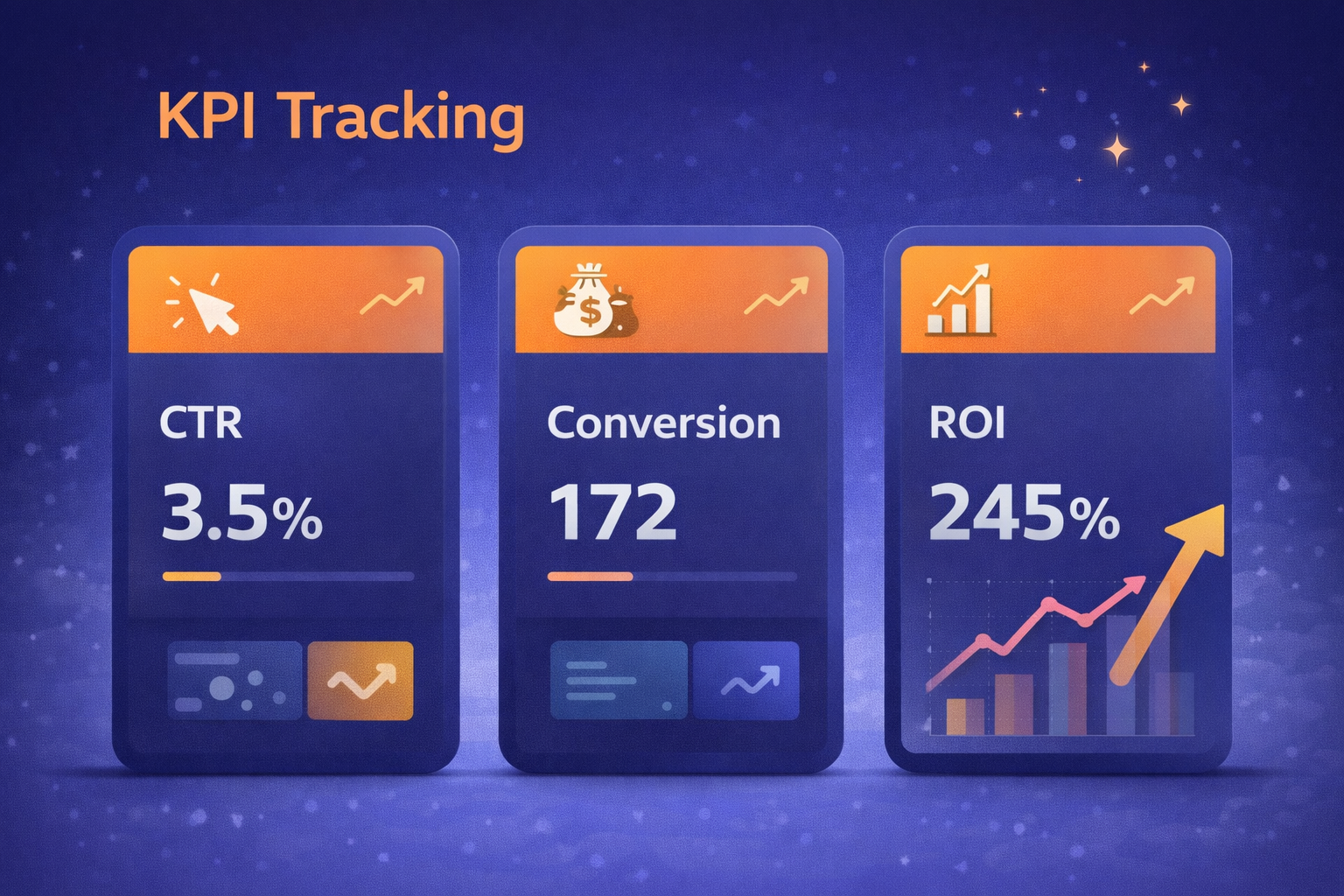
Many startups rely on assumptions when making marketing decisions. While intuition can be helpful, relying only on guesses often leads to inefficient campaigns. Data-driven decision-making allows startups to understand what is actually working and what needs improvement.
![]()
Analytics tools provide insights into customer behavior, engagement patterns, and campaign performance. Tracking performance metrics helps identify which strategies generate results and which require adjustment. Instead of investing blindly, startups can focus on activities that produce measurable impact.
Data-driven marketing improves efficiency by helping teams allocate resources more effectively. When companies understand which channels generate engagement, they can prioritize high-performing strategies. Performance data helps refine messaging, targeting, and timing, leading to better overall results.
Testing different approaches allows startups to learn continuously. Experimenting with messaging styles, formats, and communication channels reveals what resonates most with customers. Optimization is an ongoing process, not a one-time activity.
Continuous improvement strengthens long-term growth strategy. Instead of relying on temporary tactics, data helps create a stable foundation for sustainable marketing performance. Measuring results regularly ensures that marketing efforts remain aligned with business goals.
Customer Psychology Plays a Key Role in Marketing for Finance Startups
Understanding customer psychology is essential in marketing for finance startups because financial decisions involve emotional and rational factors. People often feel cautious when choosing financial products because the perceived risk is higher compared to everyday purchases. Customers want clarity and reassurance before trusting a new financial solution.

Financial decisions usually involve careful evaluation. Customers may take time to research features, compare options, and consider potential outcomes. Higher perceived risk naturally slows decision-making, which makes clear communication extremely important.
Too much technical information can overwhelm users. Financial terminology can feel complicated, especially for customers who are unfamiliar with industry-specific language. Simple explanations improve understanding and reduce confusion. When information feels easy to process, customers are more likely to continue exploring the product.
Financial Decisions Involve Higher Perceived Risk
People tend to trust brands that provide helpful information rather than focusing only on selling. Informative communication creates a sense of support and reliability. Customers prefer brands that guide them through decisions instead of pressuring them to act quickly.
Clear examples help customers visualize how a product works in real situations. Practical explanations make abstract financial concepts easier to understand. Relatable communication improves confidence and encourages engagement.
When startups understand customer psychology, they can create marketing messages that feel supportive rather than overwhelming. Effective communication reduces hesitation and improves decision confidence, helping potential users feel comfortable moving forward.
How Video Improves Marketing for Finance Startups
Video is one of the most powerful tools for improving marketing for finance startups. Complex financial concepts can be difficult to explain using text alone.
Video simplifies communication through visuals and storytelling. Explainer videos present product value clearly and improve understanding.
Explainer Videos Simplify Complex Financial Concepts
Visual storytelling makes technical information easier to understand.
A 2D animated explainer video can illustrate workflows, financial processes, and benefits in a simple format.
Custom Explainer Video Strengthens Brand Communication
A custom explainer video allows startups to present their unique value proposition clearly.
Video also humanizes the brand. Founder stories and customer testimonials build emotional connection.
Short-form videos perform well on social media platforms and increase reach.
An infographics explainer video can visually present statistics and comparisons, making data easier to understand.
Video content improves engagement and helps audiences retain information longer.
Competitive Advantage of Video in Marketing for Finance Startups
Video helps startups stand out in crowded markets where many competitors rely only on text-based communication. Visual content makes complex financial ideas easier to understand, helping users quickly see how a product works and why it is valuable.
Video also increases the time users spend on websites, which improves engagement and conversion potential. When customers can clearly understand a product, they feel more confident making decisions. Consistent video style strengthens brand identity and improves recognition across platforms.
Working with a professional explainer video company helps startups create structured and high-quality content that communicates value clearly. Some of the best explainer video companies specialize in presenting complex fintech concepts in a simple and engaging format.
A B2B explainer video helps explain software platforms, financial tools, and services designed for business users. Video also improves onboarding by guiding users step-by-step, reducing confusion and improving user experience.
Long-Term Benefits of Video Content in Marketing for Finance Startups
Video content continues generating value long after it is published. Evergreen videos attract consistent traffic and support multiple marketing channels. Video helps customers understand products gradually, building trust over time.
A structured video library strengthens brand authority and improves online visibility. A SaaS explainer video can continue generating leads because software products often require detailed explanation before adoption.
Video also supports longer decision cycles common in financial services. Customers may revisit content multiple times before making a decision. Consistent video communication strengthens credibility and improves long-term growth potential.
Conclusion
Many companies struggle with marketing for finance startups because financial products require clarity, trust, and effective communication. Weak positioning, poor targeting, and lack of structured strategy often lead to low adoption.
Customers need simple explanations and confidence before choosing financial solutions. Video helps communicate complex ideas clearly and improves engagement.
When startups combine strong strategy with clear storytelling, they improve visibility, credibility, and conversion performance.
By using video effectively, finance startups can transform complicated messaging into clear communication that builds trust and drives growth.
Unlock the power of captivating visuals with our seasoned expertise! With 7 years of crafting compelling visual content, we’re ready to elevate your brand’s story. From stunning graphics to mesmerizing animations, we bring your vision to life. Let’s create engaging visuals that resonate with your audience and leave a lasting impression. Partner with us today for an unforgettable visual journey!Â
