
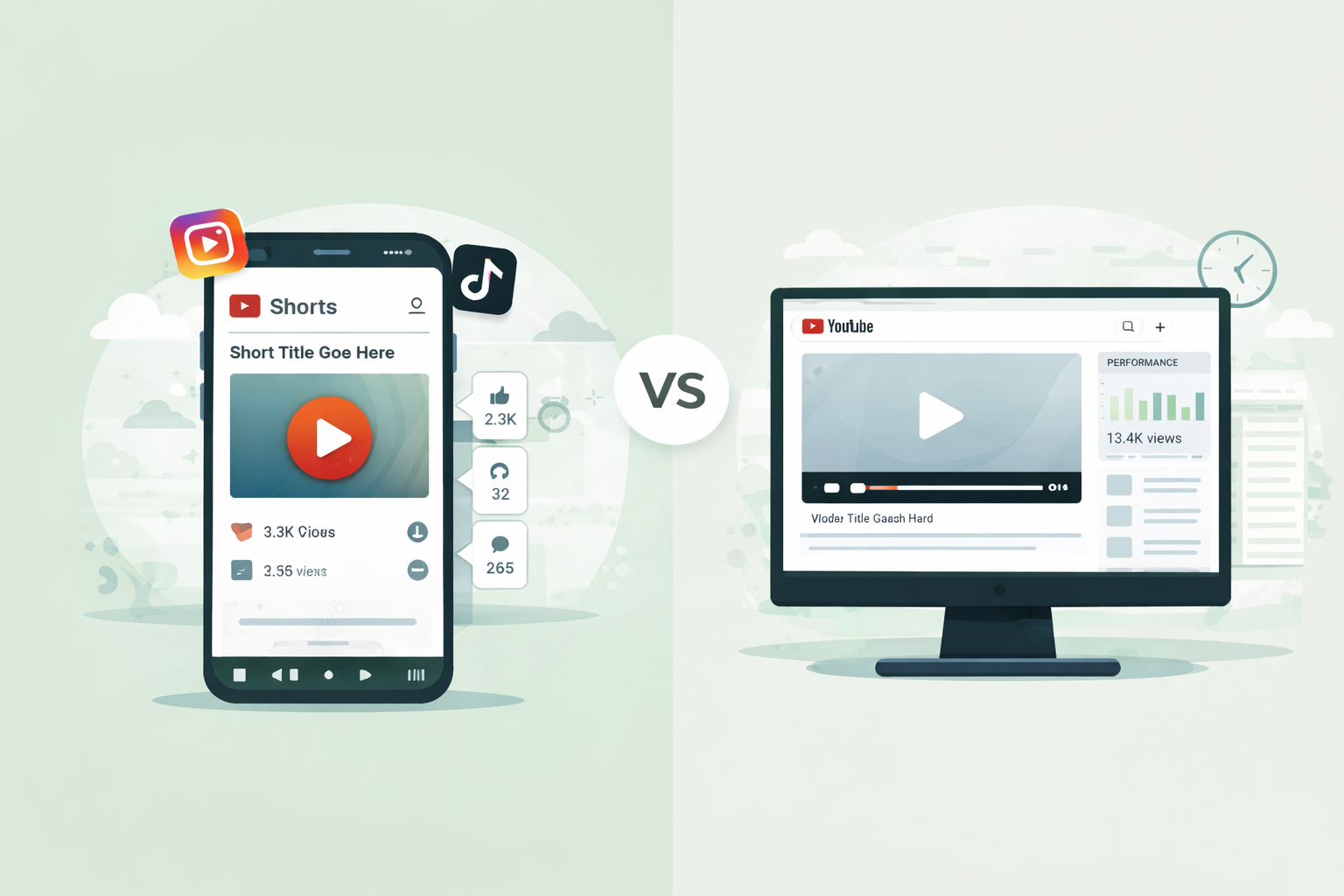
Why Video Content Matters in a Brand Growth Content Strategy
Video has become one of the most powerful communication tools in digital marketing—and for good reason. People don’t just consume video; they connect with it on a more emotional and human level. Video blends visuals, sound, and storytelling, making messages easier to understand and far more memorable than text alone.
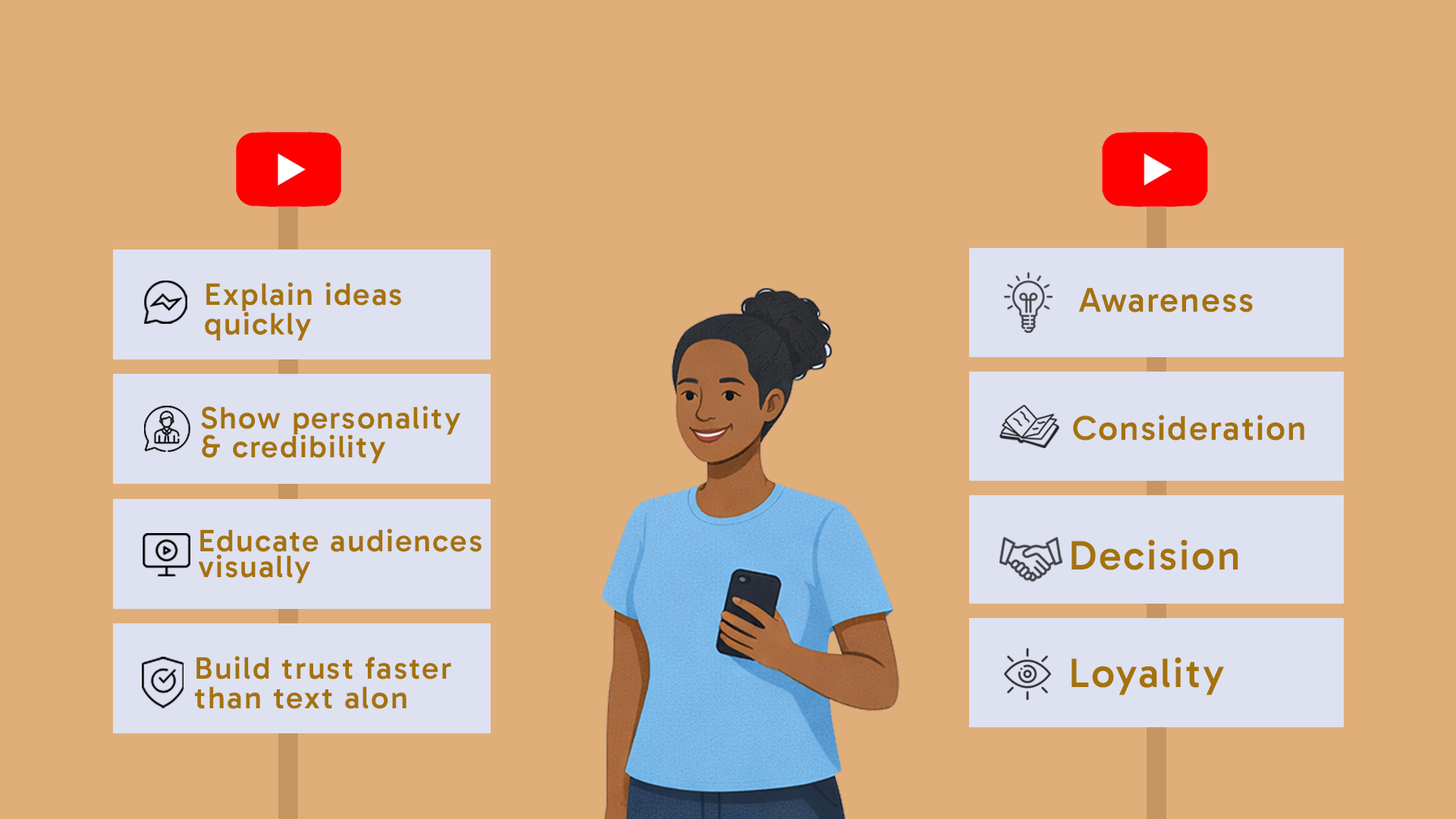
Video helps brands:
- Explain ideas quickly, without overwhelming the audience
- Show personality and credibility, making the brand feel more human
- Educate audiences visually, which improves clarity and retention
- Build trust faster than text alone, because viewers can see and hear the brand behind the message
From quick social clips that drive awareness to long-form educational videos that support consideration and conversions, video content now plays a role at every stage of the marketing funnel. That’s why any serious brand growth content strategy today is built around video—not as an add-on, but as a core foundation.
Whether it’s a short Reel or a detailed walkthrough, video gives brands the power to be seen, heard, and remembered in an increasingly crowded digital space.
Benefits of Short-Form Video for Brand Awareness and Reach
Short-form video works because it matches how people consume content today. Audiences scroll fast, make decisions in seconds, and move on just as quickly. Short videos are designed for this exact behavior, making them a powerful tool at the awareness stage of a brand growth content strategy.
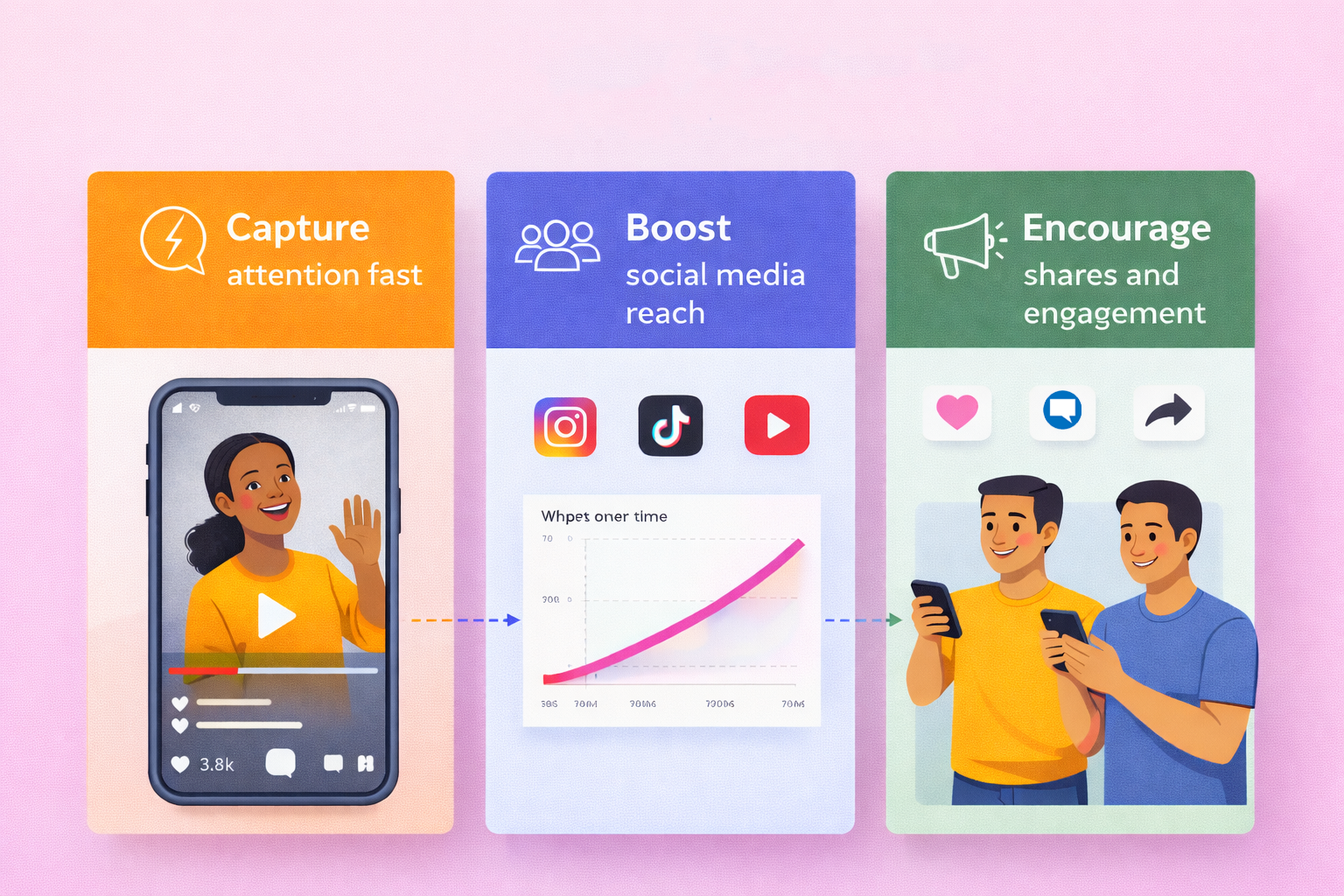
Short-form videos are effective because they:
- Grab attention within seconds
- Are easy to consume, save, and share
- Cost less to produce compared to long-form content
- Perform well with social media algorithms
Because of these strengths, short-form video is ideal for:
- Building brand awareness
- Reaching new audiences
- Testing hooks, messages, and creative ideas quickly
That’s why many brands begin their brand growth content strategy with short-form video. It helps you get noticed and stay visible. However, attention alone doesn’t create lasting brand value—long-term trust and conversions are built when short-form content is supported by deeper, long-form video experiences.
Benefits of Long-Form Video in a Brand Growth Content Strategy
While short videos win on speed and visibility, long-form videos win on substance and staying power. They give brands the space to slow down and communicate with depth, which is essential when trust and understanding matter. In a strong brand growth content strategy, long-form video is where meaningful connections are built.
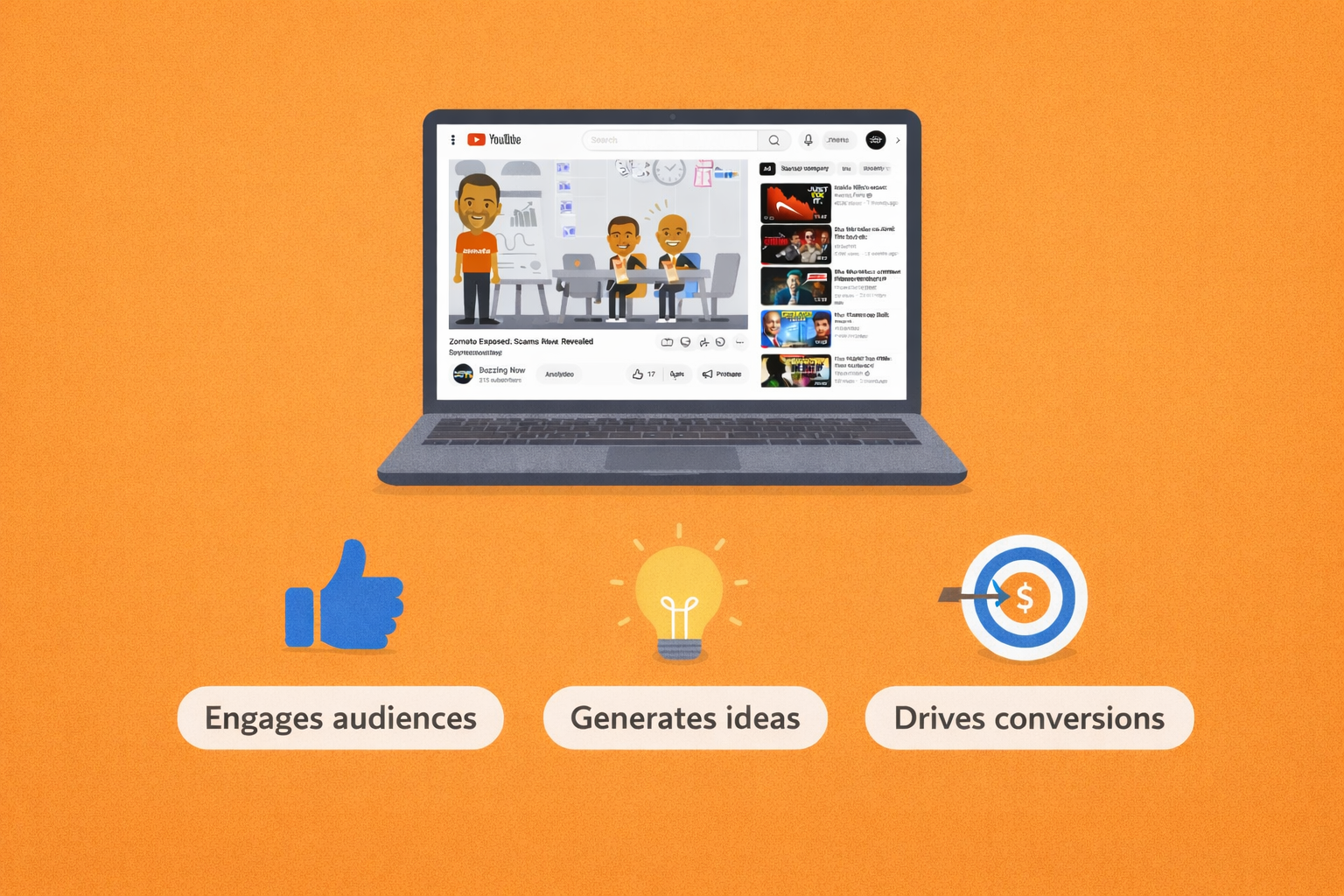
Long-form content allows brands to clearly showcase their expertise and tell complete, well-structured brand stories instead of fragmented messages. It creates room to address common objections, answer questions, and guide viewers through complex ideas without rushing. This deeper level of education helps audiences feel more confident and informed, which directly influences decision-making.
Beyond engagement, long-form video also delivers strong SEO value. Longer, more detailed videos tend to rank better on Google and YouTube, drive steady organic traffic over time, and increase watch time and session duration. This is especially important for brands working with an explainer video company or creating content like a SaaS explainer video or B2B explainer video, where clarity, structure, and detail are critical for conversions and long-term growth.
Short vs Long: A Clear Comparison for Brand Growth Content Strategy
The easiest way to understand the difference between short-form and long-form video is to look at what role each one plays in your marketing funnel. Both formats are valuable, but they solve very different problems inside a brand growth content strategy.
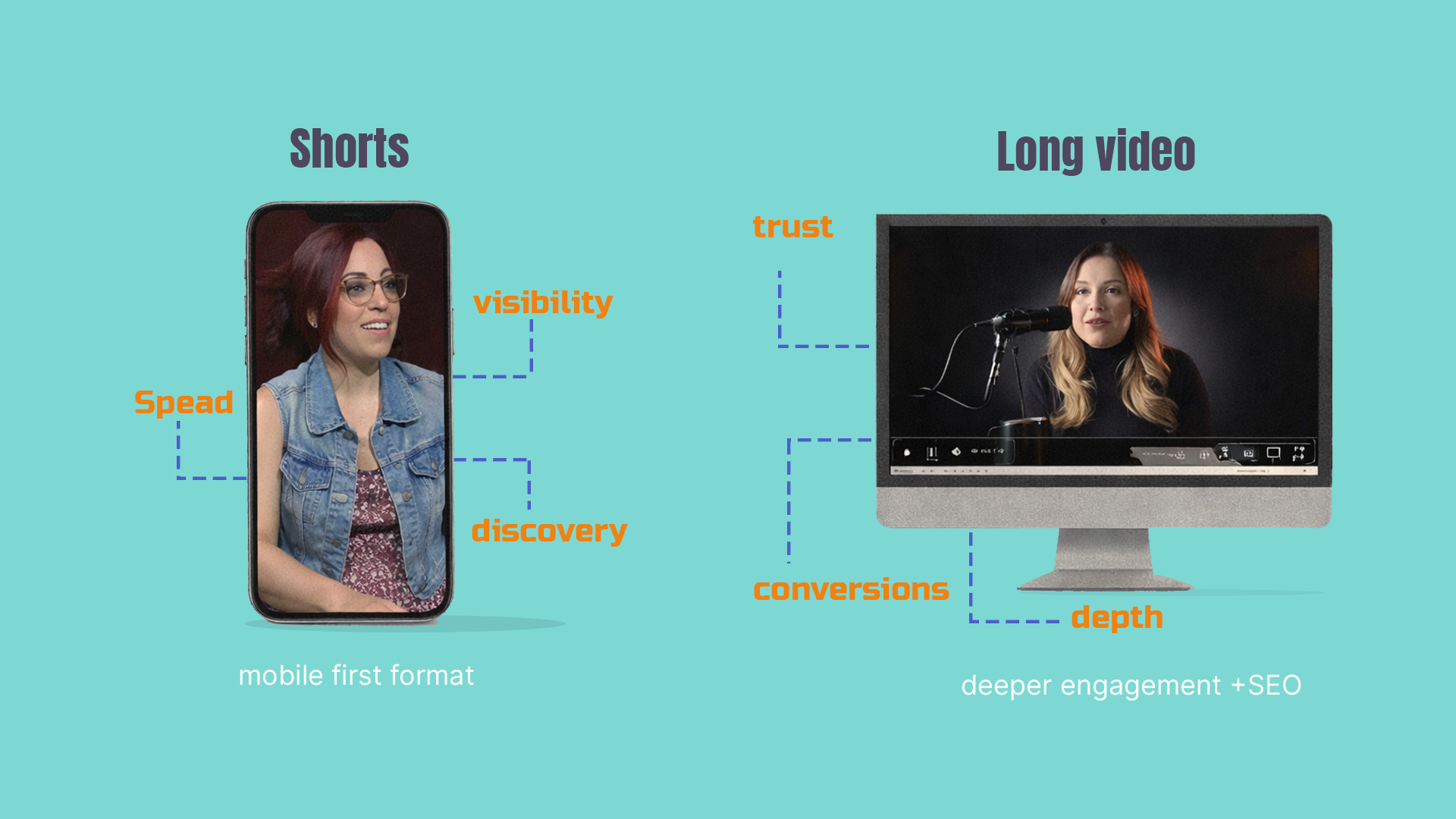
Short-form video is built for speed and visibility. It’s:
- Fast and highly engaging
- Focused on discovery and first impressions
- Designed to maximize reach on social platforms
Short-form content helps your brand get noticed. It pulls people in, sparks curiosity, and introduces your message to new audiences who may not be actively searching for you.
Long-form video, on the other hand, is built for depth and trust. It’s:
- Educational and detailed
- Focused on building credibility
- Designed to drive conversions and informed decisions
Long-form content is what moves people forward—turning interest into understanding and trust into action.
A smart brand growth content strategy doesn’t force you to choose between the two. Instead, it connects short-form and long-form intentionally, using short videos to attract attention and long videos to deepen engagement and deliver real business results.
Which Video Format Is Right for Your Brand Growth Content Strategy?
Choosing the right video format isn’t about copying what’s trending—it’s about aligning your content with clear business objectives. A successful brand growth content strategy starts by understanding why you’re creating video in the first place and who it’s for. The right format becomes obvious when you evaluate these three key factors.
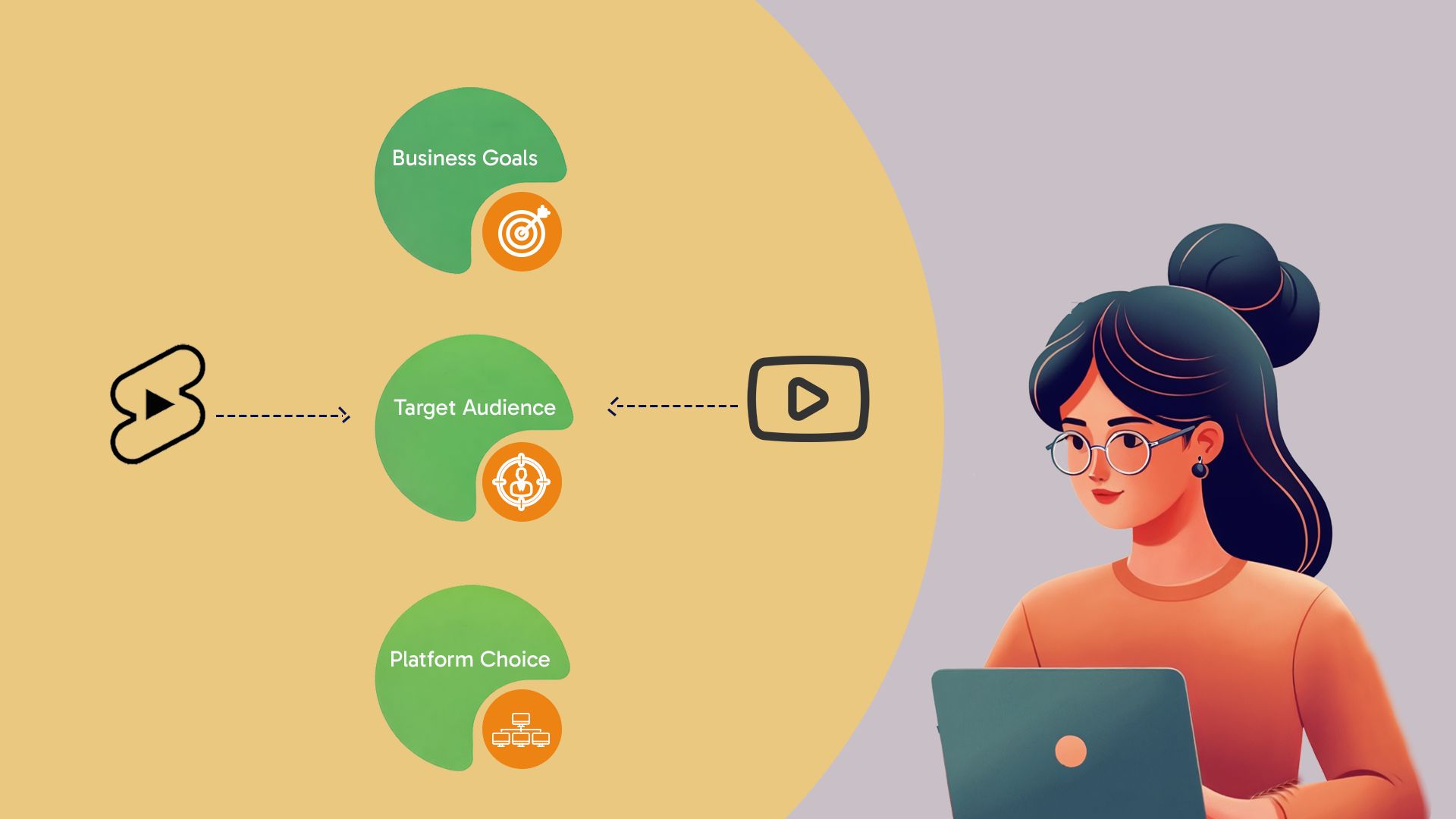
Your Business Goals
Every video should serve a purpose. If your primary goal is visibility, reach, and engagement, short-form video is often the better starting point. It helps your brand show up frequently, test messaging quickly, and capture attention in crowded feeds.
If your goal is authority, lead generation, or sales, long-form video becomes essential. Longer content gives you space to explain value, handle objections, and guide viewers toward informed decisions. This is especially true for complex offerings where trust matters.
Your Target Audience
Different audiences consume content differently. B2B audiences usually expect depth. They want case studies, walkthroughs, webinars, and detailed explanations that help them evaluate solutions. Short clips may attract them, but long-form content convinces them.
Consumer-focused audiences, on the other hand, often respond faster to short, entertaining, or emotionally engaging videos. However, even here, long-form content plays a role when viewers move from curiosity to consideration.
Your Platform Choice
Platforms shape behavior. Social platforms reward short, high-energy videos designed for quick consumption. YouTube, however, rewards depth, consistency, and watch time, making it ideal for long-form storytelling and education.
The biggest mistake brands make is following trends blindly instead of aligning video formats with strategy. When your format matches your goals, audience, and platform, your brand growth content strategy becomes more effective—and far easier to scale.
Knowing Your Audience and Goals Is Key to Brand Growth Content Strategy
Understanding how your audience consumes content can completely change how effective your brand growth content strategy is. Without this clarity, even well-produced, visually polished videos can fail to deliver results. The goal isn’t just to create content consistently—it’s to create the right content for the right people at the right stage of their journey.
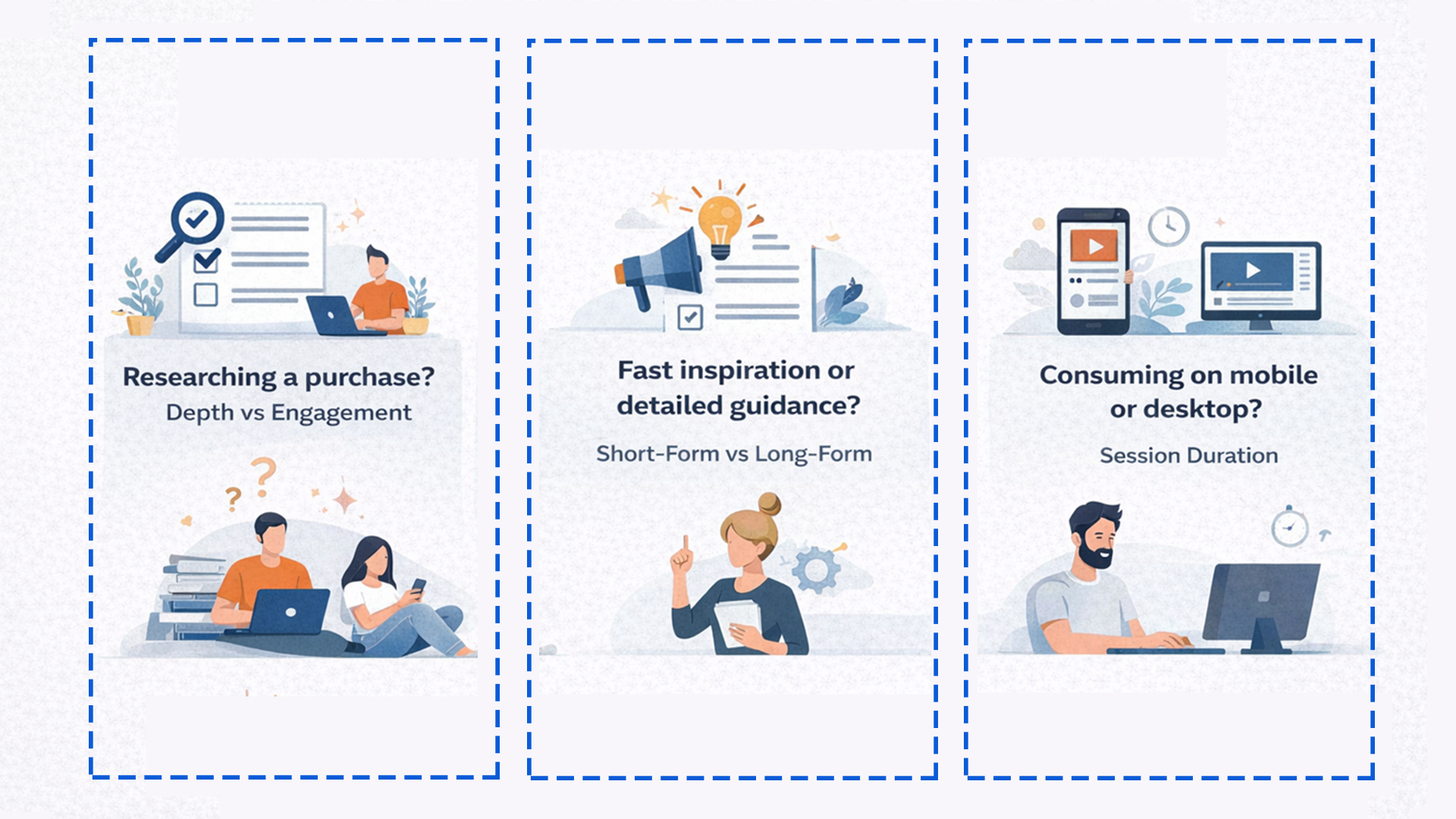
Before choosing video length or format, it’s important to slow down and ask a few critical questions that shape every successful strategy:
- Are they researching a purchase or casually browsing?
Audiences who are actively researching want clarity, proof, and detail. They’re willing to invest time in long-form videos that explain features, benefits, and use cases. Casual browsers, however, prefer quick, engaging clips that spark interest without demanding much attention. - Do they want fast inspiration or detailed guidance?
Short-form video works best when the goal is awareness, motivation, or a quick takeaway. Long-form video becomes essential when viewers need structured guidance, deeper explanations, and confidence before making decisions. - Are they consuming content on mobile or desktop?
Mobile-first users typically favor short videos designed for fast scrolling and quick consumption. Desktop viewers, especially on platforms like YouTube, are more open to longer sessions and in-depth content.
Audience type also plays a major role in shaping video strategy. B2B decision-makers usually value webinars, reports, case studies, and long-form explainers that help them evaluate solutions thoroughly. Startup founders and growth teams, on the other hand, often prefer educational long-form videos supported by short highlight clips they can quickly scan and revisit.
The key takeaway is simple: your video length and format should always align with audience intent and business goals—not just what algorithms are currently rewarding. When you truly understand your audience, your brand growth content strategy becomes clearer, more focused, and far more effective.
Content Repurposing: The Smart Way to Scale Your Brand Growth Content Strategy
One of the biggest advantages of long-form video is efficiency. Instead of constantly creating new content from scratch for every platform, brands can build a smarter and more sustainable brand growth content strategy by starting with one strong, high-quality long-form asset and extending its value across multiple channels. This approach reduces creative fatigue, maintains message consistency, and allows teams to focus on quality over quantity.
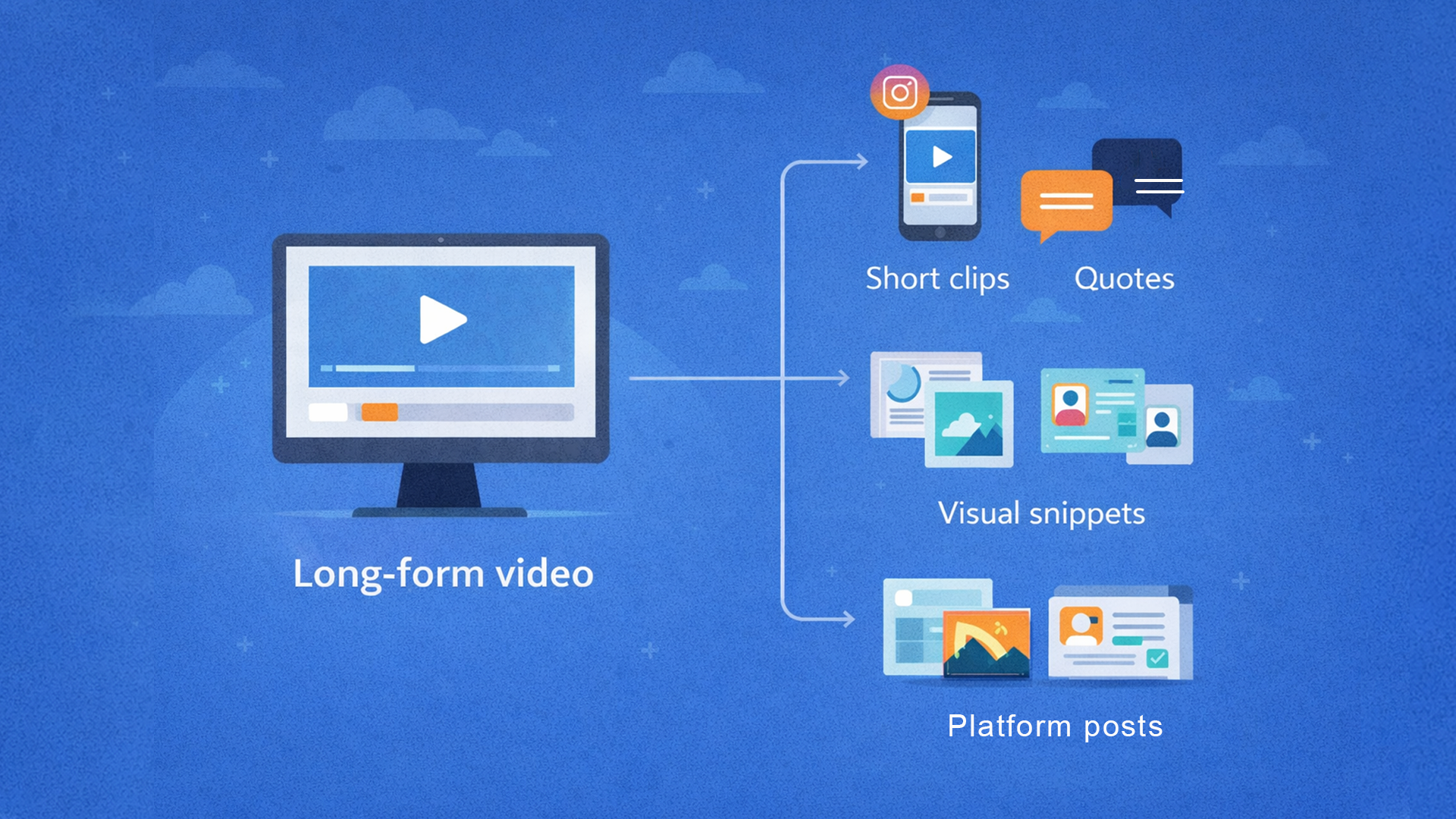
A single long-form video—such as a webinar, in-depth guide, or explainer—can become the foundation of your entire content system. When planned correctly, this core asset captures your key ideas, messaging, and expertise in one place. From that core piece, you can:
- Produce one strong long-form asset that clearly explains your message and showcases expertise
- Repurpose it into short video clips for Instagram Reels, TikTok, and YouTube Shorts
- Turn key quotes or insights into social videos and visual snippets
- Adapt highlights for different platforms, formats, and audience behaviors
This repurposing model is widely used by the best explainer video companies because it maximizes reach while saving time, effort, and production costs. Instead of spreading resources thin, brands concentrate on one high-impact piece and let it work harder across platforms. When done right, a single well-planned long-form video can easily fuel weeks of short-form content—keeping your brand consistently visible, relevant, and engaging without overwhelming your team or budget.
Content without measurement is just noise. If you’re not tracking performance, you’re guessing—and guessing doesn’t scale. To build a strong brand growth content strategy, you need to measure short-form and long-form videos differently, because they serve different purposes in the funnel.
Short-form video metrics help you understand visibility and attention:
- Views → How many people your content is reaching
- Engagement rate → Likes, comments, and interactions that show interest
- Shares and saves → Signals that your content resonates enough to be passed along
These metrics tell you what grabs attention and what works at the discovery stage.
Long-form video metrics focus on depth and impact:
- Watch time → How engaged viewers are with your content
- Time on page → How long users stay with your brand
- Lead conversions → Whether content drives sign-ups, inquiries, or sales
These metrics reveal what builds trust and drives action. By analyzing both sets together, you can refine messaging, improve ROI, and continuously optimize your brand growth content strategy for long-term success.